
- Published on
The 30-Day Mindfulness Challenge: Pause Before Reacting
Have you ever found yourself saying something you immediately regretted, or firing off a reactive text message during a moment of high stress? We have all been there. You feel the heat rise in your chest, the words tumble out, and then—the silence afterward—the realization that you wish you had taken just a second to breathe.
That space between an event and your reaction is where your power lies. Most of us live our lives on autopilot, responding to triggers with deeply ingrained habits. If someone cuts you off in traffic, you honk. If you receive an impatient email, you snap back. These aren't conscious choices; they are knee-jerk reactions. But what if you could widen that gap? What if you could turn that split-second impulse into a deliberate choice?
That is the essence of a 30-day mindfulness challenge focused on the art of the pause. It is not about becoming a monk or erasing your emotions; it is about building the mental muscle to choose your response rather than being a puppet to your impulses.

Why the Pause Matters
Psychology tells us that our brains are wired for survival, not necessarily for modern-day social harmony. When we perceive a threat—whether it is a bear in the woods or an aggressive tone from a coworker—our amygdala, the brain’s "alarm system," takes the wheel. This triggers a fight-or-flight response, effectively shutting down the prefrontal cortex, the part of the brain responsible for logical reasoning and emotional regulation.
When you react instantly, you are letting your alarm system run the show. By intentionally pausing, you allow the prefrontal cortex to come back online. You are essentially giving your brain a cooling-off period. Research suggests that mindfulness practices can physically strengthen the neural connections associated with emotional regulation. Over time, that "gap" between trigger and response starts to feel wider, giving you more room to breathe.
If you are struggling with chronic stress or feelings of being overwhelmed, please reach out to a professional or a trusted person in your life. This practice is a tool for self-awareness, not a replacement for professional care.
Designing Your 30-Day Practice
Consistency is the secret ingredient here. You aren't aiming for perfection; you are aiming for observation. For the next 30 days, your goal is to notice when you are about to react and choose to pause instead. Here is how you can structure your challenge.
The First Week: Observation
For the first seven days, do not try to change your behavior yet. Just notice. Pay attention to how many times a day you feel the urge to react—a sigh when the internet is slow, a grimace when you see a notification, or a sharp tone when someone interrupts you. Simply labeling these moments as "triggers" is a powerful form of mindfulness. Many people find that using a simple habit tracker or a journal to note these moments helps them realize just how often they are operating on autopilot.
The Second Week: The Three-Breath Rule
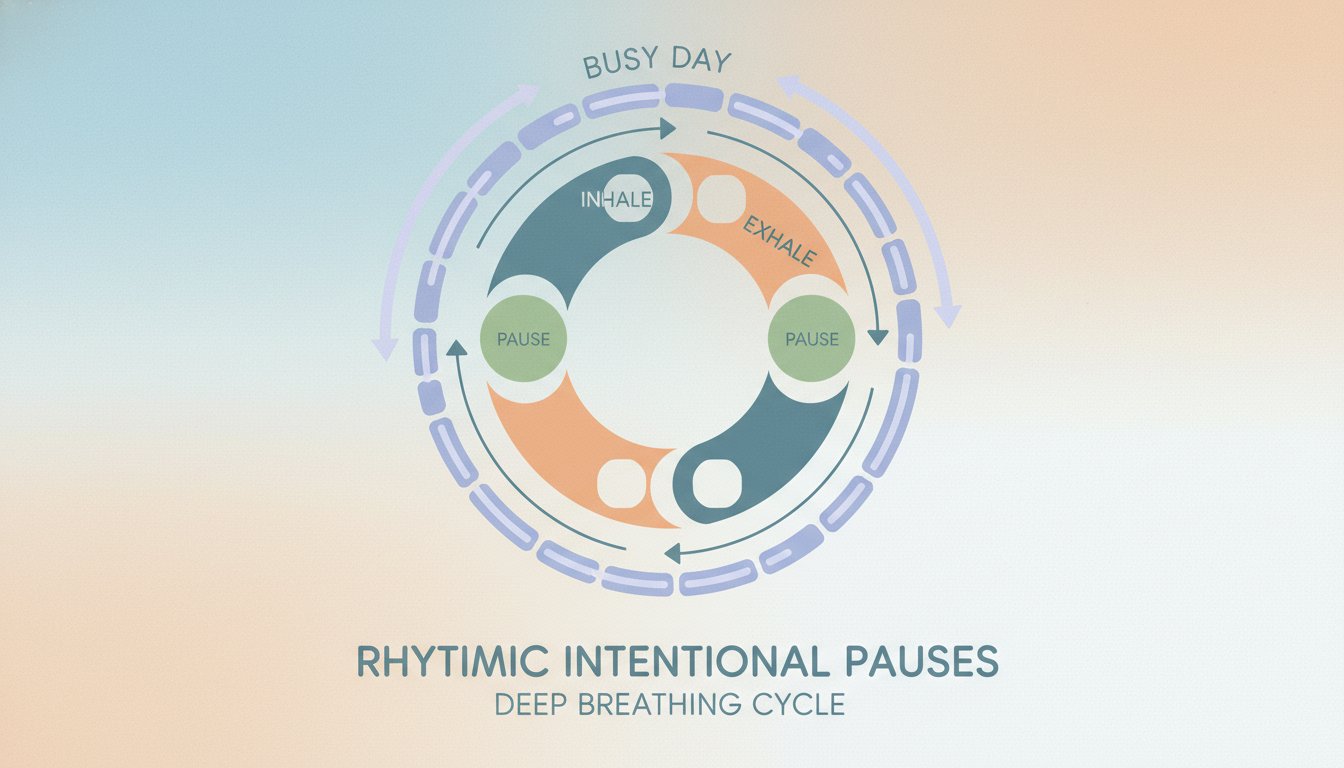
Now, introduce the physical pause. Whenever you feel that familiar rise of irritation, commit to taking three deep, slow breaths before you speak or act. This isn't just about oxygen; it is about using the body to calm the mind. If you are in a digital interaction, close your eyes for five seconds. If you are in a conversation, take a sip of water. These small physical anchors force your nervous system to downshift.
The Third Week: Curiosity Over Judgment
In the third week, start asking yourself a question during the pause: "What am I feeling right now?" Often, we react because we are actually feeling something else—tired, hungry, insecure, or overwhelmed. By identifying the underlying emotion, you strip the trigger of its power. You aren't angry at the person who moved your coffee mug; you are actually stressed about your deadline. Recognizing this changes your entire response.
Making It Stick
The biggest hurdle in any 30-day challenge is forgetting to do it. Life gets busy, and the habit of reactivity is strong. To combat this, you need external reminders.
Some people find success in using visual cues—like a small dot on their watch or a specific color in their environment—that act as a "pause" button throughout the day. Tracking your progress can also be a game-changer. When you see a streak of days where you managed to pause before reacting, it reinforces the identity you are building: the person who thinks before they act. Using a habit-tracking app or a simple calendar to mark each day you successfully practiced the pause can provide the visual motivation needed to keep going when things get difficult.
If you break your streak, don't worry. A single reactive moment does not undo the progress you have made. The goal is not to be a perfect, calm robot; the goal is to get better at noticing when you have drifted and to return to the practice as quickly as possible.
Beyond the 30 Days
By day 30, you will likely notice that the world feels a little less chaotic. You are no longer constantly putting out emotional fires. You have developed the ability to witness your own triggers rather than being consumed by them. This is a profound shift in how you interact with your family, your colleagues, and, most importantly, yourself.
Remember, mindfulness is not a destination; it is a way of traveling. You don't "finish" mindfulness after 30 days. You simply build a foundation that makes the rest of your life more deliberate and less reactive.
Key Takeaways
- The Power of the Gap: The space between a trigger and your response is where your character is defined. Stretching that gap allows you to act with intention rather than impulse.
- Physical Anchors: Use deep breathing or physical movement to signal your nervous system to calm down, giving your logical brain time to catch up.
- Identify the Underlying Feeling: Often, we react to surface-level triggers because we are actually struggling with deeper stressors like fatigue or insecurity.
- Track Your Progress: Seeing your streak grow can be incredibly motivating. Using a tracker to log your daily "pauses" helps turn this experiment into a sustainable lifestyle change.
- Embrace Imperfection: If you react without pausing, don't quit. Acknowledge it, learn from the trigger, and start again the next time. Your consistency over time is what creates lasting change.
Build Better Habits — Track Your Streaks
Set goals, build streaks, and transform your life one habit at a time.