
- Published on
The 21-Day Decluttering Challenge: Simplify Your Life
You look around your living room and feel a subtle, persistent weight. It isn’t a single pile of laundry or one forgotten coffee mug; it is the collective hum of "stuff" that has accumulated over months or years. You have probably noticed that when your physical space feels chaotic, your mind feels just as crowded.
Research in environmental psychology suggests that our brains crave order. When we are surrounded by visual clutter, our sensory system is constantly processing unnecessary information. This creates a low-level, background stress that drains your cognitive resources. Simplifying your environment isn't just about aesthetics; it is a fundamental act of self-care that clears the path for better focus and lower anxiety.
Why 21 Days Is the Perfect Window
The idea of tackling your entire home in a weekend is a recipe for burnout. Most people start with high energy, organize a single drawer, and then lose momentum by Sunday afternoon. A 21-day approach works differently because it relies on the principle of progressive habit building.
By committing to a small, manageable task for three weeks, you are not just clearing shelves; you are building the "decluttering muscle." This timeframe allows you to see significant progress without feeling overwhelmed. Think of it as a reset for your home and your nervous system. When you track these small daily wins, the momentum often turns into a genuine change in how you maintain your space long-term.
The Psychology of Letting Go
Why is it so hard to get rid of a broken toaster or a stack of magazines from 2019? We often attach our identity to our possessions. We tell ourselves, "I might need this someday," or "This represents a time when I was more creative." This is known as the "endowment effect," where we value items more simply because we own them.
To break this cycle, shift your perspective from what you are losing to what you are gaining. Every item you remove creates a vacuum that allows new energy, clarity, or even just space to breathe. When you view decluttering as a way to prioritize your future self rather than holding onto your past, the process becomes much easier.
Your 21-Day Roadmap
The secret to success is keeping the daily tasks small enough that you cannot say no to them. You don't need hours; you need 15 minutes of dedicated, distraction-free time.
- Days 1–7: The Surface Reset. Focus only on flat surfaces—tables, desks, and countertops. Clear them completely. If it doesn't belong there, put it away or donate it.
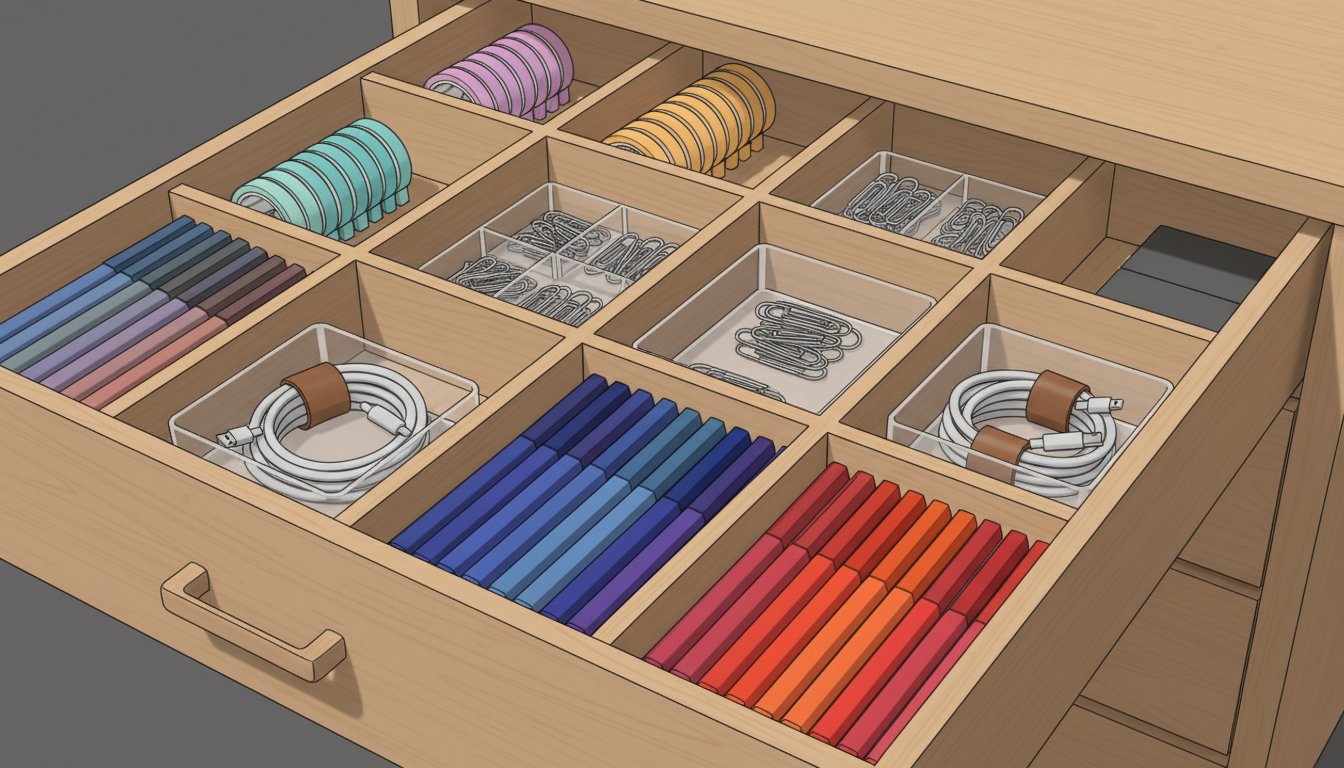
- Days 8–14: The Hidden Spaces. Move to the "out of sight" areas. Tackle one drawer or one shelf per day. If you haven't touched an item in a year, it is time to let it go.
- Days 15–21: The Digital and Sentimental Audit. Spend the final week clearing digital clutter—deleting old files, unsubscribing from emails—and curating your sentimental items. Keep only what genuinely sparks joy or serves a purpose.

Overcoming the "Maybe" Trap
We all have that "maybe" box. You know the one—it’s filled with items you don't use but feel guilty throwing away. During this challenge, try a new rule: if you haven't used it in the last six months and it doesn't hold significant emotional value, it has to leave the house.
If you still feel hesitant, try a "quarantine" method. Place the items in a box and store them in a closet. If you haven't opened the box after 30 days, you likely won't miss the contents. This takes the pressure off the decision-making process and allows you to test what you actually need in your daily life.
Maintaining the Flow
Once the 21 days are over, the real challenge begins: keeping the clutter away. The key is to implement a "one-in, one-out" policy. For every new item you bring into your home, another must be donated or discarded. This simple rule prevents the slow creep of accumulation that leads to stress.
Tracking your progress throughout this journey can be incredibly motivating. Many people find that using a simple visual tracker—like marking an 'X' on a calendar or using digital habit tracking apps—makes the goal feel tangible. Seeing that 21-day streak grow reminds you that you are capable of curating your environment. It turns a chore into a milestone of personal discipline.
If you find that the clutter is tied to deeper issues regarding hoarding or extreme anxiety, please remember that you don't have to navigate it alone. If you're struggling, please reach out to a professional or a trusted person in your life. There is no shame in asking for help to regain control of your space.
Key Takeaways
- Clutter is a cognitive drain. Your environment directly impacts your stress levels, so clearing your space is an essential step toward clearing your mind.
- Consistency beats intensity. Breaking the process into 21 small, daily tasks prevents burnout and builds the habit of maintenance.
- Shift your focus. Stop thinking about what you are losing and start focusing on the mental clarity and peace you are gaining.
- Track for momentum. Using tools to monitor your daily streaks can make the process feel rewarding and keep you motivated until you cross the finish line.
You don't need a perfectly minimalist home to feel the benefits. You just need to create a space that supports the person you are becoming today. Start your 21-day journey tomorrow, and watch how your focus shifts once the excess is gone.
Build Better Habits — Track Your Streaks
Set goals, build streaks, and transform your life one habit at a time.