
- Published on
The 14-Day Declutter Challenge: Reset Your Mind
You walk into your living room after a long day, and instead of feeling a sense of calm, your eyes land on a pile of mail, a stack of unread magazines, and a random assortment of tech cables. You didn’t consciously decide to let these things pile up, but there they are—tiny, physical reminders of tasks left undone. It’s no wonder your mind feels just as cluttered as your coffee table.
We often think of decluttering as a chore for the sake of aesthetics. We want the clean, minimalist look we see in magazines. But there is a deeper, more profound reason to clear your space: the environment you live in is a direct reflection of your internal state. When your physical space is chaotic, your brain has to work harder to filter out visual noise. This leads to decision fatigue, increased stress, and a persistent, low-level feeling of restlessness.
If you’ve been feeling stuck or mentally foggy, you don’t need a massive life overhaul. You need a 14-day reset. By dedicating just a few minutes each day to clearing your physical environment, you aren’t just cleaning shelves; you are creating the mental bandwidth necessary to focus on the things that actually matter.
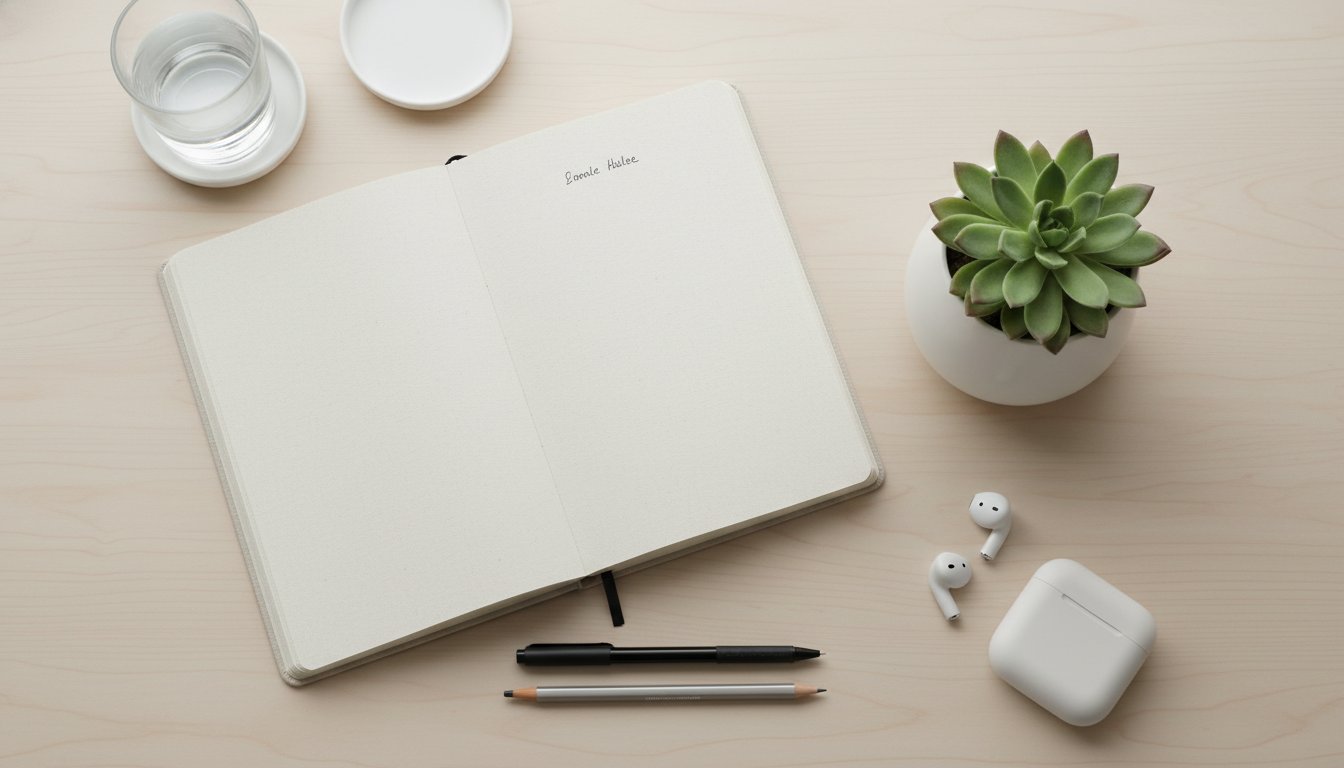
Why Your Environment Dictates Your Focus
Psychological research suggests that physical clutter competes for your attention. Every object in your line of sight is a potential distraction. When your brain is constantly processing the "to-do" list represented by that pile of laundry or the overflowing junk drawer, it has less capacity for deep work, creative problem-solving, or simple relaxation.
Think about how you feel in a hotel room. It’s clean, it’s sparse, and there is almost nothing out of place. Most people find it easier to breathe and sleep in that environment. You can recreate that feeling at home, not by moving into a new space, but by systematically removing the friction from your current one.
The 14-Day Declutter Strategy
This isn't about throwing away your entire life. It’s about intentional curation. Over the next two weeks, we are going to tackle one specific area each day. Small, consistent actions are the only way to build lasting change. If you try to do everything in one weekend, you will burn out. By breaking this into a 14-day challenge, you give your brain time to adjust to the new, lighter environment.
Days 1-3: High-Traffic Zones
Start where you spend the most time. For many, that’s the desk or the bedside table. Clear off the surfaces. If an item doesn't serve a purpose or bring genuine joy, remove it. Use a simple, physical tracker to mark off each day. Seeing your progress visually can be incredibly motivating when you’re tempted to just shove everything into a closet.
Days 4-7: Digital and Paper Clutter
Clear your desktop of unnecessary files. Sort through that pile of paper mail you’ve been ignoring. Shred what is old, file what is necessary, and recycle the rest. Digital clutter is a silent stressor; an inbox with thousands of unread emails is a weight you carry every time you open your laptop.
Days 8-11: The Hidden Storage
Move to the "out of sight" areas: your junk drawers, the closet floor, and under the bed. We often hoard things here because we think we might need them "one day." If you haven't touched it in six months, you likely won't need it. Letting go of these items can feel surprisingly liberating.
Days 12-14: The Final Polish
Finish with the areas that act as "catch-alls," like the kitchen counter or the entryway. These are the first things you see when you start your day and the last things you see before you sleep. A clear entry point sets a calm tone for your entire home.
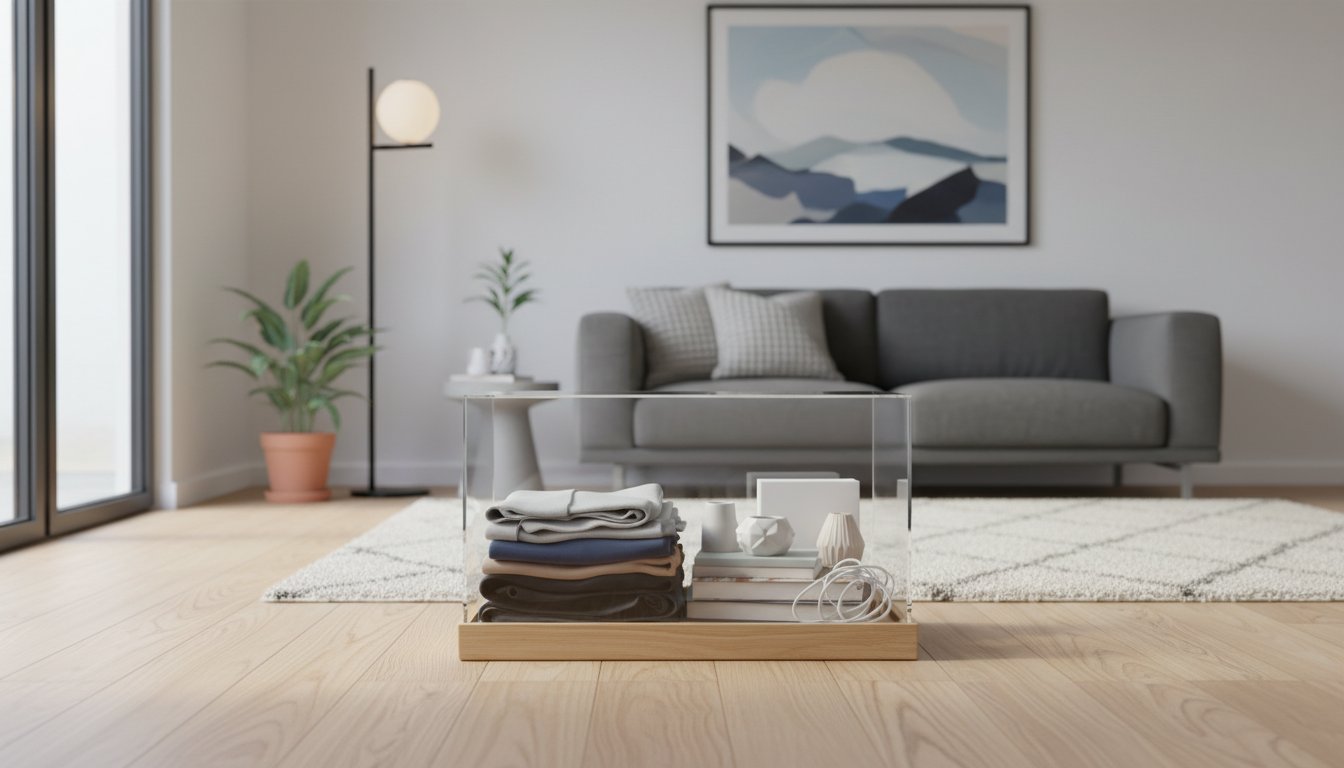
Turning Decluttering Into a Habit
Once you’ve finished the 14-day challenge, the real work begins: maintenance. The goal isn’t to reach a state of perfection; it’s to build a routine that prevents the mess from returning.
Try implementing the "one-in, one-out" rule. For every new item you bring into your home, remove one old item. It’s a simple, sustainable way to keep your space balanced. Using a streak tracker to hold yourself accountable for a daily 5-minute "reset" can make all the difference. When you see that you have kept your space clear for 20 or 30 days straight, you’ll be much less likely to let that pile of mail accumulate again.
Remember, your environment is a tool. It should serve you, not demand your attention. If you find yourself struggling to maintain your space because you feel overwhelmed by the sheer volume of things, please be kind to yourself. If you’re struggling with deeper feelings of being overwhelmed or stuck in patterns that feel impossible to break, please reach out to a professional or a trusted person in your life. Decluttering is a great start, but sometimes we need extra support to clear the internal fog.
Staying Consistent Beyond the Challenge
The magic of a 14-day challenge is the momentum it creates. By the time you reach day 14, you’ve proven to yourself that you are the type of person who can take control of their surroundings. You don’t need to be perfect; you just need to be consistent.
If you miss a day, don't worry. Just pick it back up the next morning. Using a visual reminder or a simple habit tracker can help you keep your eyes on the finish line. A countdown to the end of the challenge can also make the process feel like an exciting project rather than a never-ending chore.
Key Takeaways
- Physical clutter is mental noise. When you clear your surfaces, you effectively lower your brain’s cognitive load, making it easier to focus and relax.
- Small, daily actions beat massive weekend purges. By committing to 14 days of small, manageable tasks, you ensure the change is sustainable rather than overwhelming.
- Maintenance is a lifestyle, not a destination. Use simple rules like "one-in, one-out" to keep your space from regressing into chaos.
- Track your progress. Using a simple habit tracker or a countdown to your goal can provide the external motivation needed to stay the course. Small, consistent progress is what builds a lasting, peaceful environment.
Build Better Habits — Track Your Streaks
Set goals, build streaks, and transform your life one habit at a time.