
- Published on
The 100-Day No-Complaint Challenge: Rewire Your Mindset
You have probably noticed how easy it is to slip into a rhythm of venting. Whether it is complaining about the morning commute, the weather, or a difficult colleague, these small, seemingly harmless outbursts can settle into your psyche like sediment. Before you know it, you are not just noticing problems; you are actively looking for them.
The 100-day no-complaint challenge is not about toxic positivity or ignoring the reality of difficult situations. It is a deliberate exercise in neuroplasticity. By choosing to pause before you speak, you force your brain to create new neural pathways, shifting your focus from what is wrong to what is within your power to change.
Why We Are Hardwired to Complain
Human beings have a biological predisposition toward negativity. From an evolutionary perspective, identifying threats was a survival mechanism. Focusing on the "broken" parts of your environment helped your ancestors stay alert and safe. Today, however, that same mechanism often manifests as constant, low-level grumbling that keeps your nervous system in a state of mild stress.
Research suggests that habitual complaining literally primes your brain for more of the same. Every time you voice a frustration, you reinforce that neural pathway, making it easier to complain the next time. Eventually, this becomes your default mode of interaction. Breaking this cycle requires more than just willpower; it requires a structured approach to awareness.
The Mechanics of the 100-Day Challenge
A 100-day timeframe is significant because it provides enough duration to move past the initial novelty and into the territory of identity change. You are not just trying to stop complaining for a week; you are trying to become a person who observes challenges rather than someone who internalizes them.
Start by defining what constitutes a "complaint" for your specific life. Is it venting about your workload? Is it passive-aggressive comments toward family? Or is it internal self-criticism? Once you have your definition, the goal is simple: if you catch yourself complaining, you reset your progress.
Many people find that using a visual tool—such as a simple tally or a digital tracker—helps them stay accountable. Seeing your streak of "complaint-free" days grow on a screen provides a tangible reward for your discipline. When you have a clear visual representation of your progress, you are much less likely to let a slip-up derail your entire journey.
Reframing Your Self-Talk
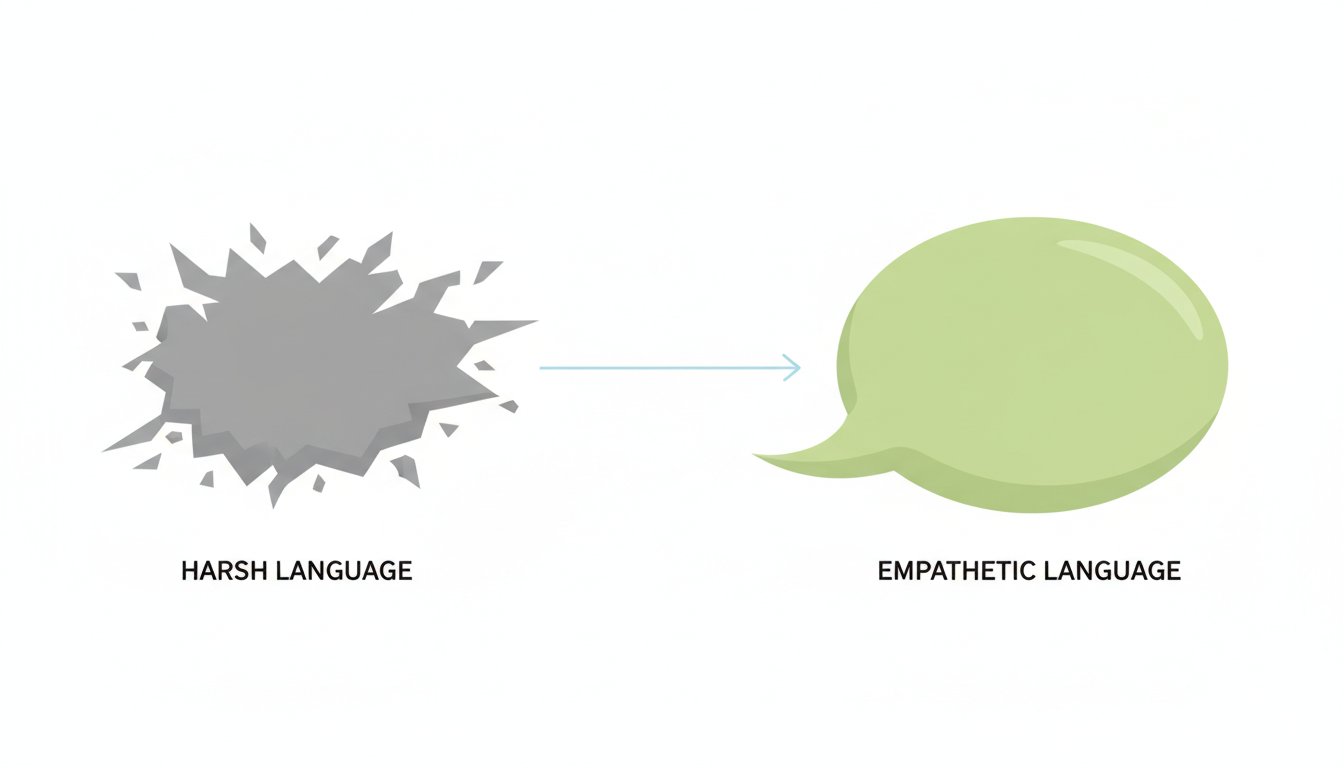
The most powerful part of this challenge happens in the quiet moments. When you feel the urge to complain, you are presented with a choice. You can either vent, which provides a momentary release of tension, or you can reframe the situation.
If you are frustrated by a project delay, for instance, the "complaint" version is: "This project is a disaster because nobody listens to me." The "reframed" version is: "This project is taking longer than expected. What is one step I can take to improve communication with the team today?"
This shift is subtle, but it is profound. It moves you from a passive victim of circumstance to an active problem-solver. Over 100 days, this practice will fundamentally alter your self-talk. You will find that you spend less time dwelling on the obstacle and more time identifying the path forward.

Tips to Navigate the 100-Day Journey
The first 20 days are often the hardest. You will realize just how often you use complaining as a social lubricant—a way to bond with others through shared irritation. When you stop complaining, you may feel as though you have less to talk about. This is a common hurdle. Use this as an opportunity to practice active listening or to introduce more interesting, positive topics into your conversations.
If you find yourself struggling, remember that you do not have to be perfect. If you slip up on day 45, you don't lose the growth you experienced in the previous 44 days. Acknowledge the slip, adjust your course, and keep moving forward. The goal is not a perfect record; the goal is a more resilient mind.
Tracking your "days since" your last complaint can be a powerful motivator during those middle-stretch slumps. When you hit day 60 or 70, the momentum begins to carry you. You will start to notice that your mood is more stable, your relationships feel lighter, and your stress levels have decreased.
When Life Gets Hard
It is important to clarify that this challenge is not about suppressing valid emotions or ignoring systemic issues. If you are in a situation that is harmful or requires professional support, please reach out to a professional or a trusted person in your life. You are not meant to navigate life’s heaviest burdens in silence.
This challenge is about the "background noise" of our lives—the daily habit of grumbling about things that we actually have the capacity to handle. By clearing out that noise, you gain the clarity to address the things that truly matter.
Key Takeaways
- Complaining is a habit: It reinforces negative neural pathways, but you can rewire your brain through consistent, conscious effort.
- Reframing is a skill: Replace the urge to vent with a focus on problem-solving. Ask yourself: "What is the next step I can take?"
- Track your progress: Using a tracker to monitor your streak can make your growth visible, keeping you motivated even when the challenge feels difficult.
- Consistency beats perfection: If you slip up, simply start again. Every day without a complaint adds to your mental resilience and long-term mindset shift.
Starting today, pay attention to the words you choose. You might be surprised at how much power you reclaim simply by changing the way you talk about your world.
Build Better Habits — Track Your Streaks
Set goals, build streaks, and transform your life one habit at a time.