
- Published on
The 100-Day No-Phone Before Bed Challenge
You lie in bed, the blue light of your screen illuminating the dark room. You tell yourself it’s just one more scroll, one more video, one more notification to check. Before you know it, an hour has evaporated, your eyes are strained, and your brain is buzzing with information it doesn't need at midnight. We have all been there, trading our restorative rest for a hit of digital dopamine.
The problem isn't necessarily the phone itself; it is the habit loop we have created. Our brains have been conditioned to expect stimulation right until the moment we close our eyes. This creates a state of physiological arousal that makes falling asleep—and staying asleep—significantly harder. If you are tired of waking up feeling like you never slept at all, it is time to consider a radical change. A 100-day challenge to keep your phone out of the bedroom before sleep might be the most important adjustment you make this year.
Why 100 Days?
Psychologists often talk about habit formation in terms of weeks, but deep behavioral change requires a longer timeline. By committing to 100 days, you move past the "novelty" phase where you are simply white-knuckling your way through the night. You reach a point of identity shift. You are no longer someone "trying" to avoid their phone; you are someone who values their sleep hygiene enough to protect it.
Research consistently shows that blue light exposure in the evening suppresses melatonin, the hormone responsible for signaling to your body that it is time to rest. Beyond the biology, the psychological impact of constant connectivity is profound. When you bring your phone to bed, you are bringing the stress of your emails, the drama of social media, and the weight of the world into your sanctuary.
The Mechanics of the Challenge
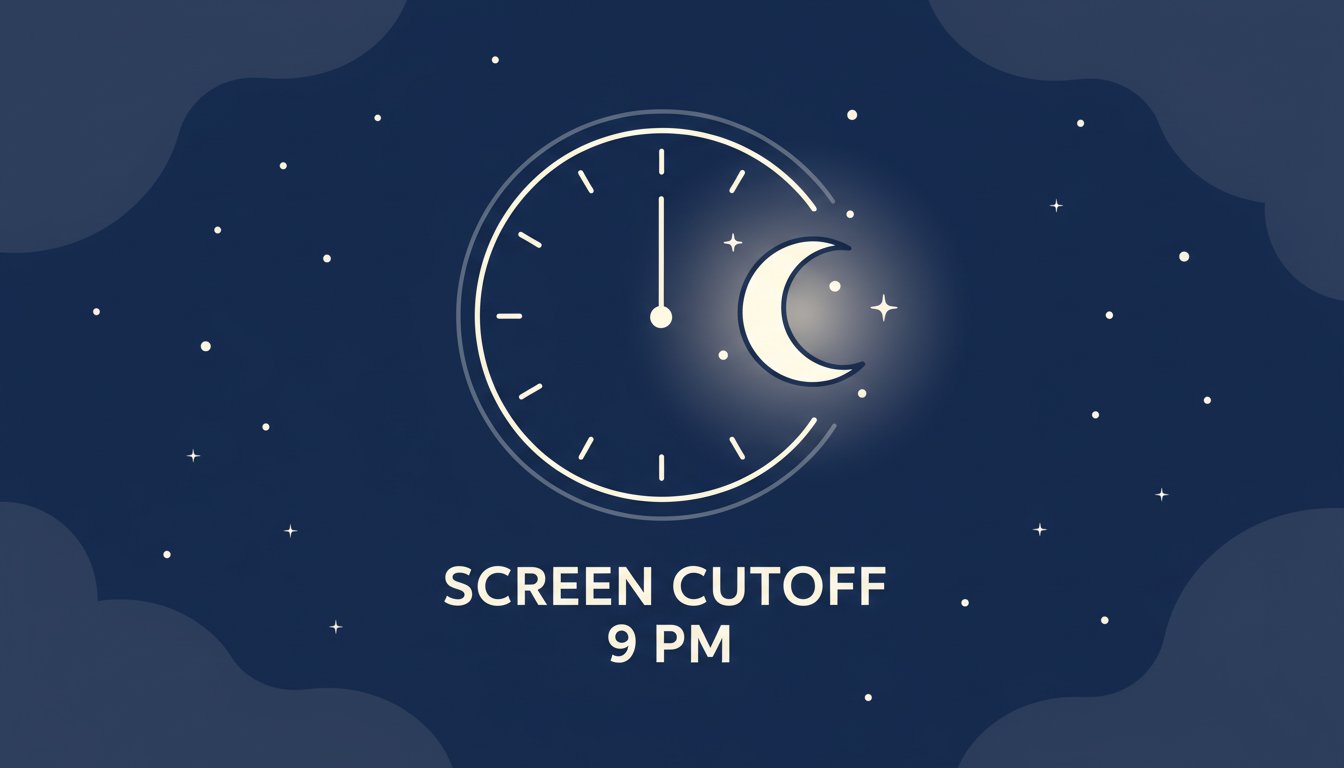
To succeed in this 100-day experiment, you need more than just willpower. You need a system. The goal is to establish a "digital sunset." This means setting a specific time—perhaps 60 minutes before you intend to sleep—when your phone is placed in a charger in another room.
Step 1: Create a Physical Barrier
If the phone is within reach, you will reach for it. It is that simple. Move your charging station to the kitchen or a hallway. If you use your phone as an alarm clock, buy a cheap, simple analog clock. Removing the temptation is the most effective way to ensure success.
Step 2: Replace the Habit
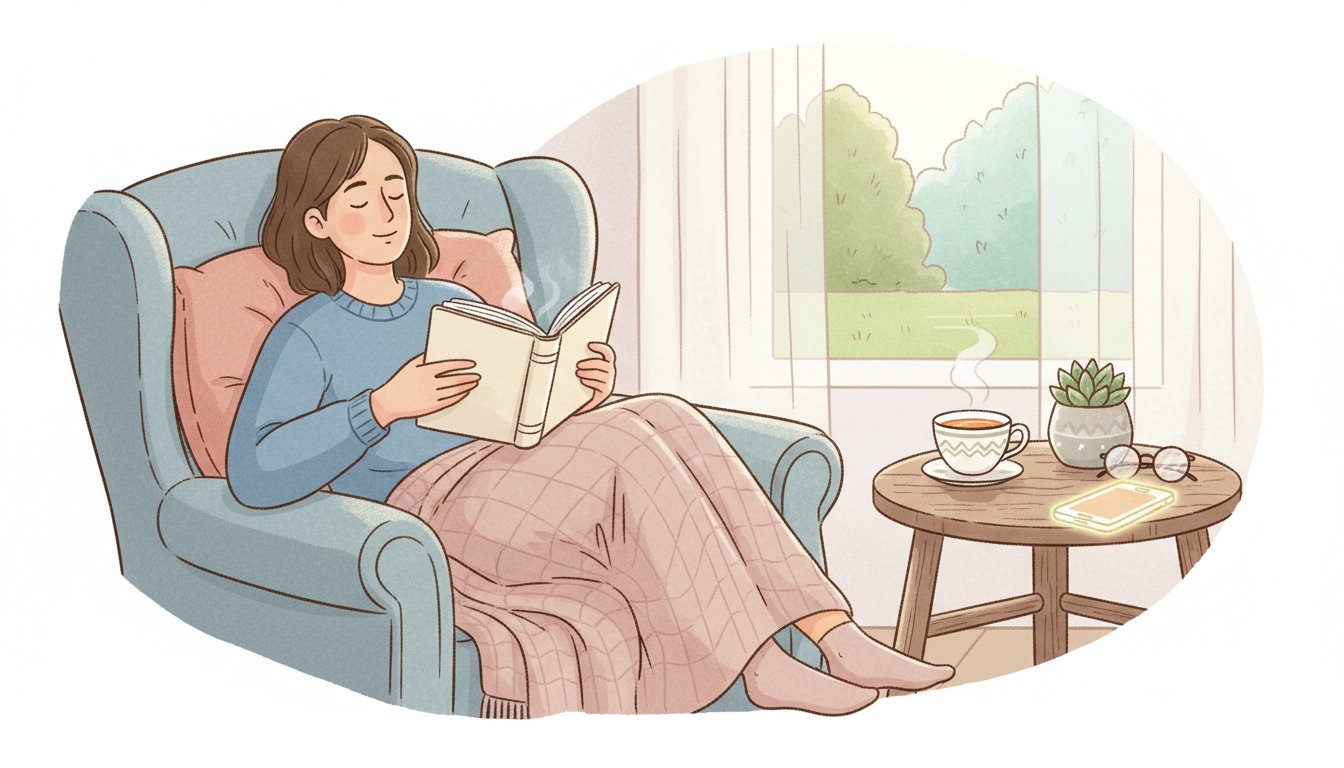
The hardest part of quitting a nightly scroll is the boredom that follows. If you don't have something to replace the phone with, your brain will crave the stimulation. Keep a book, a journal, or even a simple crossword puzzle on your nightstand. Give your mind a task that is calming rather than stimulating.
Step 3: Track Your Progress
You cannot improve what you do not measure. Using a simple habit tracking app or a physical calendar to mark off each night you successfully go phone-free can provide a massive psychological boost. Seeing a growing streak of successful nights creates a "don't break the chain" mentality. It turns a boring nightly chore into a game you are winning.
The Turning Points of the 100 Days
The first 10 days are often the most difficult. You will feel a phantom vibration in your pocket. You will feel an itch to check if anyone liked your post or if there is breaking news. This is your brain experiencing withdrawal from a constant feedback loop. Acknowledge the feeling, breathe through it, and remember that this discomfort is a sign that the rewiring process has begun.
By day 30, you will likely notice a shift in your sleep quality. You might find that you fall asleep faster, or that you wake up with a clearer head. This is the moment where the "why" becomes clearer than the "what." You are trading temporary distraction for long-term health.
As you approach day 100, the activity will feel less like a challenge and more like a natural part of your evening routine. You may find that your anxiety levels decrease simply because you are no longer starting your next day by reading stressful information before you even drift off to sleep.
Staying Consistent When Life Gets in the Way
There will be nights where you slip up. Maybe you needed to check an urgent email, or you were traveling and the setup wasn't perfect. That is okay. Consistency is not about perfection; it is about the long-term trend. If you break your streak, do not let that turn into a week of bad habits. Get back to the plan the very next night.
Seeing your progress over time can be incredibly motivating. Many people find that using a countdown tool to visualize the end of the 100-day period helps them stay committed during the mid-game slump. When you can see that you are already 75 days in, you are much less likely to throw it all away for a late-night social media scroll.
If you find that your sleep issues persist or if you are feeling overwhelmed by your tech habits, please remember that your health is paramount. If you are struggling, please reach out to a professional or a trusted person in your life. Sometimes, we need a little extra support to make lasting changes.
Key Takeaways
- Create a Digital Sunset: Establish a firm time 60 minutes before bed to place your phone in a separate room. This removes the temptation and protects your sleep environment.
- Replace, Don’t Just Remove: You need a replacement activity to fill the void. Keep a book, journal, or light hobby items near your bed to satisfy your mind without the screen stimulation.
- Track Your Streak: Using a habit tracking app can help you visualize your progress. When you can see the days adding up, you are far more likely to stay committed to your new, healthier routine.
- Focus on the Long Game: Don't let a single slip-up discourage you. This is about changing your identity over 100 days, not being perfect every single night. Small, consistent progress is what builds lasting change.
Build Better Habits — Track Your Streaks
Set goals, build streaks, and transform your life one habit at a time.