
- Published on
The 100-Day Micro-Habit Challenge: Build New Identities
You have probably heard the advice to "just start small," but there is a massive difference between doing a push-up and becoming someone who values their physical health. The gap between those two states is exactly 100 days of consistent, microscopic action.
When you set a goal to change your life, you often focus on the finish line. You want the fitness, the organized home, or the calm mind. But the secret to real transformation isn't found in the outcome; it is found in the identity you build while you are busy showing up for yourself every single day. The 100-day micro-habit challenge is designed to bridge the gap between who you are today and who you want to become by turning small, repeatable actions into a new way of life.
Why 100 Days Is the Sweet Spot
Many people fail because they aim for a "lifestyle change" without a concrete structure. Our brains are wired for efficiency, which often means reverting to old, comfortable patterns. Science suggests that while habits form at different speeds depending on the complexity of the task, the "identity shift" requires a sustained period of reinforcement.
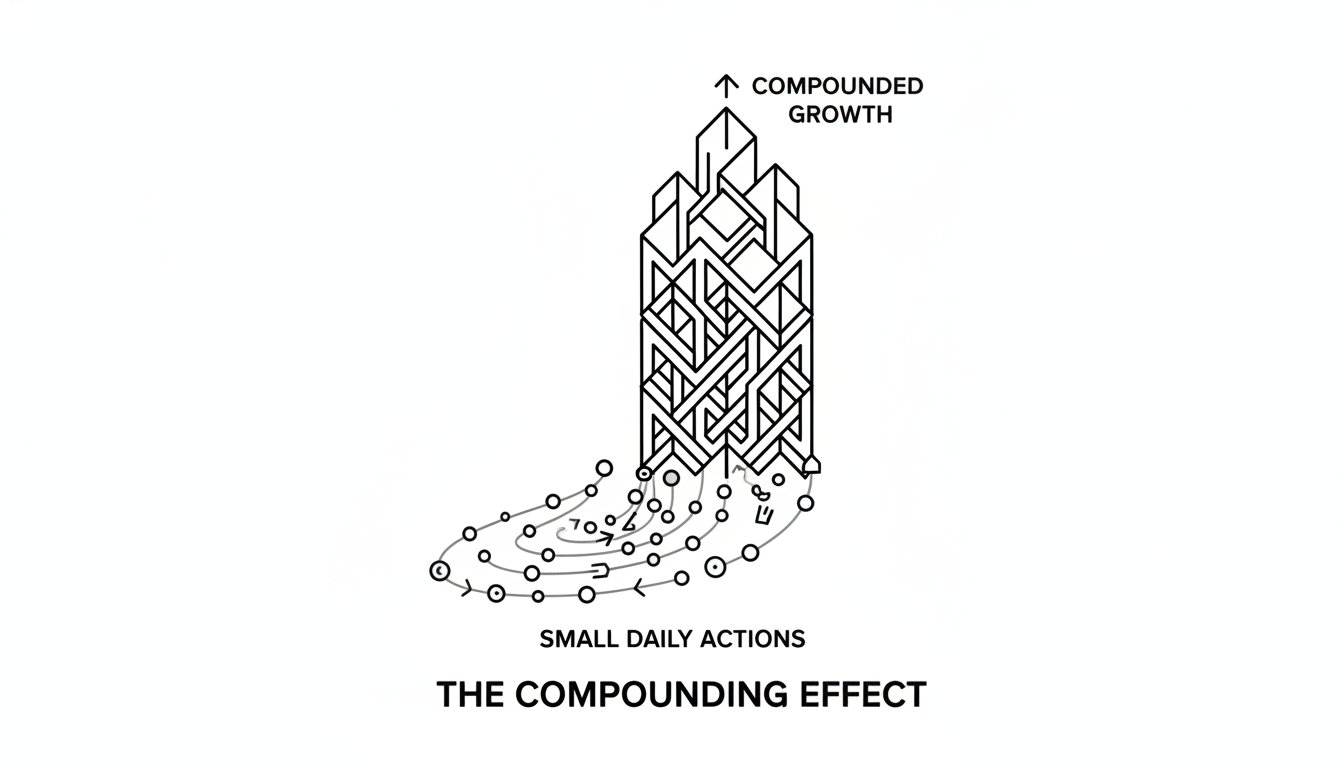
Think of it as a feedback loop. When you perform a tiny action—like writing one sentence in a journal or drinking a glass of water before your coffee—you aren't just completing a task. You are sending a signal to your brain that says, "I am the type of person who does this." If you do that for 10 days, it’s a novelty. If you do it for 100 days, it’s evidence. By the time you reach the triple-digit mark, the habit has moved from a conscious effort to a part of your self-concept. You no longer have to "try" to do it; you simply do it because it is who you are.
Designing Your Micro-Habit
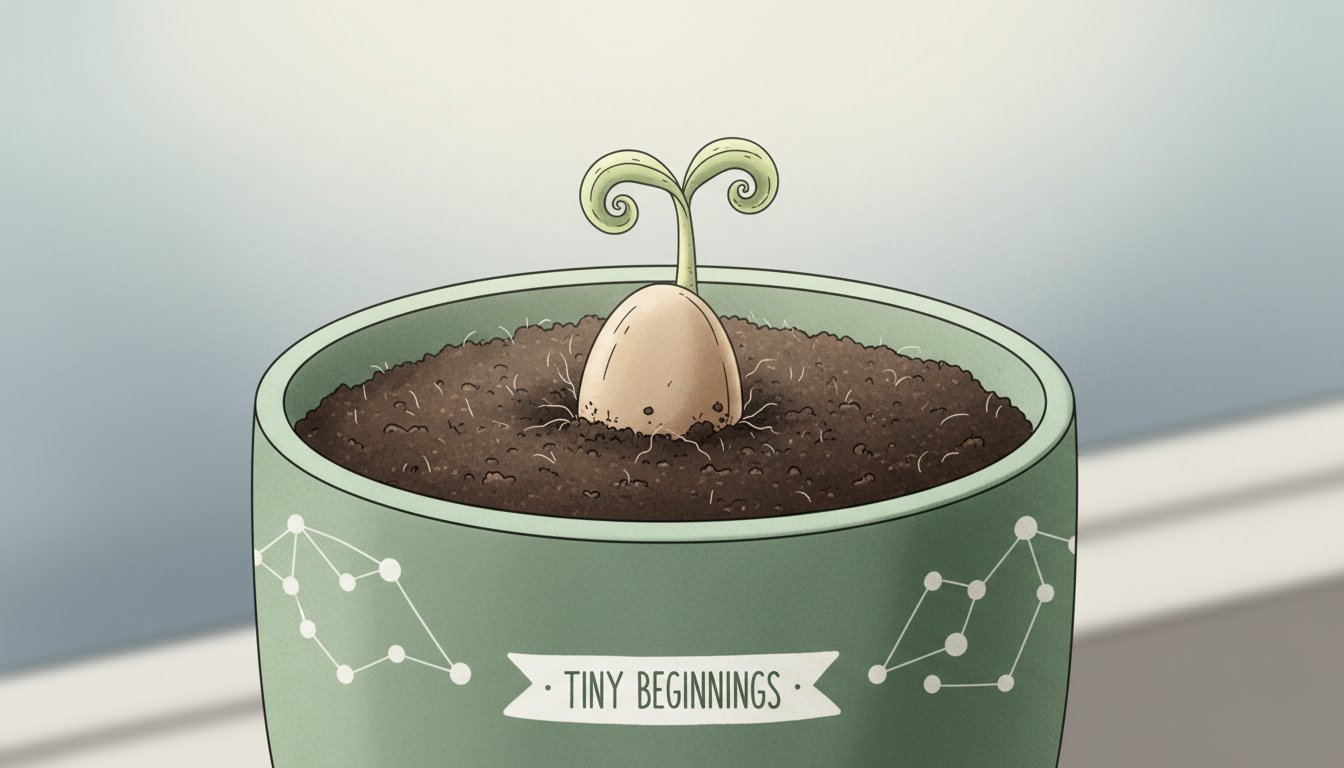
The biggest mistake most people make is starting with a habit that is too large. If your goal is to "get fit," you might commit to an hour at the gym. When you are tired or busy, that hour becomes a burden, and you quit. A micro-habit is different. It is an action so small it feels almost ridiculous to skip it.
To start your 100-day journey, pick one behavior that aligns with your ideal self. If you want to be a reader, your micro-habit is reading one page. If you want to be a meditator, it’s sitting in silence for 60 seconds. The goal is to lower the barrier to entry so low that even on your worst day, you can still succeed.
Here is how to structure your micro-habit:
- Make it specific: Instead of "I will work on my project," use "I will write 50 words."
- Attach it to an existing anchor: "After I pour my morning coffee, I will write 50 words."
- Keep it measurable: You need to know exactly when you have succeeded for the day.
Using Progress to Fuel Persistence
The real challenge of 100 days isn't the action itself; it is the consistency. This is where tracking becomes your most powerful tool. When you use a system to mark your progress—whether it is a simple calendar or one of the many digital habit tracking apps—you are creating a visual representation of your integrity.
Seeing a streak grow on your screen provides a hit of dopamine, but more importantly, it provides a "don't break the chain" effect. When you have successfully tracked 40 days in a row, the thought of missing day 41 becomes genuinely uncomfortable. You aren't just protecting a number; you are protecting the reputation you are building with yourself. If you ever feel like your motivation is waning, looking back at how far you have come can provide the perspective needed to keep going.
Overcoming the Mid-Challenge Slump
Around day 30, the initial excitement often fades. The habit stops feeling like a fun experiment and starts feeling like a chore. This is the "valley of disappointment" where most people abandon their goals.
The key to pushing through is to stop focusing on the difficulty of the task and start focusing on the identity you are claiming. If you feel like skipping your micro-habit, ask yourself: "What would the person I want to be do right now?" This shifts the focus from the labor of the action to the character you are cultivating.
Remember, if you find yourself struggling with deeper issues, such as severe anxiety or persistent patterns of self-sabotage that prevent you from maintaining basic routines, please reach out to a professional or a trusted person in your life. Growth is a process, and it is perfectly okay to seek support along the way.
Why 100 Days Changes Everything
By day 100, you will likely notice that your micro-habit has expanded. The person who commits to one page of reading often ends up reading five. The person who commits to one minute of exercise often ends up going for a 15-minute walk. The habit isn't the ceiling; it’s the floor.
Once you have mastered the art of showing up, you can apply this framework to anything. You’ll have proof that you are capable of long-term commitment. You will have a documented history of your own reliability. Most importantly, you will have shed the old identity that said you "can't" or "won't" and replaced it with a version of yourself that simply does.
Key Takeaways
- Identity over outcome: Focus on becoming the type of person who performs the habit, rather than obsessing over the results of the habit.
- Keep it tiny: A micro-habit should be so small that you can complete it even on your busiest or most stressful days.
- Track your progress: Using a tracking tool helps you visualize your journey and holds you accountable, making it much easier to stay consistent over the full 100 days.
- Embrace the plateau: When motivation dips around day 30 or 60, rely on your identity-based decision-making rather than your mood.
- Start today: The best time to begin your 100-day journey is right now. Tracking your progress can help you stay consistent and turn these small wins into a lasting identity shift.
Build Better Habits — Track Your Streaks
Set goals, build streaks, and transform your life one habit at a time.