
- Published on
The 100-Day No-News Challenge: Reduce Information Overload
You wake up, reach for your phone, and before your feet even touch the floor, you are bombarded with headlines about a global crisis, a political scandal, or a tragic event halfway across the world. You haven't even had your coffee, yet your brain is already processing a heavy, stressful, and often uncontrollable stream of data. If this feels familiar, you aren't alone. We live in an era of hyper-connectivity, where information is not just available; it is aggressive.
The weight of constant, negative news updates can create a background hum of anxiety that keeps us in a state of low-grade "fight or flight." When you consume high volumes of distressing information, your brain’s amygdala—the part responsible for processing fear and stress—stays activated. This leads to decision fatigue, irritability, and a feeling that the world is more dangerous than it actually is. Taking a break isn't about hiding from reality; it is about protecting your mental landscape so you can remain effective in your actual, immediate life.
The 100-Day No-News Challenge: A Reset for Your Mind
A 100-day period is long enough to break a deep-seated habit while simultaneously allowing you to witness the genuine transformation in your baseline stress levels. This challenge isn't about becoming ignorant or uninformed; it is about choosing to curate your information intake rather than letting an algorithm decide what you think about while you're eating breakfast.
During these 100 days, you aren't just cutting out noise; you are reclaiming the attention that was previously being sold to advertisers. When you remove the constant influx of global headlines, you often find that your focus improves, your sleep quality deepens, and your capacity to engage with the people in front of you increases. Many people find that tracking their progress through a habit-tracking app helps them visualize this shift, as seeing the number of days you have successfully navigated without the "news trap" provides a tangible sense of control.
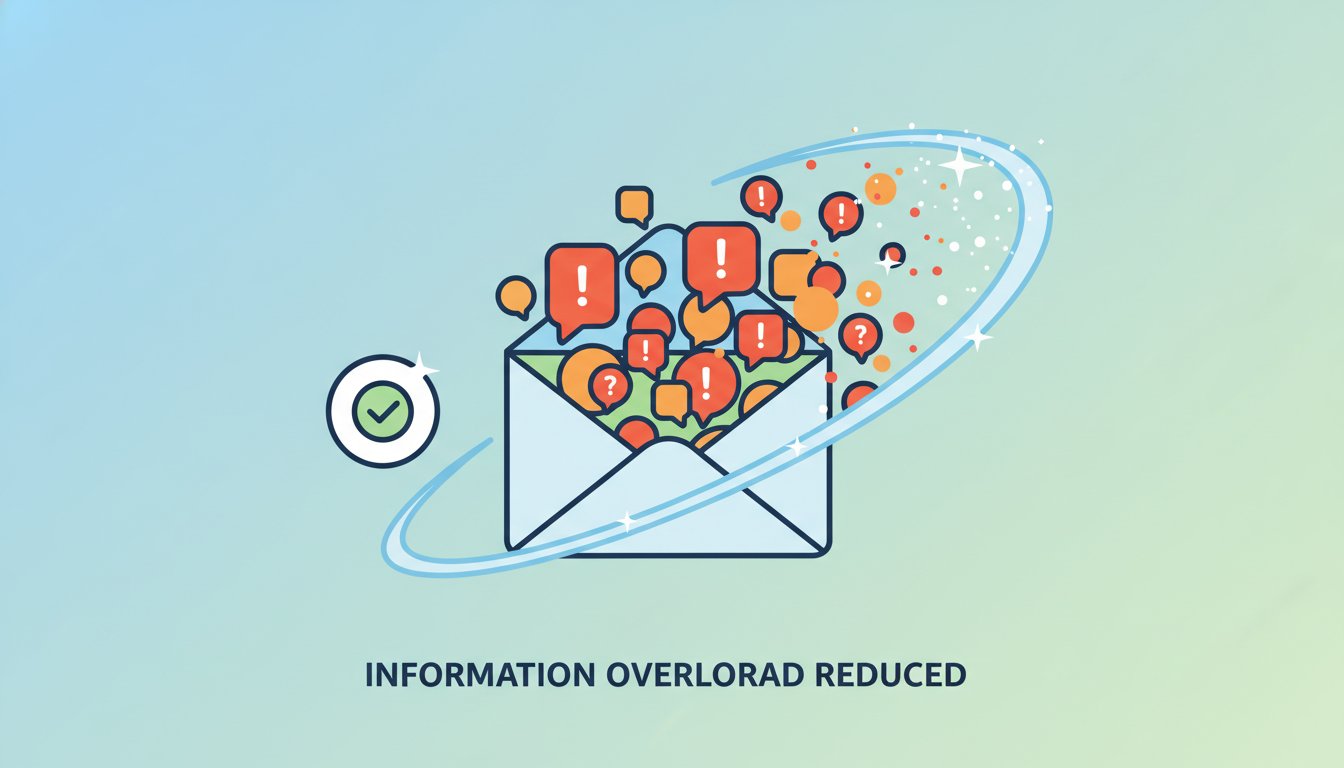
Why the Information Cycle Keeps You Stuck
Psychologically, humans are wired to pay attention to threats. In our ancestral past, knowing about a nearby predator was a matter of survival. Today, that same biological mechanism is being exploited by 24-hour news cycles and social media feeds. These platforms prioritize "high-arousal" content because it keeps you clicking, scrolling, and returning.
The problem is that our brains struggle to distinguish between a genuine, immediate threat to our physical safety and a distant, abstract news story about an economic trend or a political conflict. When you consume this content incessantly, you are effectively triggering a stress response for events you have zero ability to influence. Over time, this leads to a state of learned helplessness, where you feel constantly drained but unable to act. By opting out, you aren't choosing to ignore the world; you are choosing to prioritize your mental energy for things you can actually change.
How to Successfully Navigate the Challenge
To make it through 100 days, you need a plan that replaces the habit of doomscrolling with something more restorative.
First, define your boundaries. Decide what "no news" means for you. Does it mean no social media feeds, or just no traditional news outlets? Be specific so you don't find yourself accidentally falling into a rabbit hole. Second, prepare your environment. Remove news widgets from your home screen and silence push notifications from any app that delivers breaking news.
Third, fill the void. When you reach for your phone out of boredom, your brain will crave that quick hit of information. Have an alternative ready: a book, a dedicated hobby, or even just a few minutes of breathing. Seeing your streak grow day by day can be incredibly motivating here. It turns the process into a game of discipline where you are the winner every time you choose your peace over the noise.

Managing the Withdrawal and Finding Balance
You will likely notice a "withdrawal" phase during the first two weeks. You might feel "out of the loop" or anxious that you are missing something important. This is just your brain craving the dopamine loops it has been trained to expect. Remind yourself that if an event is truly earth-shattering or relevant to your immediate life, you will hear about it from your friends, family, or colleagues.
As you pass day 30, you will likely notice a shift. You might find you are less reactive during arguments, your patience increases, and you have more mental bandwidth to dedicate to your personal goals. If you have a major life milestone or a specific project you are working on, you can use a countdown tool to track the days remaining until a specific goal deadline, redirecting that energy you once spent on news toward your own growth.
Disclaimer: If you are struggling with chronic anxiety or feel overwhelmed by world events to a point where it interferes with your daily functioning, please reach out to a professional or a trusted person in your life.
Staying Consistent for the Long Haul
Consistency is built on the foundation of small, repeated decisions. You don't have to be perfect for all 100 days; you just have to return to your commitment if you slip up. If you find yourself checking a headline, don't view it as a failure. View it as data. Ask yourself: "What triggered me to check?" and then reset.
Tracking your progress is the best way to maintain this long-term habit. A visual representation of your journey—a simple streak or a countdown to the 100-day mark—reminds you of why you started in the first place. You are building a new identity: one that is thoughtful, present, and intentional.
Key Takeaways
- Curate your input: Constant exposure to high-arousal news keeps your brain in a state of unnecessary stress. Protecting your attention is a form of self-care.
- Replace the habit: When you cut out news, you must fill the gap with something positive, like reading or reflection, to avoid falling back into old patterns.
- Track your journey: Using a tool to monitor your streak or the countdown to your goal can provide the motivation needed to stay the course when the temptation to scroll hits.
- Focus on what you control: Your mental energy is finite. Directing it toward your personal growth and the people around you is more rewarding than worrying about distant, uncontrollable events.
Choosing to step back from the noise of the world is a powerful act of discipline. Every day you add to your streak, you are proving to yourself that you are the architect of your own focus.
Build Better Habits — Track Your Streaks
Set goals, build streaks, and transform your life one habit at a time.