
- Published on
The 100-Day No-Sugar-Added Challenge: A Nutrition Guide
You reach for your morning coffee, grab a pastry, and by 10:00 AM, you are already crashing. It is a cycle many of us know all too well. Sugar provides a momentary spike of energy, followed by an inevitable dip that leaves you feeling more tired than when you started. If you have been looking for a way to break free from the constant cravings and energy fluctuations, a 100-day no-sugar-added challenge might be the reset your body needs.
This is not about perfection or eliminating every trace of glucose, which is essential for human function. Instead, it is about removing the added sugars that hide in our processed foods—the ones that disrupt our hunger signals and keep us trapped in a loop of spikes and crashes. Committing to a 100-day window is long enough to fundamentally change your palate and your relationship with food, moving you toward a more stable, energized version of yourself.
Why 100 Days?
The brain is a creature of habit. When we consume high amounts of added sugar, we trigger dopamine pathways similar to those activated by addictive substances. This reinforces the "habit loop," where a cue (feeling stressed) leads to a routine (eating a sugary snack) and a reward (a temporary dopamine hit). Breaking this cycle takes time.
Research into neuroplasticity suggests that while you can begin to shift habits in a few weeks, deep-seated behavioral changes—the kind that make you reach for an apple instead of a candy bar without thinking—often require a longer period of consistent practice. By setting a 100-day goal, you move past the "detox" phase and into a period of genuine physiological and psychological adaptation. You are not just quitting; you are training your brain to stop expecting that artificial hit.
Navigating the First 30 Days
The first month is the most challenging. Your body has likely become accustomed to regular sugar influxes, and when you cut them off, you may experience mild withdrawal symptoms such as headaches, irritability, or intense cravings. This is entirely normal. Your body is recalibrating its insulin response and learning to rely on more stable fuel sources like complex carbohydrates, healthy fats, and proteins.
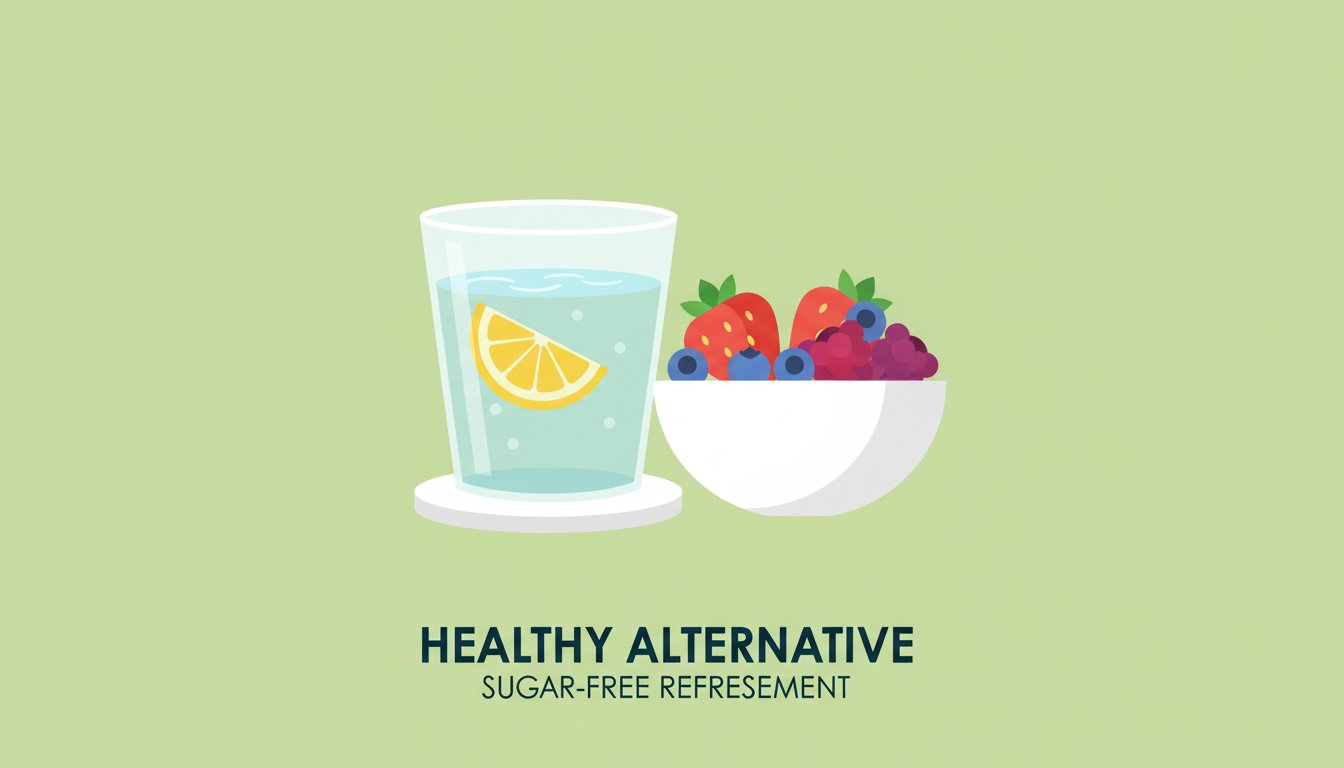
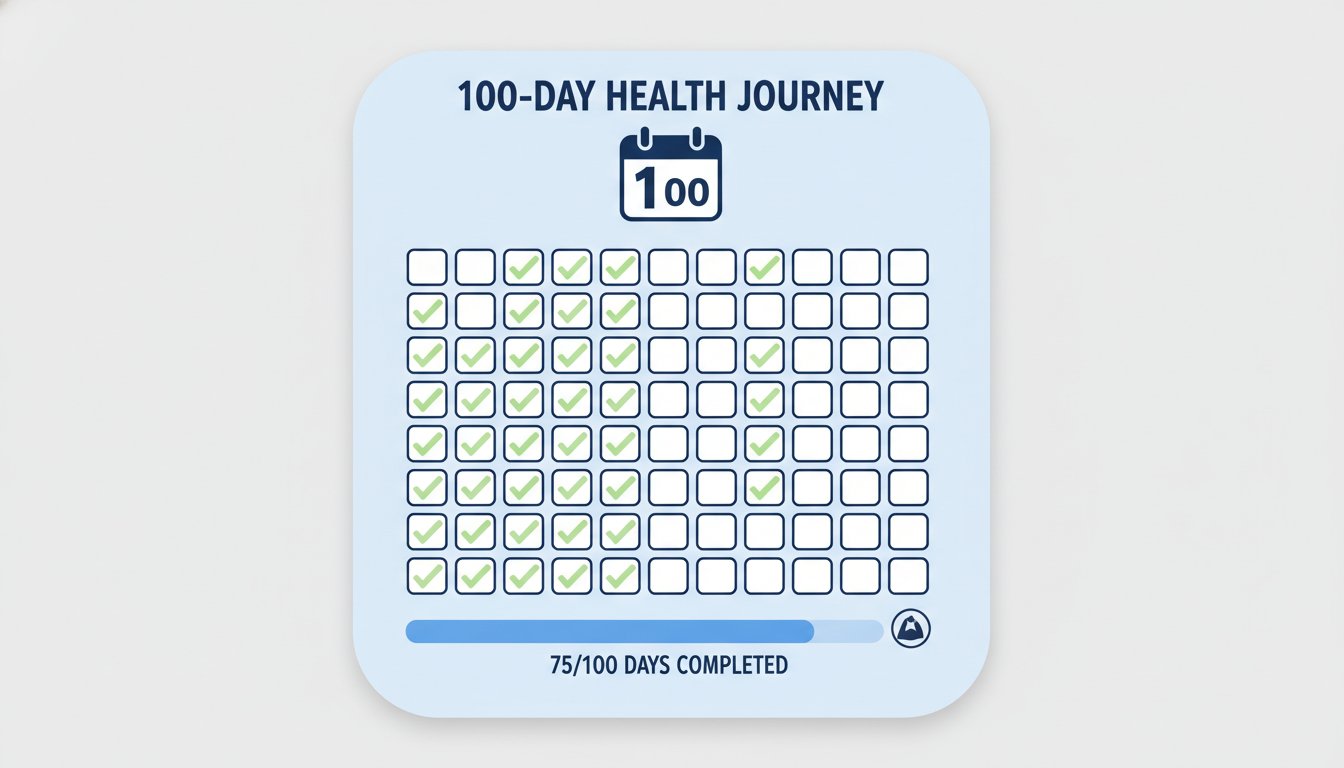
During these first few weeks, keep your environment simple. Clear your pantry of items with added sugars like high-fructose corn syrup, cane sugar, or agave. Focus on whole foods: leafy greens, lean meats, nuts, seeds, and low-glycemic fruits like berries. The goal here is stabilization. If you find yourself struggling, remember that tracking your progress can help you stay consistent. Seeing the number of days you have successfully navigated without added sugar can provide a powerful mental boost when the cravings feel overwhelming.
Days 31 to 100: Reclaiming Your Palate
Once you pass the initial hump, something fascinating happens. Your taste buds begin to change. Foods you once found bland, like raw carrots or plain yogurt, start to taste naturally sweet. You become more sensitive to the hidden sugars in processed foods, often finding them cloying or unappealing. This is the "reset" in action.
As you move deeper into the 100-day mark, focus on experimentation. Learn how to cook with herbs, spices, and natural aromatics like garlic, ginger, and cinnamon. These add depth and flavor without the need for sugar. This is also a great time to evaluate your energy levels. Are you sleeping better? Is your afternoon brain fog lifting? Many people find that by day 60, their baseline energy is significantly higher and more consistent than it was before they started.
Managing Social Pressure and Cravings
One of the biggest hurdles during any long-term challenge is the social element. We live in a world where sugar is the default celebration food. You will encounter birthdays, office parties, and family dinners where sugar is everywhere. The key is to prepare without being rigid.
If you are going out, check the menu beforehand or offer to bring a healthy, sugar-free dish to share. If you do slip up, do not view it as a failure. One mistake does not undo 60 days of progress. Instead, look at it as a piece of data. Why did you eat it? Were you hungry, tired, or just bored? Learning to identify your triggers is a vital part of the growth process. If you find yourself losing momentum, remember that small progress becomes visible when you track it daily; keep your streak alive by simply making the next meal a healthy one.
Preparing for Life After 100 Days
A 100-day challenge is a tool, not a life sentence. The ultimate goal is to reach a place where you can make mindful choices rather than impulsive ones. When the 100 days conclude, you should not feel the need to binge on everything you avoided. By then, your relationship with sugar should have shifted from "I can't have this" to "I choose not to have this because I prefer how I feel without it."
You will likely find that you still enjoy the occasional treat, but it will be a deliberate choice rather than a compulsive reaction. You will know exactly how your body reacts to sugar, and you will have the discipline to return to your baseline quickly.
Disclaimer: If you are struggling with disordered eating or have specific medical concerns regarding your nutrition, please reach out to a professional or a trusted person in your life.
Key Takeaways
- Understand the Dopamine Loop: Sugar triggers reward pathways in your brain; 100 days gives you enough time to weaken these associations and rewire your habits.
- Prioritize Whole Foods: By focusing on proteins, fats, and fiber, you stabilize your blood sugar levels and naturally reduce the physiological drive for cravings.
- Track for Consistency: Tracking your progress can help you stay consistent and provide visual evidence of your growth, making it easier to stick to your goal through the difficult early days.
- Focus on the Long Game: Don’t worry about perfection. If you have a lapse, acknowledge it, learn from the trigger, and get back on track immediately.
- Enjoy the Shift: Within a few weeks, your palate will change, and you will begin to appreciate the natural sweetness in whole foods, making the "no-sugar" lifestyle feel like a gain rather than a deprivation.
Build Better Habits — Track Your Streaks
Set goals, build streaks, and transform your life one habit at a time.