
- Published on
Quit Vaping: Using the Days Since Method to Break Free
You reach for it before you’re even fully awake. It’s on your nightstand, in your car cup holder, or tucked into your pocket like a second skin. For many, vaping isn't just a habit; it’s a background hum that accompanies every minute of the day. Because it doesn’t have the smell or the "end point" of a traditional cigarette, it’s easy for a vaping habit to become an all-day, every-day cycle that feels impossible to break.
If you’ve tried to quit before and failed, you know the frustration. The cravings hit, your brain starts making excuses, and within hours, you’re back at the vape shop. But there is a psychological shift that happens when you stop focusing on "never again" and start focusing on "how many days since." This is the power of the "Days Since" method. It transforms an abstract, daunting goal into a visible, growing streak of success.
The reality is that your brain has been wired to expect a hit of nicotine every time you feel stressed, bored, or even happy. Breaking that wiring takes more than just willpower; it takes a strategy that makes your progress feel real. When you can see the number of days since your last hit climbing from three to ten to thirty, the cost of giving in becomes much higher. You aren’t just quitting a habit; you’re protecting a record.
The Invisible Trap of Vaping
Vaping is uniquely difficult to quit because of its accessibility. You can vape in your living room, at your desk, or in your car without the immediate social friction that comes with smoking. This creates a "micro-habit" loop. Instead of having five or ten distinct smoking breaks a day, a person who vapes might take a hundred tiny hits throughout the day. This keeps nicotine levels in the blood relatively constant, making the "crash" feel more like a permanent state of irritability when you try to stop.
Psychologically, this creates a deep association between "normal life" and nicotine. You don't just vape when you're stressed; you vape because you're breathing. To break this, you have to disrupt the automation. You have to move the habit from the "autopilot" part of your brain to the "conscious" part.
This is where tracking comes in. By using a "Days Since" approach, you are essentially gamifying your recovery. Every day that passes without a puff is a win. In the beginning, these wins feel small, but they are the foundation of a new identity. You stop being "someone who is trying to quit" and start being "someone who hasn't vaped in 14 days." That shift in identity is where true change happens.
If you're struggling with nicotine addiction or find that your mental health is suffering during this process, please reach out to a professional or a trusted person in your life.
Why the "Days Since" Method Works
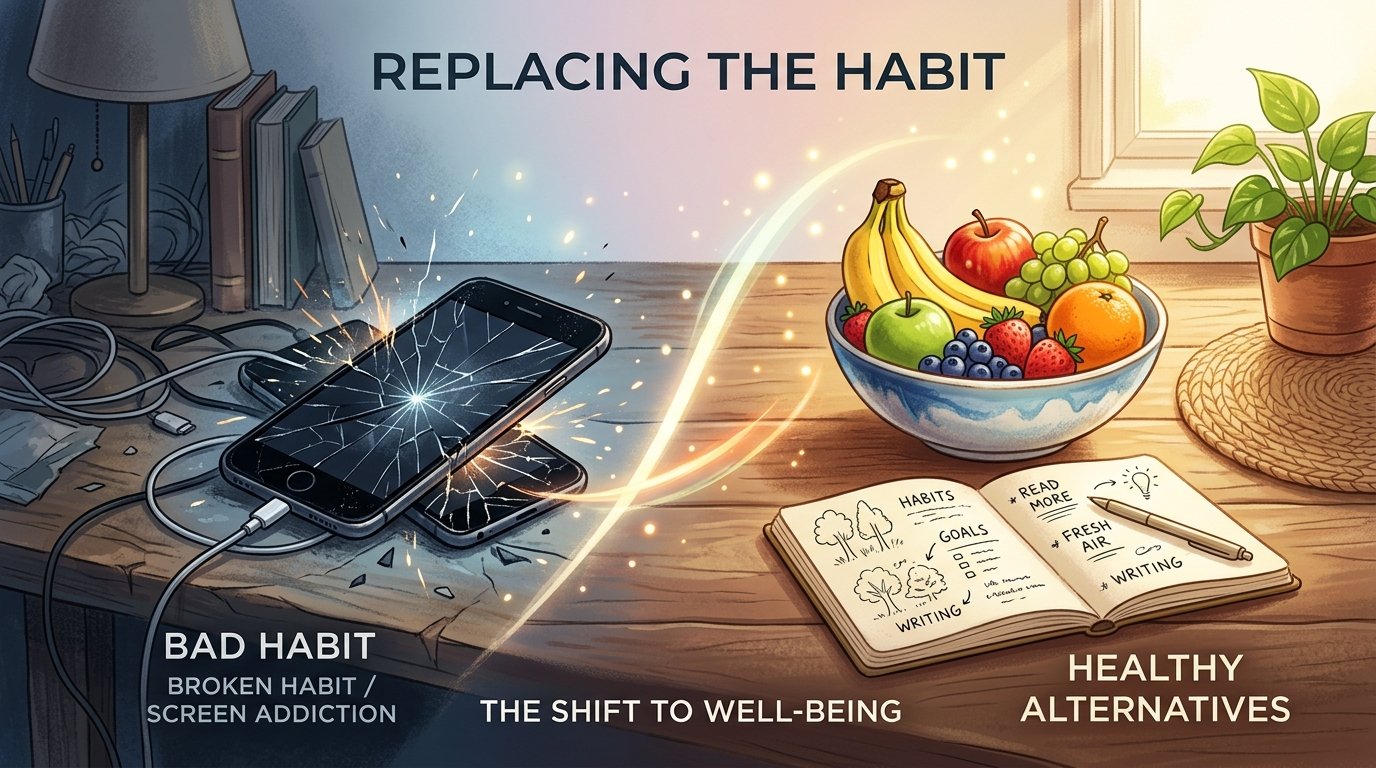
The "Days Since" method works because it leverages a psychological concept known as loss aversion. Humans are naturally more motivated to avoid losing something they already have than they are to gain something new. Once you have a seven-day streak, the thought of "resetting to zero" becomes painful. That number represents your hard work, your discipline, and your struggle.
Here is why this specific type of tracking is so effective for vaping:
- It Provides Immediate Feedback: Quitting is hard because the benefits (better lung health, saved money) often take weeks or months to feel "real." A streak counter provides a hit of dopamine every single morning when the number ticks up.
- It Breaks the "Forever" Mental Block: Thinking about never vaping again for the rest of your life is terrifying. Thinking about making sure your "Days Since" counter reaches tomorrow is manageable.
- It Highlights Patterns: When you track your days, you start to notice when things get hard. Is day three always your breaking point? Is week two where you get complacent? Tracking gives you data on your own behavior.
Think about it this way: when you’re in the thick of a craving, your brain lies to you. It tells you that you’ve made no progress and that one hit won’t matter. But the counter doesn't lie. It shows you exactly how much ground you’ve gained.
Practical Steps to Start Your Streak
You can’t just wake up and hope for the best. Quitting a high-frequency habit like vaping requires a "clean break" protocol. If you leave your device in the drawer "just in case," you are telling your brain that Day 0 is always an option.
1. The Clean Sweep
The moment you decide to start your "Days Since" count, you must get rid of the gear. Throw away the pods, the juice, and the device. If it’s expensive, it doesn't matter—the cost of your health is higher. Keeping a "backup" vape is a vote of no confidence in yourself. You need to make the friction of relapsing as high as possible. If you have to drive to a store to fail, you have more time to talk yourself out of it.
2. Identify Your "Anchor Habits"
Vaping is usually anchored to other activities. Maybe it’s your morning coffee, your commute, or your post-dinner slump. For the first ten days of your streak, you need to change these anchors. If you always vape while driving, take a different route or listen to a high-energy podcast that keeps your mind engaged. If you vape with coffee, switch to tea for a week. By changing the environment, you weaken the trigger.
3. Use the 5-Minute Rule
Cravings feel like they will last forever, but biologically, most intense nicotine cravings peak and fade within five to ten minutes. When the urge hits, look at your "Days Since" progress and tell yourself: "I just have to wait five minutes." Go for a walk, drink a glass of ice-cold water, or do a set of pushups. Once the physical spike passes, the mental resolve returns.
Navigating the Milestones
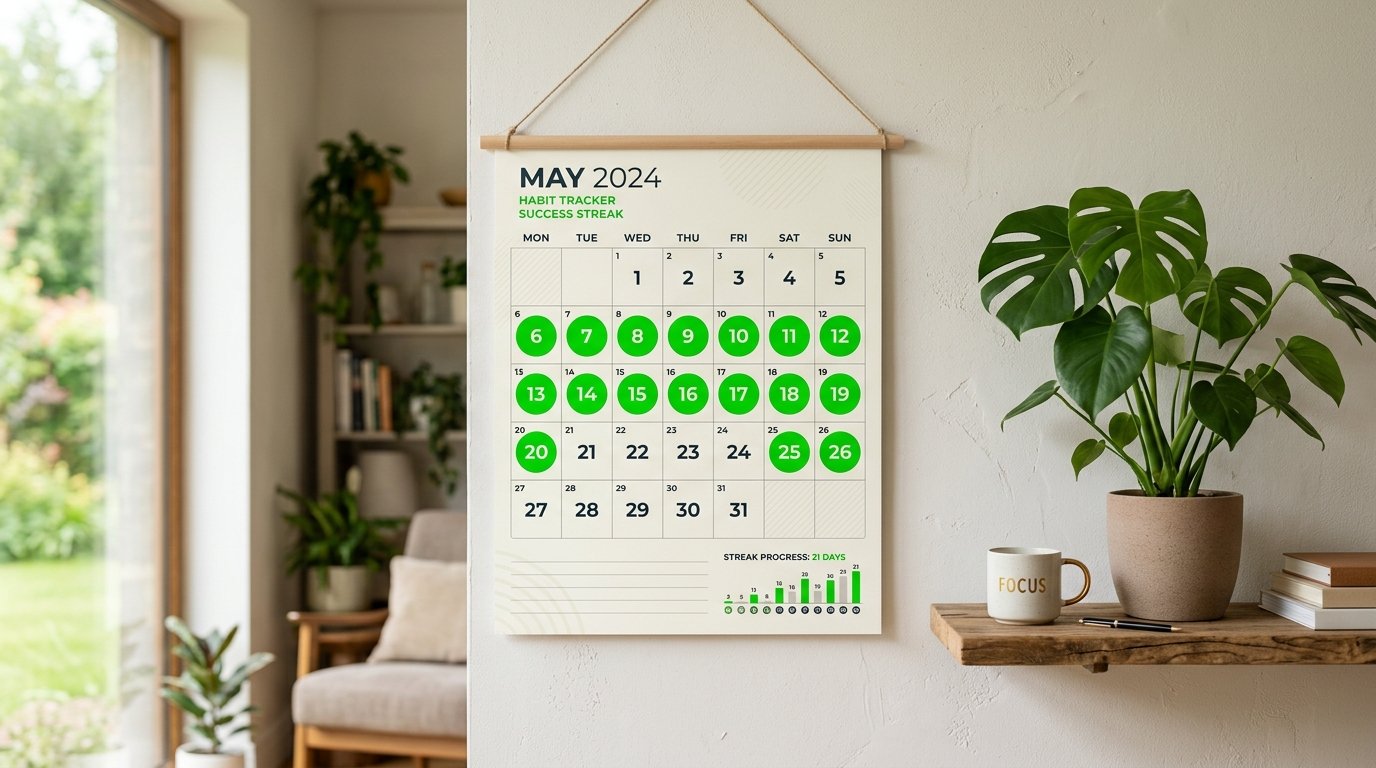
When you start tracking your progress, you'll notice that certain milestones carry different weights. Understanding what is happening in your body during these times can help you stay committed to the streak.
- Days 1–3: This is the "Physical Peak." The nicotine is leaving your system. You might feel "brain fog," irritability, or headaches. This is the most critical time to keep your eyes on the counter. Every hour is a victory.
- Day 7: The "Mental Hump." The physical withdrawal is fading, but the mental habit is still screaming. You’ll find yourself reaching for a vape that isn't there. This is where tracking your streak daily becomes vital to remind yourself why you started.
- Day 30: The "New Normal." By now, your lungs are beginning to clear, and your sense of taste and smell are likely improving. You might feel like you "won" and can handle "just one hit." This is a trap. Seeing a 30-day streak is your best defense against overconfidence.
Many people find that using visual tools like habit tracking apps or digital countdowns helps bridge the gap between the internal struggle and external reality. Seeing your progress represented as a growing number creates a sense of pride that nicotine can’t provide.
What to Do if You Slip
Here’s a hard truth: many people fail their first few streaks. But there is a massive difference between a "slip" and a "slide." A slip is taking one hit and immediately realizing it was a mistake. A slide is saying, "Well, I ruined my streak, I might as well buy a new pack and start again next month."
If you slip, you don't lose the health benefits you gained during those smoke-free days. However, for the sake of the "Days Since" method, you must reset the counter. Be honest with yourself. The reset is not a punishment; it’s a recalibration. It reinforces the fact that the streak matters. Most people find that after a reset, they are even more determined to protect their new number because they know exactly how much it hurts to see it go back to zero.
The goal is to build a streak so long that the thought of resetting it becomes unthinkable. Whether you are on Day 1 or Day 100, the focus remains the same: protect the day.
Key Takeaways
- Vaping is a high-frequency habit: Because it has no natural end point, it requires a conscious effort to move the behavior from "autopilot" to "intentional."
- Loss Aversion is your friend: Tracking your "Days Since" makes the cost of a relapse feel higher, helping you stay disciplined during intense cravings.
- Change your environment: Disrupt the "anchor habits" that trigger your urge to vape, especially during the first two weeks of your streak.
- The 5-minute rule: Cravings are temporary spikes. Use your progress tracker to remind yourself of how far you’ve come until the urge passes.
- Track your milestones: Watching your streak grow from days to weeks provides the visual motivation needed to transform your identity. Seeing your progress every day can be the difference between quitting for a week and quitting for good.
Build Better Habits — Track Your Streaks
Set goals, build streaks, and transform your life one habit at a time.