
- Published on
Design an Afternoon Reset to Beat the 3 PM Slump
It is 2:45 PM. You are staring at the same sentence on your screen for the fifth time, and your brain feels like it has been packed with cotton. The draft email you started before lunch is still sitting unfinished, and suddenly, a trip to the breakroom for a sugary snack or a third cup of coffee feels like a matter of survival.
We have all been there. The afternoon slump is a nearly universal human experience, but how we respond to it determines the quality of our entire evening.
Instead of fighting your body with artificial stimulants, you can design a simple afternoon reset routine. This is a deliberate, 15-minute transition designed to clear your mental clutter, restore your physical energy, and help you finish your workday strong without feeling completely depleted by dinner.
The Anatomy of the 3 PM Slump
Here's the thing: that heavy, sluggish feeling you get mid-afternoon isn't a personal failure. It is biology.
Our bodies run on a natural internal clock called the circadian rhythm. Around 12 hours after the midpoint of our nighttime sleep, our core body temperature drops slightly, causing a natural dip in alertness. This typically happens between 1:00 PM and 4:00 PM.
But while the biological dip is natural, our modern habits often make it much worse. We sit in static positions for hours, stare at screens without blinking, and eat heavy lunches that send our blood sugar on a roller coaster ride.
When the slump hits, our default reaction is to reach for quick fixes. We grab an energy drink, a sugary latte, or a handful of candy. While these might give you a 20-minute spike of synthetic energy, they inevitably lead to a harsh crash. Worse, consuming caffeine late in the afternoon stays in your system for hours, disrupting your sleep and guaranteed to make you feel even more tired tomorrow.
To break this cycle, we need to stop fighting our biology and start working with it.
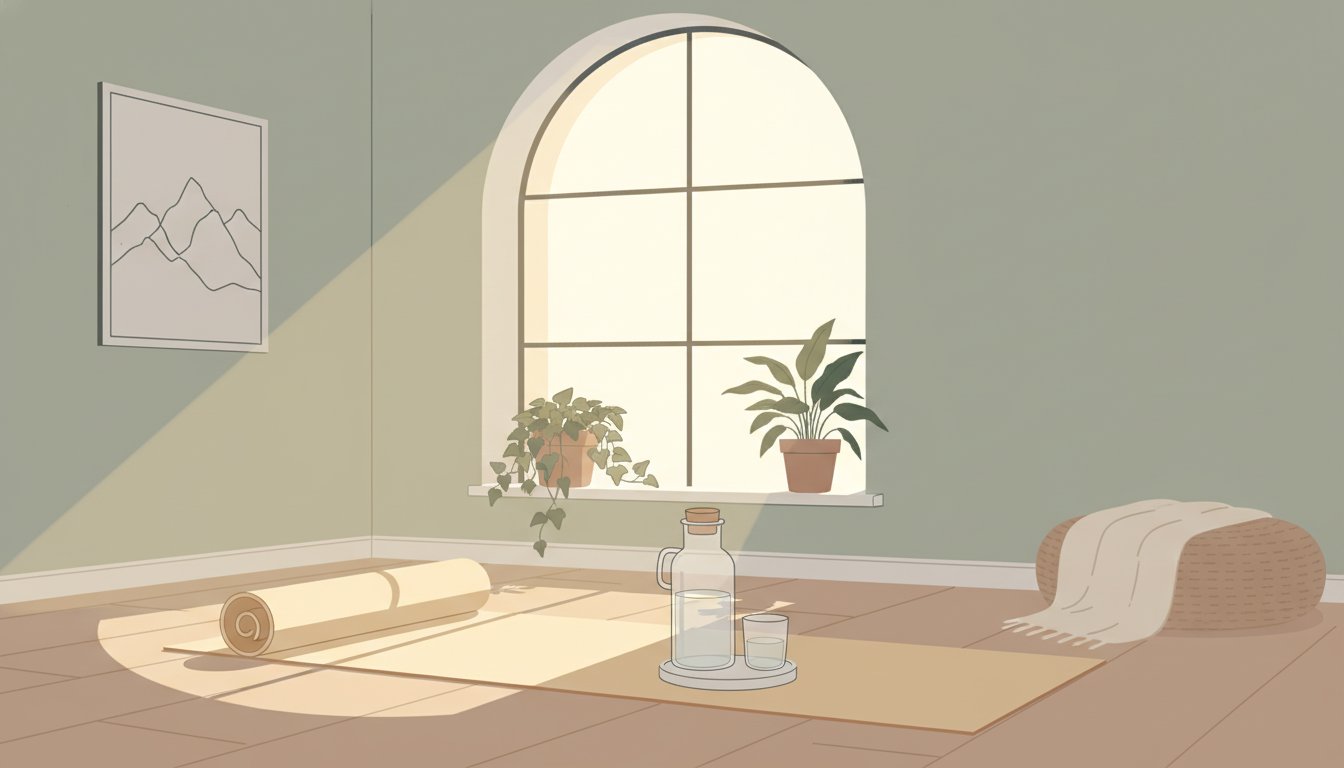
The 4-Step Afternoon Reset Blueprint
An afternoon reset is not a luxury or a waste of time. It is a strategic investment that pays off in late-day productivity and evening energy.
The goal is to create a predictable sequence of small actions that signal to your brain: the morning is over, we are clearing the slate, and we are starting fresh.
You do not need an hour for this. In fact, the most effective afternoon reset routines take exactly 15 minutes. Let's break this down into four simple steps.
Step 1: Step Away and Unplug (3 minutes)
The first step is a hard break from whatever you were doing. Close your laptop, put your phone in a drawer, and physically stand up from your desk.
Your eyes and brain need a break from close-up digital focus. Psychologists call this "attention restoration theory." Looking at digital screens for hours causes cognitive fatigue, but shifting your gaze to a distant object—or better yet, looking out a window at trees or sky—allows your brain's focused networks to rest and recover.
Use these three minutes to completely disconnect. Do not check your personal phone. Just sit quietly, look out the window, or close your eyes and let your mind drift.
Step 2: Hydrate and Cool Down (3 minutes)
Mild dehydration is one of the leading, undetected causes of afternoon fatigue and brain fog. By 3 PM, you have likely gone several hours without drinking water, especially if you have been busy with meetings or deep work.
Instead of pouring another cup of coffee, drink a large glass of ice-cold water.
For an extra sensory wake-up call, head to the restroom and splash cold water on your face, or run cold water over your wrists for 30 seconds. This simple act stimulates the vagus nerve, lowering your heart rate and instantly increasing alertness.
Step 3: Move and Oxygenate (6 minutes)
Physical stagnation leads to mental stagnation. When you sit still, your circulation slows down, meaning less oxygen is reaching your brain.
You do not need a full workout to fix this. Just six minutes of gentle movement will completely change how you feel.
Try a combination of these simple movements:
- The doorway stretch: Stand in a doorway, place your forearms on the frame, and gently lean forward to open up your chest and shoulders.
- Gentle neck rolls: Release the tension built up from staring at a monitor.
- A quick walk: Walk down the hallway, up and down a flight of stairs, or around the block.
If you work from home, you can do a few light stretches on the floor or a set of bodyweight squats to get your blood pumping. The goal is simply to get your heart rate up slightly and breathe deeply.
Step 4: Choose Your Afternoon "One Thing" (3 minutes)
The final step is mental alignment. Do not just sit back down and dive into your overwhelming inbox. If you do, the post-reset energy will evaporate within minutes.
Instead, look at your task list and choose exactly one important thing you want to accomplish before you shut down for the day.
Write it down on a physical sticky note. Clear your desk of everything else, close all unnecessary browser tabs, and focus solely on that single task. By narrowing your focus, you eliminate decision fatigue and give your brain a clear, achievable target for the rest of the day.
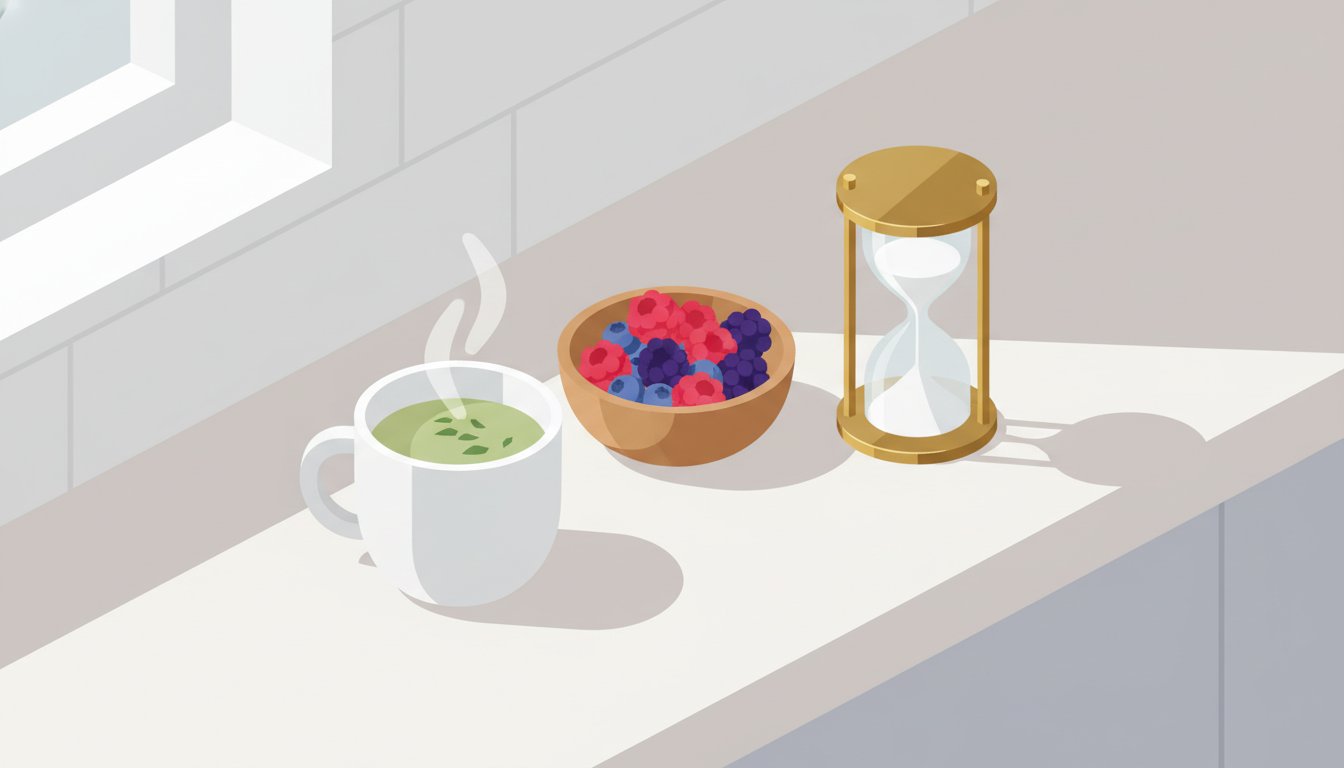
Designing Your Reset Based on Your Space
Your afternoon reset should be tailored to your working environment. What works in a quiet home office might not work in an open-plan corporate office.
Think about it this way: the best routine is the one you can actually perform consistently, regardless of your surroundings.
The Corporate Office Reset
If you work in a shared office space, you might feel self-conscious doing stretches at your desk or sitting with your eyes closed.
Instead, make your reset mobile. Grab your water bottle, walk to a quiet stairwell or an outdoor courtyard, and do your stretching there. Use a cup of herbal tea as a sensory anchor—holding a warm mug and focusing on the aroma for three minutes is a highly effective, low-profile mindfulness practice.
The Home Office Reset
When you work from home, the boundaries between work and life are blurred, making afternoon fatigue feel even heavier.
Take advantage of your environment. Step completely out of your workspace. Go outside and feel the sunlight on your face for five minutes—natural light is the most powerful tool we have for regulating our circadian rhythm and boosting daytime alertness. You can also use this time to do a quick, five-minute household chore like emptying the dishwasher or watering your plants to get you away from screens.
How to Build the Afternoon Reset Habit
Designing a beautiful routine on paper is easy. The real challenge is remembering to do it when you are already tired and overwhelmed.
When 3 PM rolls around, your executive function is low, and your brain will default to the path of least resistance: scrolling social media or eating snacks. To make your reset happen automatically, you need to set up structural cues.
First, use a visual trigger. Set a daily alarm on your phone or calendar for 2:45 PM labeled "Afternoon Reset." When the alarm goes off, treat it as a non-negotiable meeting with yourself.
Second, track your consistency. Seeing your progress build over time is one of the most effective ways to cement a new habit. You can use simple habit tracking tools or a daily streak counter to log your afternoon resets. Tracking your streak turns a daily chore into a rewarding game. When you can visually see that you have completed your reset for 10 days in a row, you will be far less likely to skip it on day 11.
Over time, this routine will shift from something you have to force yourself to do to an automatic, comforting ritual that you look forward to every single day.
Key Takeaways
- Work with your biology: The 3 PM slump is a natural circadian dip. Instead of fighting it with late-day caffeine or sugar, use a physical and mental reset to restore your focus naturally.
- Keep it brief and structured: A highly effective afternoon reset only takes 15 minutes. Spend three minutes disconnecting, three minutes hydrating, six minutes moving, and three minutes choosing your final task of the day.
- Tailor it to your space: Customize your routine to fit your environment, whether that means taking a quiet walk down an office stairwell or stepping outside into the sunlight at home.
- Track your daily consistency: Use visual cues like a mid-afternoon alarm and a streak tracking habit to ensure you stick to your routine even on your busiest days. Seeing your streak grow will keep you motivated to protect your afternoon energy.
Build Better Habits — Track Your Streaks
Set goals, build streaks, and transform your life one habit at a time.