
- Published on
Break the Takeout Habit with Days Since Tracking
You told yourself tonight would be different. You even bought groceries on Sunday with the best intentions, filling your fridge with fresh produce and meal prep containers. But now it is 7:30 PM on a Tuesday, your energy is completely drained from work, and the thought of chopping vegetables feels like climbing a mountain.
Within three taps on your phone, you have ordered a $30 bowl of noodles that will arrive lukewarm in 40 minutes.
You are not alone in this cycle. Modern food delivery platforms have spent billions of dollars perfecting a system designed to exploit your brain's natural desire for convenience. Breaking this habit is not just a matter of willpower; it is about understanding the psychology of convenience and changing how you measure your progress.
Why Your Brain Loves the Delivery Loop
To stop ordering takeout, you first need to understand why it is so incredibly difficult to quit. It is not because you are lazy or lack discipline. It is because delivery apps have removed every single point of friction between your craving and the reward.
Psychologists study behavior through the lens of the "habit loop," which consists of a cue, a routine, and a reward. In the case of food delivery, the cue is often fatigue, stress, or boredom at the end of the day. The routine is opening the app and scrolling. The reward is the dopamine hit of knowing dinner is handled, followed by the actual food.
But there is a catch. The real dopamine rush does not actually come from eating the food. Research shows that dopamine spikes during the anticipation of the reward. Watching the little digital car move across the map on your screen releases more feel-good chemicals in your brain than the actual meal does. You have been conditioned to love the process of ordering just as much as, if not more than, the food itself.
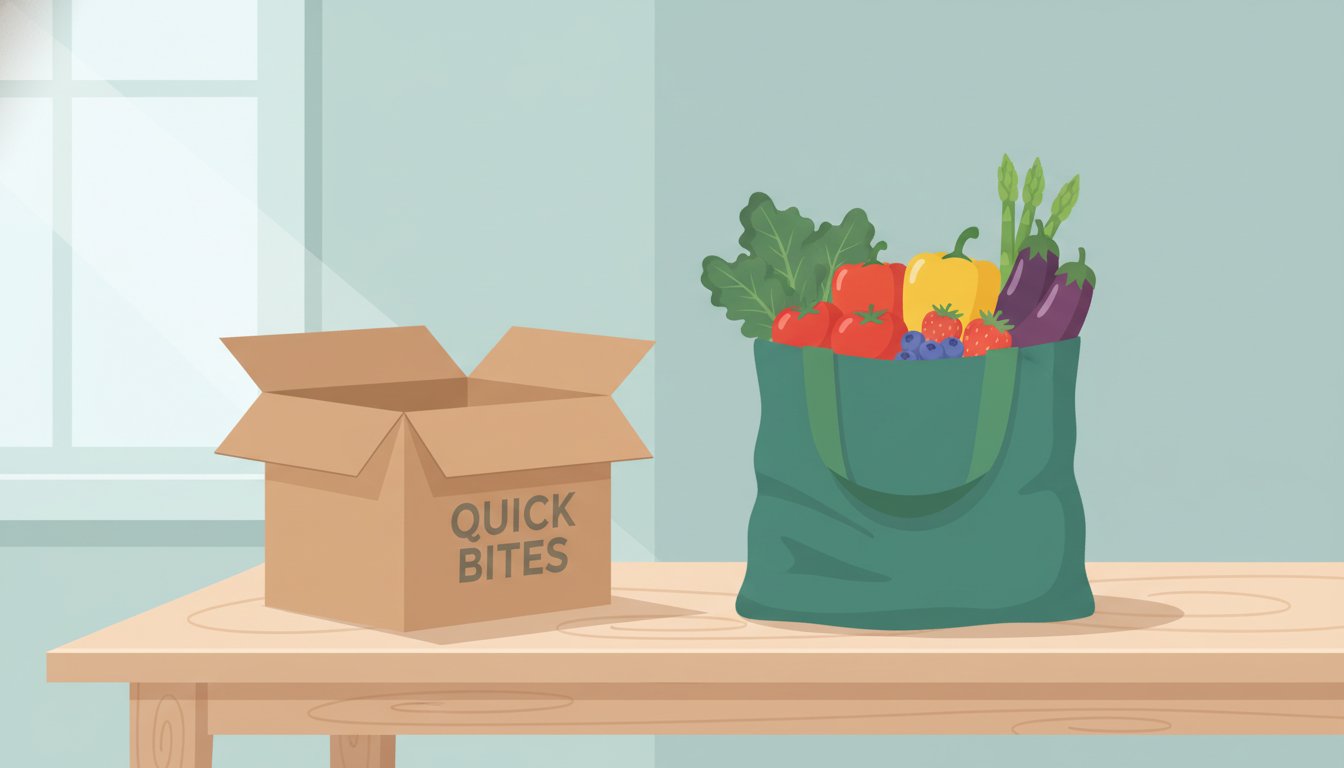
The Power of "Days Since" Tracking
When we try to break a habit, we usually set vague goals like "I need to cook more" or "I want to save money on food." The problem with these goals is that they do not give your brain a clear target. They are passive, and they do not replace the dopamine hit you get from ordering delivery.
This is where "days since" tracking changes the game.
Instead of focusing on a vague future goal, you focus on a single, concrete number: the number of days since you last ordered takeout. This simple shift in perspective leverages a psychological concept known as loss aversion. Humans are naturally more motivated to avoid losing something they have built than they are to gain something new.
When you see that you have gone seven days without ordering takeout, that number becomes a physical representation of your self-discipline. Breaking the streak means resetting that counter back to zero. Suddenly, ordering that overpriced burger does not just cost you $25; it costs you your hard-earned progress.
By using a days-since tracker, you turn a passive financial leak into an active, visual game where you are constantly trying to beat your high score.
How to Set Up Your Takeout-Free System
You cannot rely on motivation alone to get you through the evening slump. You need to build a system that makes ordering takeout harder and cooking at home easier. Here is how to set up your environment for success.
1. Define Your Rules Clearly
Before you start tracking, you need to establish what actually counts as "takeout" for your streak. If you buy a pre-made salad from the grocery store because you are too tired to cook, does that break your streak?
For most people, the best rule is to target the specific habit causing the most damage: delivery apps. Define your streak around "days since using a food delivery app." If you walk down the street to pick up a slice of pizza, that might be allowed in your rules. Keep it simple, clear, and realistic.
2. Create Artificial Friction
Delivery apps are dangerous because they are frictionless. Your credit card is saved, your address is pre-filled, and your favorite meals are one tap away. You need to put those speed bumps back in place.
Delete the delivery apps from your phone. If you really want to order, make yourself use the web browser and manually type in your credit card details every single time. You will be amazed at how often that extra two minutes of effort gives your logical brain enough time to step in and say, "We do not need to do this."
3. Build an "Emergency Food" Safety Net
The primary reason people order takeout is decision fatigue. At the end of a long day, you do not have the cognitive energy to decide what to cook, let alone actually cook it.
Always keep two or three high-quality, frozen meals in your freezer. These should be meals that require absolutely zero effort—just pop them in the oven or microwave. Eating a frozen pizza or a pre-packaged pasta dish might not be peak culinary health, but it keeps your streak alive and saves you money. It is your bridge between takeout and a fully cooked home meal.
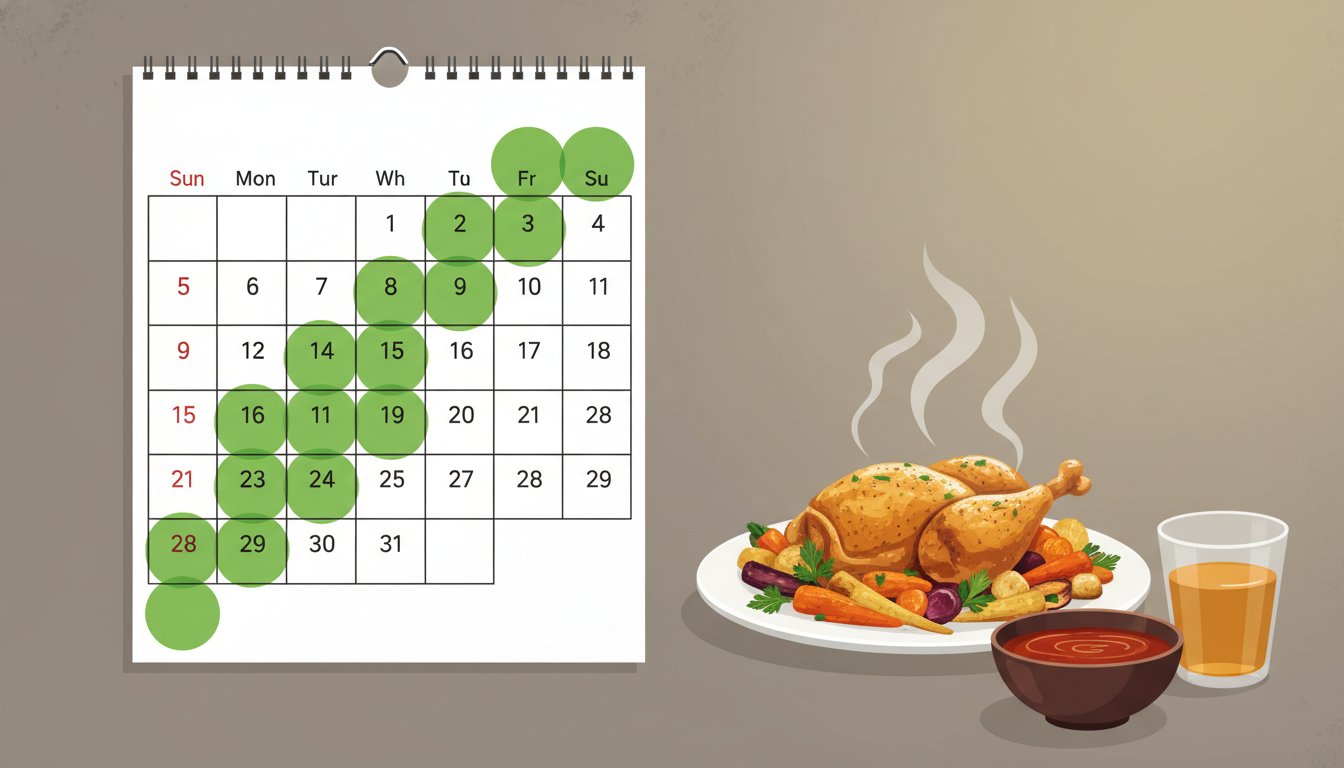
What to Expect on Your Journey
Breaking a habit is a physical process of rewiring your neural pathways. Knowing what to expect at each milestone can help you stay on track when the cravings hit.
Days 1 to 3: The Friction Phase
This is the hardest part of the journey. Your brain is used to the easy path, and it will scream for the convenience of delivery. You will feel restless around dinner time, and your mind will try to rationalize why "just this once" is fine. Focus entirely on keeping your counter moving forward one day at a time.
Days 4 to 10: The Financial Realization
By this point, you will start to notice a tangible difference in your bank account. Watching your "days since last takeout" streak climb from three to ten days gives you a shot of dopamine that rivals the delivery app notification. Use this momentum to plan your meals for the upcoming week.
Days 11 to 30: The Identity Shift
Around the two-week mark, your brain begins to adapt. You start to see yourself not as "someone trying to stop ordering food," but as "someone who cooks at home." Your kitchen stops looking like a place of labor and starts looking like a tool for your health and financial freedom.
How to Handle the Inevitable Setback
Here is the thing: at some point, you will probably break your streak. You will have a terrible day, your freezer will be empty, and you will order delivery.
When this happens, the most important thing is how you respond. Many people fall victim to the "what the hell effect"—a psychological phenomenon where a single slip-up causes you to completely abandon your goals because you feel like you have already ruined your progress.
If you order delivery, do not view it as a failure. View it as a single data point. Reset your tracker to zero with compassion, analyze what triggered the slip-up (were you unprepared? too tired?), and start again. The goal is not a lifetime of perfect compliance; the goal is reducing the frequency of the bad habit over time.
Key Takeaways
- The anticipation is the trap: Delivery apps trigger dopamine during the ordering and tracking process, not just when eating the food.
- Friction is your friend: Delete delivery apps and remove saved payment methods to give your logical brain time to intervene.
- Keep an emergency backup: Always have zero-effort frozen meals available for nights when decision fatigue hits.
- Protect your streak: Focus on the visual progress of your "days since" counter to leverage your natural desire to keep progress alive.
If you are ready to reclaim your budget and your health, there is no better time to start than right now. Start tracking your days since your last delivery order today to watch your savings and health improve. Your future self will thank you for the empty delivery queue.
Build Better Habits — Track Your Streaks
Set goals, build streaks, and transform your life one habit at a time.