
- Published on
30 Days After Quitting Weed: A Recovery Timeline
You’ve decided to put down the vape, the pipe, or the edibles. Maybe you’re tired of the brain fog, the constant pull of the habit, or the feeling that you’re living life at 70% capacity. But as you stand at the starting line, your mind is likely racing with questions. What does the road ahead look like? When will you finally sleep normally again?
The decision to quit cannabis is a powerful step toward reclaiming your focus and energy. However, knowing what to expect during the first month can make the difference between a successful life reset and a relapse on day four. Let's break down exactly what happens to your brain and body during this critical 30-day window.
To understand why quitting weed feels the way it does, we have to look at the brain. Cannabis contains THC, which mimics anandamide, a natural chemical in your body that regulates mood, sleep, appetite, and memory. When you consume THC regularly, your brain decides it doesn't need to produce its own endocannabinoids. It down-regulates its CB1 receptors.
Think of it this way: your brain's natural receptors go on a temporary vacation because THC is doing all the heavy lifting. When you suddenly stop, your brain is caught off guard. It takes time for those receptors to wake up, rebuild, and start functioning naturally again. That transition period is where your recovery timeline begins.
Days 1 to 3: The Acute Phase
The first 72 hours are undeniably the most challenging. This is when your body is clearing the immediate active THC from your system, and the sudden absence of the chemical triggers a stress response.
You will likely experience a mix of physical and psychological symptoms. Insomnia is the most common complaint, often accompanied by night sweats as your body tries to regulate its temperature. Your appetite might completely vanish, and foods that normally taste delicious might make you feel slightly nauseated.
Emotionally, you might feel like a walking raw nerve. Irritability, sudden mood swings, and a low tolerance for minor inconveniences are completely normal during these first few days. Here's the thing: this isn't the "new you." This is just your brain reacting to the sudden drop in dopamine and endocannabinoid stimulation. It is a temporary storm, not a permanent climate.
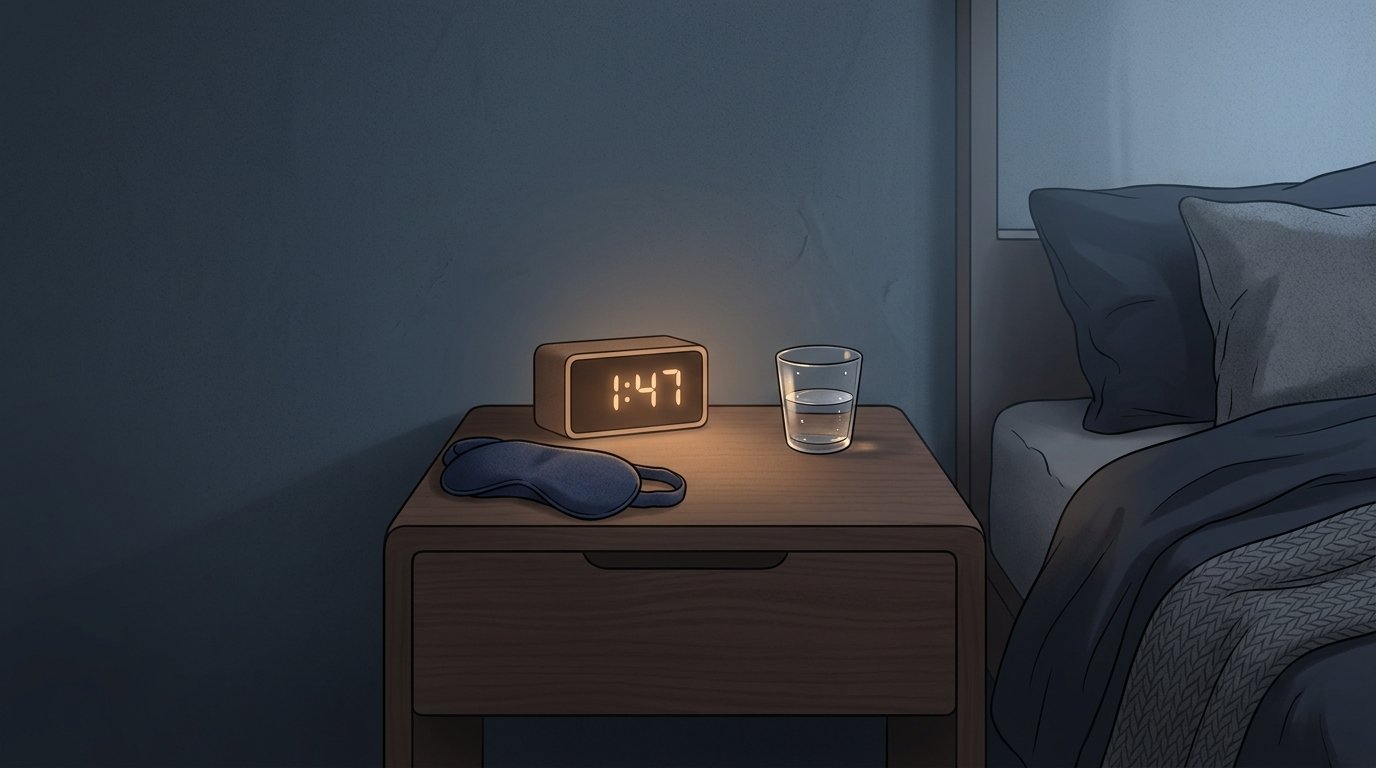
Days 4 to 7: The Vivid Dream Stage
By day four, the physical cravings usually begin to lose their sharp edge, but a new phenomenon takes over: wild, incredibly vivid dreams.
When you use cannabis, it suppresses REM (Rapid Eye Movement) sleep, which is the stage of sleep where deep dreaming occurs. Once THC leaves your system, your brain experiences what scientists call "REM rebound." Your mind rushes to make up for months or years of lost REM sleep, resulting in dreams that feel intensely real, strange, and sometimes exhausting.
While waking up from a bizarre dream can feel unsettling, it is actually a beautiful sign of healing. It means your sleep architecture is repairing itself. Your brain is finally getting the deep, restorative rest it has been deprived of for so long.
Days 8 to 14: The Fog Begins to Lift
Entering the second week, you will start to notice a profound shift in your cognitive abilities. The "weed hangover"—that lingering, slow-motion feeling in the morning—begins to dissipate.
Your short-term memory starts to sharpen. You’ll find it easier to recall words, stay on track during conversations, and focus on complex tasks without getting distracted. Your lungs may also start cleaning themselves out, which might cause a temporary cough as your respiratory system clears away built-up debris.
At this point, your appetite should return to normal, and you might even find yourself enjoying food without needing to be high first. But there's a catch: as the physical symptoms fade, the psychological habit remains. You might find yourself reaching for a joint out of pure muscle memory or boredom at times when you used to smoke.

Days 15 to 30: Reclaiming Your Baseline
During the final two weeks of your first month, your brain chemistry undergoes a massive stabilization. Your CB1 receptors are rapidly returning to their normal levels of sensitivity.
Your mood begins to level out. The intense anxiety and irritability of the first week are replaced by a calm, sustainable energy. You’ll likely notice that your motivation is returning; things that felt like a massive chore a week ago now feel entirely manageable.
By day 30, the vast majority of the THC has left your fat cells, and your natural dopamine production is finding its baseline again. You are no longer relying on an external substance to feel normal. You are experiencing life through a clear, unfiltered lens.
How to Navigate the Journey and Stay Consistent
Quitting a habit like cannabis is rarely a straight line. The urge to relapse often strikes not when you're feeling miserable, but when you're feeling bored or stressed.
To protect your progress, it helps to make your success visible. Tracking your journey day by day transforms an abstract goal into a tangible streak you won't want to break. Using a simple habit tracking app to monitor your "days since" quitting can provide a powerful visual reminder of how far you've come. Every day you add to that streak reinforces your new identity as someone who doesn't need to smoke to get through the day.
Additionally, you need to replace the habit loop. If you used to smoke to unwind after work, you need a new evening ritual. Try a hot bath, a 20-minute walk, or a cup of herbal tea. Your brain still wants to relax; you just need to teach it a healthier way to do so.
If you're struggling with severe withdrawal symptoms, anxiety, or depression during this process, please reach out to a professional or a trusted person in your life. There is no shame in seeking support.
Key Takeaways
- Days 1-3 are about survival: Expect insomnia, low appetite, and irritability, but remember these physical symptoms peak quickly and subside.
- Vivid dreams mean healing: The intense dreams of week one are a sign of "REM rebound" as your sleep cycle restores itself to its natural state.
- Cognitive clarity returns in week two: Short-term memory, focus, and verbal recall improve significantly as the brain fog lifts.
- Dopamine stabilizes by day 30: Your brain’s natural receptors recover, leading to steadier moods, natural motivation, and better sleep.
- Visual tracking keeps you strong: Setting up a days-since counter or a streak tracker gives you a visual representation of your progress, making it much easier to stay committed when cravings strike.
Build Better Habits — Track Your Streaks
Set goals, build streaks, and transform your life one habit at a time.