
- Published on
30 Days Without Doomscrolling: Brain Benefits
It’s 11:45 PM. You’re lying in bed, the blue light of your phone illuminating your face as you scroll through another thread of bad news, political arguments, and alarming headlines. Your chest feels tight, your eyes burn, but you can't seem to swipe away.
We’ve all been there. This is doomscrolling—the compulsive habit of consuming an endless stream of negative online content. It feels like we are staying informed, but in reality, we are feeding our brains a steady diet of low-grade anxiety. What would happen if you decided to step off this digital hamster wheel for just 30 days?
To understand the benefits of quitting, we first have to understand why our brains are so easily hooked by bad news. For thousands of years, paying close attention to threats was a survival mechanism. Your ancestors needed to know if there was a predator nearby. Today, your brain treats a terrifying headline on your feed exactly like that predator.
When you scroll through negative news, your amygdala—the brain's alarm system—goes into overdrive. It triggers a release of cortisol and adrenaline, keeping you alert, anxious, and craving more information to find "safety." It is a toxic feedback loop.
Social media algorithms exploit this negativity bias to keep your eyes glued to the screen. They trigger tiny micro-doses of dopamine every time you find a new, shocking piece of information. According to research from the American Psychological Association, more than half of people say that the news causes them stress, yet many feel compelled to stay plugged in.
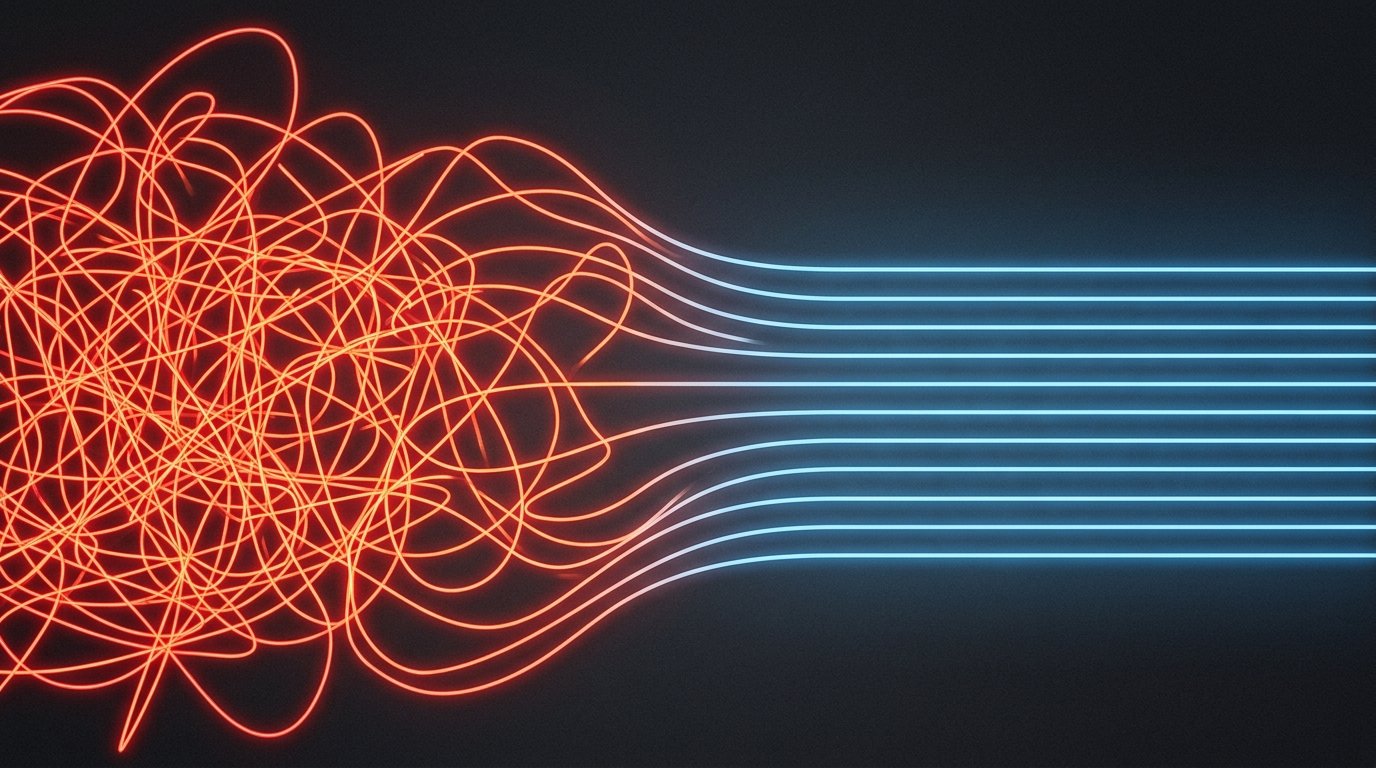
The 30-Day Timeline: Rewiring Your Mind
What actually happens inside your head when you commit to a break? Let's break down the cognitive shift that occurs over 30 days of leaving the doomscroll behind.
Days 1 to 3: The "Phantom" Itch
The first few days are undeniably the hardest. You will feel a strong, almost physical urge to grab your phone and check the news or your social feeds during any moment of silence. This is often called "phantom scrolling" or digital withdrawal.
Your brain is accustomed to a high level of daily stimulation. When you suddenly remove that constant stream of shocking headlines, your dopamine levels dip. You might feel bored, slightly restless, or even anxious that you're "missing out" on something important.
Here's the thing: this isn't a sign that you need the news. It is simply your brain beginning the hard work of resetting its stimulation threshold.
Days 4 to 10: The Cortisol Drop
By the end of the first week, something remarkable begins to happen. Your baseline cortisol levels—the primary stress hormone—start to decline.
Because you are no longer bombarding your amygdala with threat signals every hour, your nervous system begins to shift out of "fight or flight" mode and into a state of rest. You will notice that your daily anxiety levels start to decrease. You might fall asleep faster, wake up feeling less tense, and notice a drop in muscle tension around your shoulders and neck.
Days 11 to 20: Focus and Memory Return
Doomscrolling destroys our attention span. It trains the brain to process information in fragmented, rapid, three-second bursts.
During the second week, your prefrontal cortex—the area of the brain responsible for deep focus, decision-making, and critical thinking—begins to heal. You will find it easier to read a book, hold a conversation, or focus on a work task without feeling the urge to check your phone every five minutes. Your short-term memory will also improve, as your brain is no longer overwhelmed by information overload.
Days 21 to 30: Rewired Neural Pathways
By week four, the habit loop has officially begun to shift. The neural pathways that once automatically guided your thumb to open news apps start to weaken.
Instead, your brain has built new, healthier pathways. You’ve likely replaced doomscrolling with better habits—like reading, stretching, or talking to a loved one. Your brain’s dopamine receptors have recalibrated to appreciate slower, healthier forms of satisfaction. You are no longer constantly on edge, waiting for the next crisis.
Practical Steps to Break the Loop Today
Knowing the science is helpful, but how do you actually make it through the 30 days? Here is a practical roadmap to help you succeed.
Identify Your Triggers
Most doomscrolling happens during transition times or when we are experiencing uncomfortable emotions. Do you scroll when you first wake up? When you're bored at work? Right before bed?
Once you know when you do it, you can plan a substitute action. For example, if you scroll in bed, place your phone on the other side of the room and keep a physical book on your nightstand instead.
Set Hard Boundaries
You don't need to live in a cave to stop doomscrolling. You just need friction.
- Use App Limits: Use your phone's built-in tools to block or limit access to news and social media apps after 15 minutes of daily use.
- Nuke the Feed: Unfollow accounts that consistently post outrage-inducing content. Your mental peace is worth more than being the first to know about every online controversy.
- The Morning Rule: Commit to not checking any news or social media for the first 30 minutes of your day.
Track Your Progress
Never underestimate the power of seeing your progress. When you decide to quit a bad habit, tracking the days since you last did it can be incredibly motivating.
Seeing that number grow from Day 3 to Day 10, and then Day 20, creates a sense of pride and momentum. On days when you feel the itch to scroll, looking at your active streak can be the exact friction you need to put the phone down.
Staying Consistent When the World is Loud
But there's a catch. The world will keep happening. There will always be major news events, crises, and trending topics.
The goal of this 30-day challenge isn't to become uninformed. It is to change your relationship with information. Realize that checking the news once a day for 10 minutes gives you all the practical information you need to function. Anything beyond that is just entertainment disguised as tragedy.
If you stumble and spend an hour scrolling on Day 14, don't beat yourself up. A broken streak is not a failure; it is just a data point. Reset your tracker, acknowledge the trigger, and start again.
If you find that your compulsive scrolling is linked to deep-seated feelings of anxiety or depression that you cannot manage on your own, please reach out to a professional or a trusted person in your life.
Key Takeaways
- Doomscrolling triggers the amygdala, keeping your body in a constant state of low-grade fight-or-flight through elevated cortisol and adrenaline.
- Within 10 days of quitting, your stress hormones drop, leading to better sleep, lower anxiety, and an improved baseline mood.
- By day 30, your prefrontal cortex begins to heal, restoring your attention span, short-term memory, and ability to focus deeply on single tasks.
- Visual progress keeps you strong. Tracking your days since your last doomscroll is a powerful way to build self-trust and maintain your momentum when you feel tempted to scroll.
Build Better Habits — Track Your Streaks
Set goals, build streaks, and transform your life one habit at a time.