
- Published on
The 90-Day Identity Shift: Tracking Small Wins
You wake up, look in the mirror, and realize you are still the same person you were a year ago. You have the same routines, the same frustrations, and the same nagging feeling that you are capable of more. It is easy to assume that life-altering change requires a dramatic, overnight transformation. But real, lasting change rarely happens in a single moment of inspiration. It happens in the quiet, repetitive actions you take over the course of three months.
The 90-day identity shift is not about willpower or grit. It is about the psychology of consistency. When you commit to a new habit for 90 days, you aren't just checking boxes on a calendar. You are providing your brain with a steady stream of evidence that you are someone who keeps promises to themselves. Over time, this evidence accumulates, eventually forcing your identity to catch up with your actions.
Why 90 Days is the Sweet Spot
Many people try to change their lives overnight, only to burn out by the end of the first week. The brain is wired for comfort and efficiency, which means it naturally resists change. When you try to overhaul your entire lifestyle in 24 hours, your internal alarm bells ring, signaling danger.
However, 90 days is long enough to move past the initial discomfort of change without feeling like you are trapped in a permanent, agonizing state of transition. It is roughly the length of one season. By focusing on a single, achievable identity shift—like becoming a runner, a reader, or a more patient partner—you can build a foundation that lasts for years.
The key to this process is the "small win." A small win is a tiny, non-negotiable action that proves to your subconscious that you are changing. If you want to become a morning person, the small win isn't waking up at 5:00 AM every single day. The small win is simply moving your phone out of reach before you go to sleep. When you track these wins, you create a visual feedback loop that keeps your motivation high.
The Power of Tracking Your Evidence
The reason most people fail to stick to new habits is that they focus on the outcome rather than the identity. They want the result—the fit body, the promotion, the organized home—without acknowledging the person they need to become to get there. Tracking is the bridge between who you are and who you want to be.
When you record your daily progress, you are doing more than keeping a log; you are collecting data on your character. Every time you mark a day as "complete" in your tracker, you are casting a vote for your future self.
Think about it this way: if you track your habits using simple, visual tools, you gain a tangible record of your commitment. There is a psychological phenomenon where we tend to value things more when we can see them. A streak of 30, 60, or 90 days becomes a physical manifestation of your discipline. It becomes harder to skip a day when you have 40 days of hard work staring back at you.

Designing Your 90-Day Arc
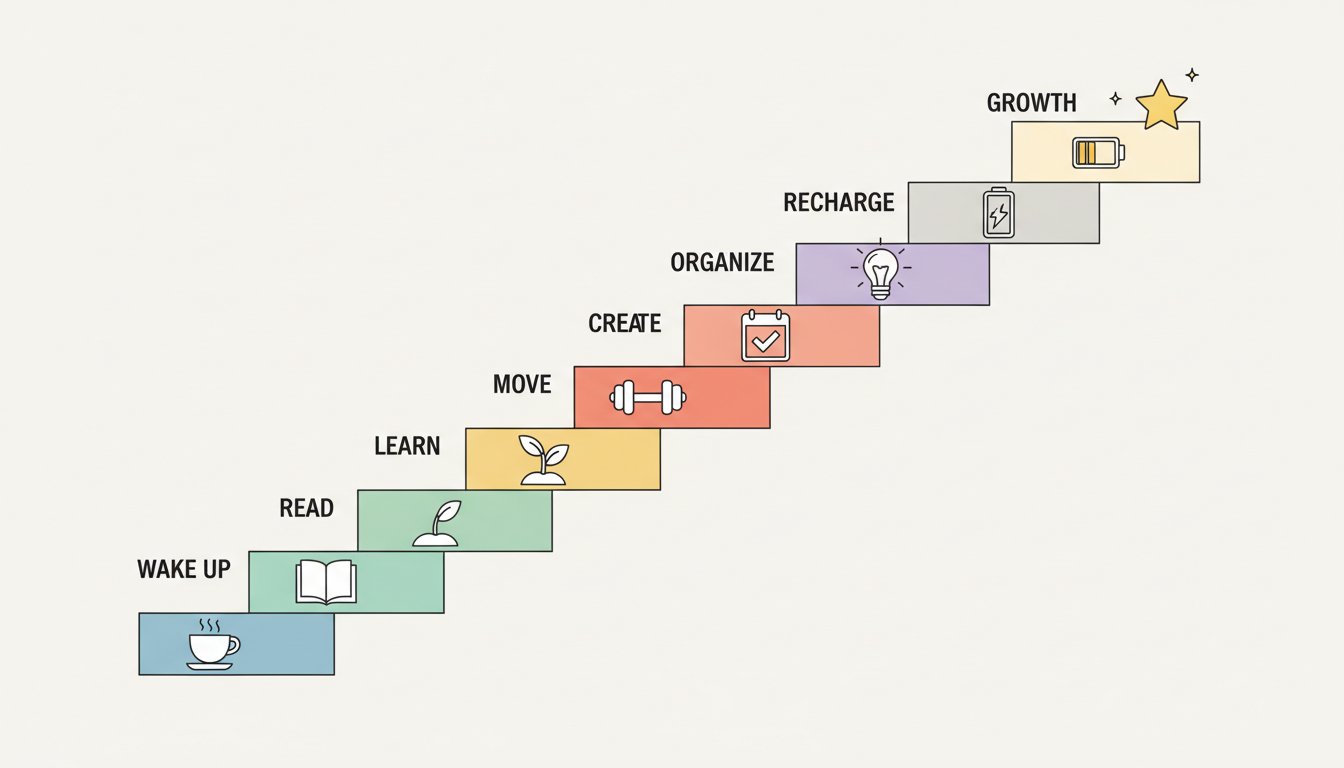
To make this shift work, you need a plan that accounts for the inevitable ups and downs of human motivation. The first 30 days are about showing up. The next 30 days are about handling the friction of real life. The final 30 days are about cementing your new identity.
Days 1–30: The Foundation
During this phase, focus on simplicity. Your goal is to make the habit so easy that it is impossible to fail. If you are starting a fitness habit, don't aim for an hour in the gym. Aim for 10 minutes of movement. The goal here is to establish the habit loop in your brain.
Days 31–60: The Resistance
This is where most people quit. The initial excitement has worn off, and the reality of life—stress, travel, fatigue—sets in. This is when your tracking becomes most important. When you see your progress, you are less likely to let one bad day turn into a week-long slump. If you stumble, use your trackers to see how far you have already come.
Days 61–90: The Identity Shift
By now, the habit should feel like a part of your daily rhythm rather than a task you have to force. You aren't just "trying" to go for a run; you are a runner. You aren't "trying" to save money; you are a person who manages their finances carefully. Your tracking has provided enough evidence that your brain has finally accepted this as your new reality.
How to Stay Consistent When Motivation Fades
Discipline is often misunderstood as a constant state of high intensity. In reality, it is simply the ability to follow through when you would rather not. You don't need to be motivated every day to see results; you just need to be consistent.
Using countdowns to mark the end of your 90-day window can create a sense of healthy urgency. It reminds you that this is a finite challenge, making the daily effort feel more manageable. If you find yourself struggling with a specific day, remind yourself that you only have a certain number of days left to reach your milestone.
If you are struggling with a habit that feels deeply ingrained, such as an addiction or a persistent negative behavior, please remember that you do not have to do this alone. If you're struggling, please reach out to a professional or a trusted person in your life. There is no shame in seeking support while you work on your personal growth.
Key Takeaways
The 90-day identity shift is about proving to yourself, through small, tracked actions, that you are the person you want to become. By breaking your goals into quarterly windows, you make the impossible feel achievable.
- Focus on Identity, Not Just Outcomes: Ask yourself what kind of person you want to be, and then look for small wins every day that reflect that character.
- Use Tracking to Build Evidence: Your daily entries in a habit tracker are not just data; they are proof of your commitment. Seeing your progress can help you stay consistent when your motivation dips.
- The 90-Day Arc is Sustainable: By splitting your journey into three phases—Foundation, Resistance, and Identity—you allow your brain to adapt to change without the risk of total burnout.
- Small Wins Add Up: Never underestimate the power of a tiny daily action. A streak of 90 days is a powerful tool to reinforce your new, improved identity.
When you start today, you are essentially launching a 90-day countdown to a new version of yourself. Small progress becomes visible when you track it daily, and eventually, that progress becomes your new normal.
Build Better Habits — Track Your Streaks
Set goals, build streaks, and transform your life one habit at a time.