
- Published on
The 30-Day No-Snooze Challenge: Master Your Mornings
The alarm clock rings. You reach out, eyes still heavy, and hit snooze. It feels like a small, harmless act—just five or ten extra minutes of rest. But here is the thing: that tiny decision to stay in bed is actually a decision to start your day in a state of reaction rather than intention. You aren't just delaying your wake-up; you are setting a subconscious precedent that your goals are negotiable.
Most of us treat the snooze button as a comfort tool, but psychology suggests it creates something called "sleep inertia." When you drift back into a shallow, fragmented sleep only to be jarred awake again minutes later, your brain doesn't actually get the rest it craves. Instead, you wake up feeling groggier, more irritable, and already behind schedule. This ripple effect lasts for hours, often leading to a day filled with rushed decisions and lingering fatigue.
Why the snooze button is a productivity thief
When you hit snooze, you are essentially fracturing your morning. Research suggests that the quality of sleep you get in those extra ten minutes is poor, providing no real restorative value. More importantly, you are teaching your brain that the first commitment you made to yourself—getting up at a specific time—is optional. This erodes your self-discipline before you have even brushed your teeth.
Think about it this way: your morning is the foundation of your entire day. If you start by negotiating with your alarm, you are likely to negotiate with your gym session, your deep work tasks, and your healthy eating goals later on. By eliminating the snooze button, you reclaim your agency. You decide when your day starts, rather than letting a cycle of fragmented rest dictate your energy levels.

The 30-day "no-button" framework
A 30-day challenge works because it gives you enough time to move past the initial discomfort and build a genuine, lasting habit. The goal here isn't just to wake up earlier; it is to build the identity of someone who keeps their promises to themselves.
If you are struggling with chronic sleep deprivation or a recurring cycle of exhaustion, please reach out to a professional or a trusted person in your life. A "no-snooze" habit is meant to optimize your morning, not replace the need for healthy, consistent sleep.
Week 1: The mechanical shift
For the first seven days, do not focus on productivity. Focus solely on the physical act of getting out of bed the moment the alarm sounds. Place your alarm clock or phone across the room so you have to physically stand up to turn it off. By the time you are standing, the hardest part of the battle is already won.
Week 2: The environment update
Once you are consistently getting up, look at your evening routine. You cannot master your mornings if you are sabotaging your nights. Aim to put your phone away 30 minutes before sleep. When your environment is optimized for rest, waking up without the urge to hit snooze becomes significantly easier.
Week 3: Defining your "why"
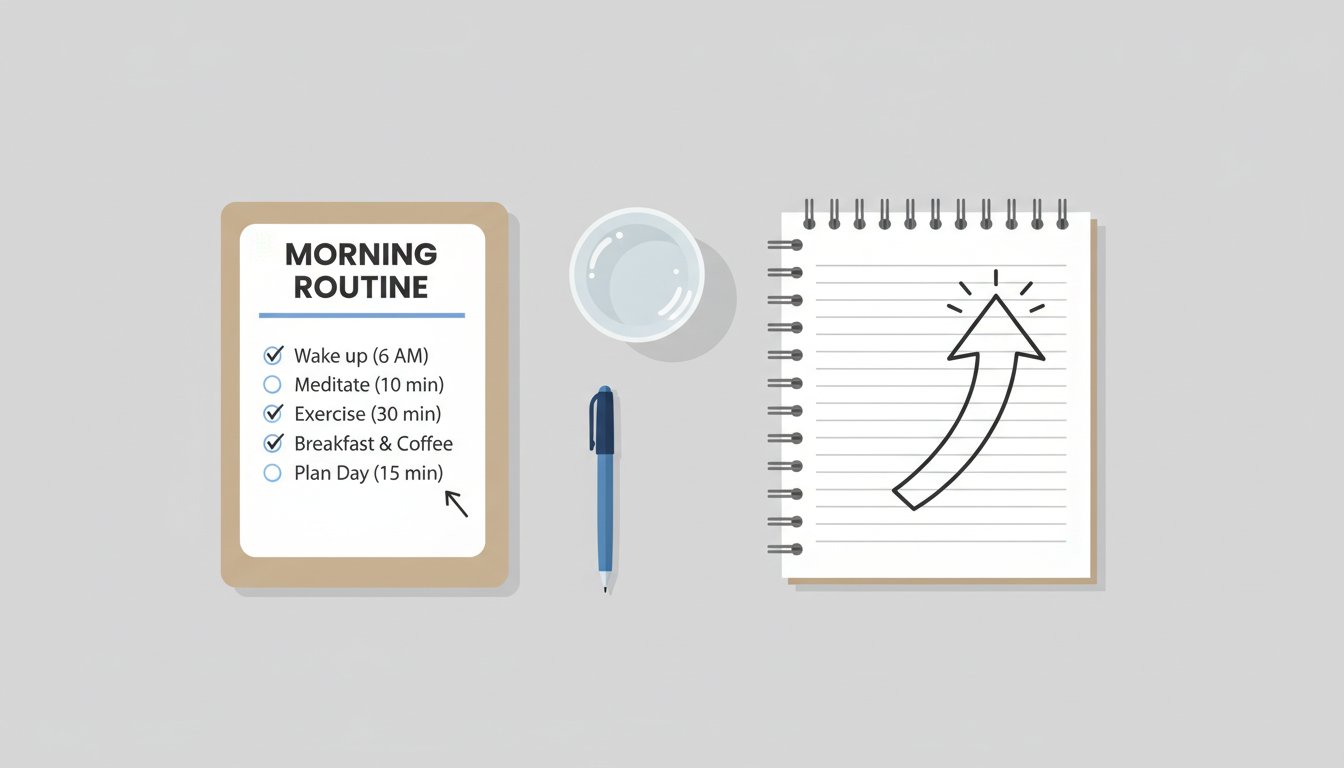
Now that the physical habit is forming, assign a purpose to those extra minutes. Are you waking up to read, meditate, or simply enjoy a quiet cup of coffee? Having a positive reason to rise makes the process feel like a reward rather than a chore. Many people find that using a simple habit tracker to log their successful mornings helps them stay consistent. Seeing a growing streak of "no-snooze" days can be incredibly motivating when you feel tempted to slip back into old habits.
Week 4: The new normal
By the final week, the "snooze" reflex should begin to fade. You will likely notice that you wake up with more clarity and less of the heavy fog that usually accompanies a morning of repeated alarms. You are no longer a person who negotiates with their alarm; you are a person who shows up for their day.
Staying consistent when it gets hard
There will be mornings when you are tired. There will be mornings when the bed feels exceptionally warm and cozy. On those days, lean into the power of the streak. If you have already successfully navigated 20 days without hitting the button, you won't want to break that cycle.
If you do slip up—because life happens—don't throw away the progress of the entire month. Acknowledge the slip, reset your mindset, and start fresh the next morning. Consistency isn't about being perfect; it’s about how quickly you get back on track after a setback. Tracking your success over time provides a visual reminder that you are capable of changing your behavior, one morning at a time.
Key takeaways
- Snoozing is a choice to procrastinate. Every time you hit the button, you are telling yourself that your commitments are negotiable.
- Physical distance matters. Place your alarm far enough away that you are forced to stand up to turn it off. This simple act breaks the habit loop immediately.
- The first 30 days build your identity. By committing to a 30-day challenge, you shift from being someone who "tries" to wake up to someone who consistently shows up for their life.
- Use visual progress to stay motivated. Whether you use a physical chart or a digital tool, seeing a streak of successful mornings can help you stay consistent when your motivation wanes. Small, daily wins add up to a major life reset.
Your morning is the one part of the day you have full control over. Stop negotiating with your future self and start showing up today.
Build Better Habits — Track Your Streaks
Set goals, build streaks, and transform your life one habit at a time.