
- Published on
The 30-Day Movement Habit: Boost Your Mental Clarity
You wake up, grab your coffee, and immediately dive into a screen. By 2:00 PM, your brain feels like a browser with too many tabs open. You are tired, unfocused, and frankly, a little restless. You tell yourself that you need to "be more productive," but the truth is that your body is craving something much simpler: movement.
The modern struggle isn't necessarily a lack of willpower; it is a lack of physical engagement. We spend our days in static positions, staring at pixels, while our biology is hardwired for motion. Research in the field of neuroscience suggests that physical activity does more than just burn calories. It triggers the release of brain-derived neurotrophic factor (BDNF), a protein often described as "Miracle-Gro for the brain." This protein supports existing neurons and encourages the growth of new ones, which is directly linked to better memory, improved mood, and heightened mental clarity.
Why 30 Days Changes Everything
When you commit to a 30-day movement habit, you are doing more than just hitting a step count. You are performing a system reset. The first few days are often about physical adjustment, but by the second week, something shifts internally. You start to notice that the mid-afternoon slump doesn't hit quite as hard. Your thoughts feel sharper, and the "fog" that usually settles in by late afternoon begins to lift.
Think of this as a 30-day experiment in cognitive performance. You aren't training for a marathon; you are training your brain to stay alert through consistent, low-intensity movement. When you track your daily steps, you turn an abstract goal into a tangible metric. Seeing that number climb on a habit tracking app provides a small, consistent hit of dopamine, which reinforces the behavior and makes you more likely to lace up your shoes again tomorrow.

Breaking Down the Habit
Building a movement habit doesn't mean you need to clear your schedule for an hour at the gym. In fact, the most sustainable movement habits are often the ones integrated into the cracks of your day. Here is how to approach your 30-day challenge:
Start With a Baseline
Before you set a high goal, find out where you are naturally. Use a tracking tool to see your average daily step count for a week. If you average 3,000, aiming for 10,000 immediately might lead to burnout. Instead, aim for 5,000 for the first week. The goal is consistency, not intensity.
The Power of Micro-Movements
If you find yourself stuck at a desk, use the "every hour" rule. Stand up and move for just two minutes every hour. It sounds small, but over an eight-hour workday, that is 16 minutes of additional movement. This prevents your body from entering a state of stagnation and gives your eyes and mind a necessary break from your tasks.
Link Movement to Mental Rewards
Many people find that walking while listening to a podcast or an audiobook creates a positive association. You aren't just "walking to get steps"; you are "walking to enjoy your favorite story." This is a classic example of temptation bundling, where you pair a habit you need to do with something you want to do.
Overcoming the "Why Bother?" Barrier
We have all been there—the rain is falling, the couch is comfortable, and the idea of going for a walk feels like a chore. This is the moment where most habits die. The secret to staying on track is to stop viewing movement as a "workout" and start viewing it as a "brain recharge."
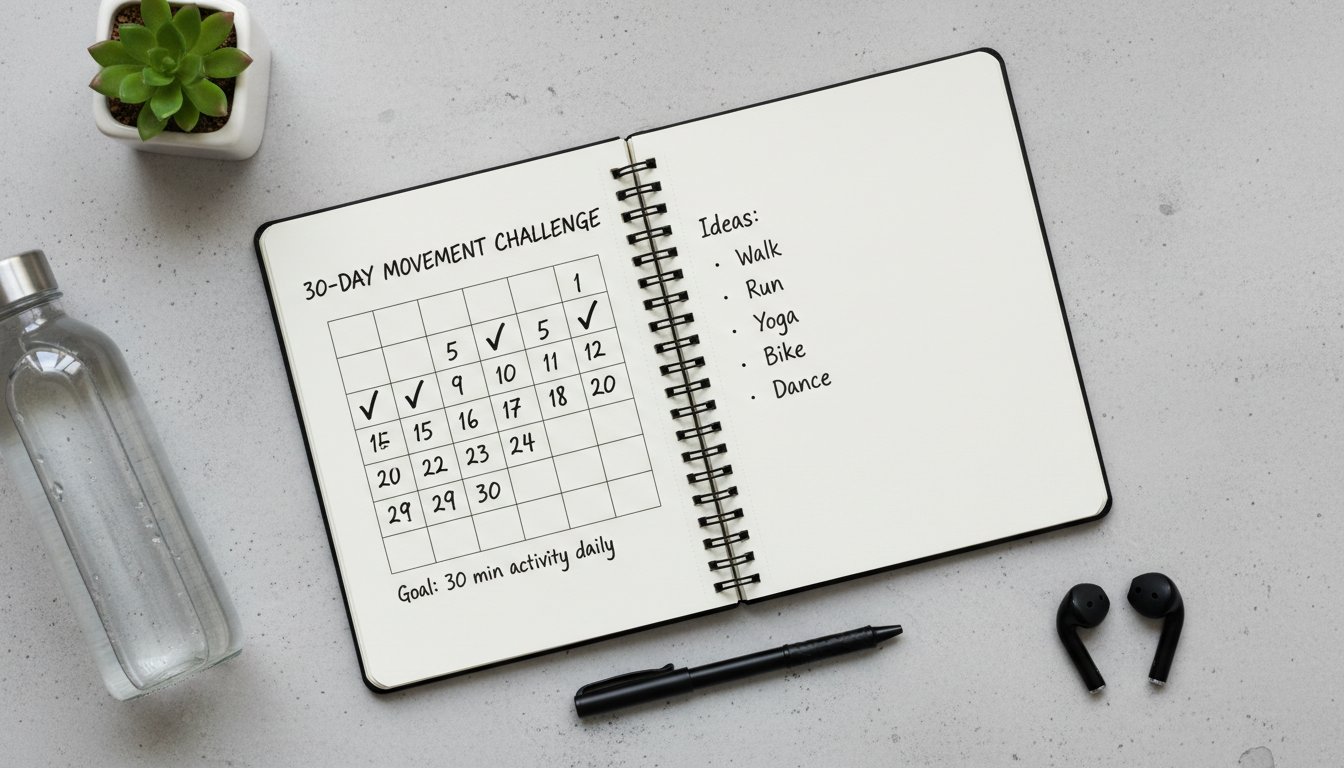
When you feel the urge to skip your daily movement, remind yourself that you aren't doing this to build a physique; you are doing this to clear your mind. If you are tracking your progress, look at your current streak. The visual evidence of your commitment is a powerful psychological anchor. There is a specific kind of satisfaction that comes from seeing a row of checkmarks on your calendar. It serves as a reminder that you are the kind of person who shows up for themselves, even on the days when it is hard.
If you find that your motivation is dipping, try changing your environment. Walk in a park instead of on a treadmill. The change in scenery provides sensory input that helps the brain switch gears, further enhancing that feeling of mental clarity you are chasing.
Sustaining the Momentum
Once you hit day 30, the biggest mistake is stopping. You’ve just spent a month rewiring your neural pathways and teaching your brain that movement is a priority. The habit is now part of your identity. To keep it going, keep your tracking simple. You don't need fancy equipment—just a reliable way to visualize your progress.
Consistency is the ultimate competitive advantage in life. People who move consistently don't just feel better; they think better. They make more measured decisions and manage stress with more grace. By choosing to move every day, you are essentially investing in the long-term health of your mind.
If you are struggling with feeling unmotivated or stuck, remember that you don't need a total life overhaul to feel a shift. You just need to start with one step. Then another. Then another. If you're struggling with significant mental health challenges, please reach out to a professional or a trusted person in your life. Taking care of your body is a wonderful first step, but it is one piece of a larger puzzle.
Key Takeaways
- Movement is cognitive fuel: Physical activity increases BDNF, which directly improves focus and mental clarity.
- Track to thrive: Using a tool to track your daily steps turns an invisible effort into a visible milestone, providing the motivation needed to maintain a streak.
- Focus on consistency, not intensity: You don't need to overexert yourself; regular, low-intensity movement is more sustainable and often more effective for mental health.
- Micro-habits matter: Incorporating small, frequent movements throughout the day can prevent the mental stagnation that leads to fatigue and burnout.
- Visualizing progress helps: Keeping a visual record of your 30-day challenge makes it easier to stay committed, as you'll be less likely to break a streak that you can clearly see growing.
Build Better Habits — Track Your Streaks
Set goals, build streaks, and transform your life one habit at a time.