
- Published on
100 Days Without Caffeine: Energy and Sleep Benefits
The first morning is always the hardest. You wake up, reach for your usual mug, and then remember: today is day one of your hundred-day caffeine break. You might feel a dull throb behind your eyes or a strange sense of emptiness as you start your morning without that familiar ritual. But here is the thing: that initial discomfort is actually the sound of your body recalibrating its internal rhythm.
Many people rely on caffeine as a crutch, assuming that their productivity is tied to a chemical reaction. They believe they cannot function without a cup of coffee or an energy drink. However, once you push past the initial withdrawal, you begin to discover a version of yourself that runs on natural energy. Reaching the 100-day milestone is not just about quitting a habit; it is about reclaiming your biological baseline.
Why 100 Days? The Science of Adaptation
Habit formation and physiological shifts do not happen overnight. While the most intense withdrawal symptoms—headaches, irritability, and brain fog—usually subside within the first two weeks, true hormonal and sleep cycle regulation takes longer. Research suggests that adenosine receptors, which are blocked by caffeine to keep you feeling alert, need significant time to return to their natural density and sensitivity.
When you drink caffeine, you are effectively borrowing energy from tomorrow. You aren’t creating more fuel; you are forcing your body to ignore its own fatigue signals. By committing to a 100-day window, you give your nervous system enough time to reset those receptors. You stop the cycle of borrowing and start the process of building sustainable energy. Watching your progress on a calendar can make these long-term gains feel more tangible; knowing exactly how many days you have gone without that morning jolt can provide the motivation needed to keep going.
Phase One: The Withdrawal and the Fog (Days 1–14)
The first two weeks are often a test of patience. You might feel more tired than usual, even after a full night’s sleep. This happens because your body is no longer being artificially stimulated. You have to learn how to wake up your brain using movement, light, and hydration instead of chemistry.
During this phase, it is vital to be kind to yourself. You aren't "failing" if you feel sluggish; you are simply witnessing the physical manifestation of your body learning to wake itself up. If you are struggling with significant physical distress or feel that your mood is heavily impacted, please reach out to a professional or a trusted person in your life for guidance. It is important to remember that this phase is temporary.
Phase Two: The Stability of Natural Sleep (Days 15–60)
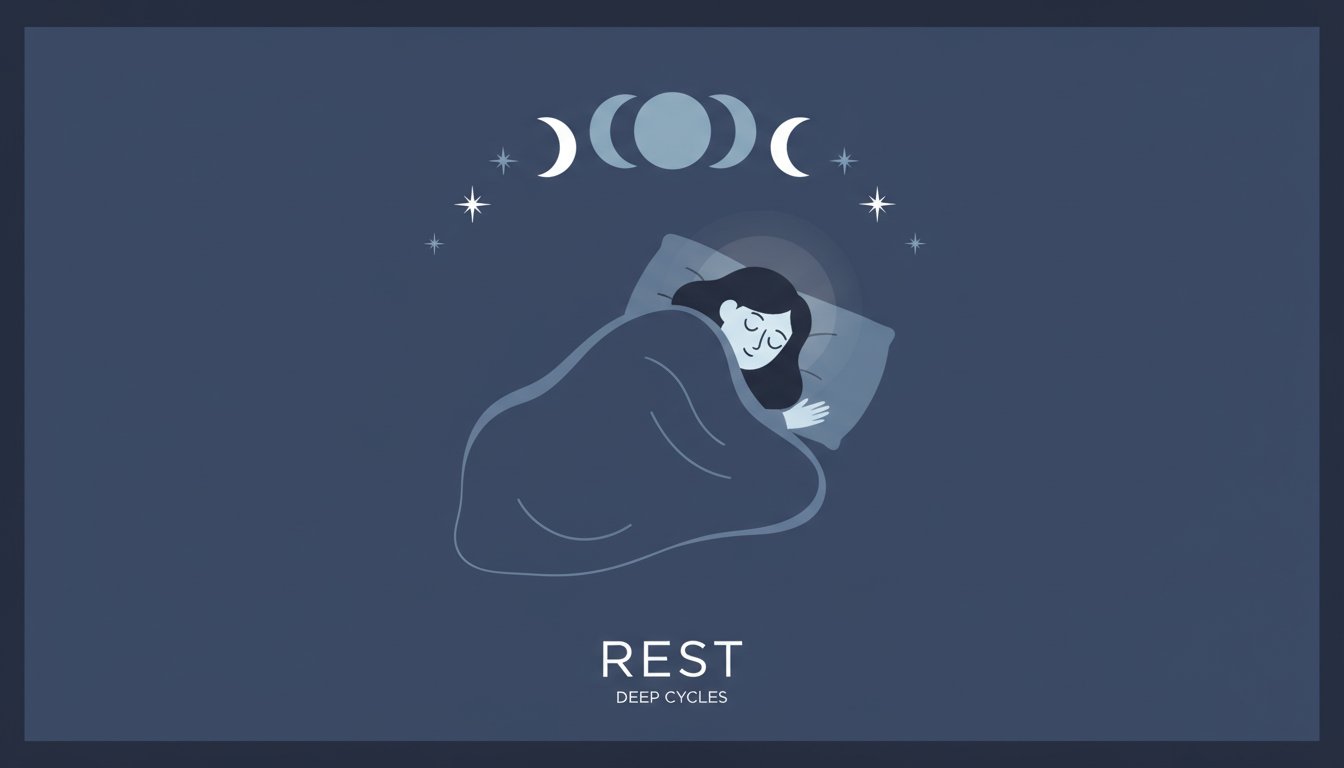
Around the third or fourth week, something remarkable happens. You might notice that you fall asleep faster at night. Caffeine has a long half-life, meaning it stays in your system for hours, often interfering with deep, restorative sleep even if you feel like you "fall asleep fine." Without it, your sleep architecture begins to change.
You will likely find that you wake up feeling more refreshed, rather than needing an external push to get out of bed. This is the moment when many people realize they were never truly tired—they were just stuck in a cycle of poor sleep and chemical stimulation. Tracking these improvements in a journal or using a tracker can help you correlate your caffeine-free streak with your improved mood and cognitive clarity.
Phase Three: The New Normal (Days 61–100)
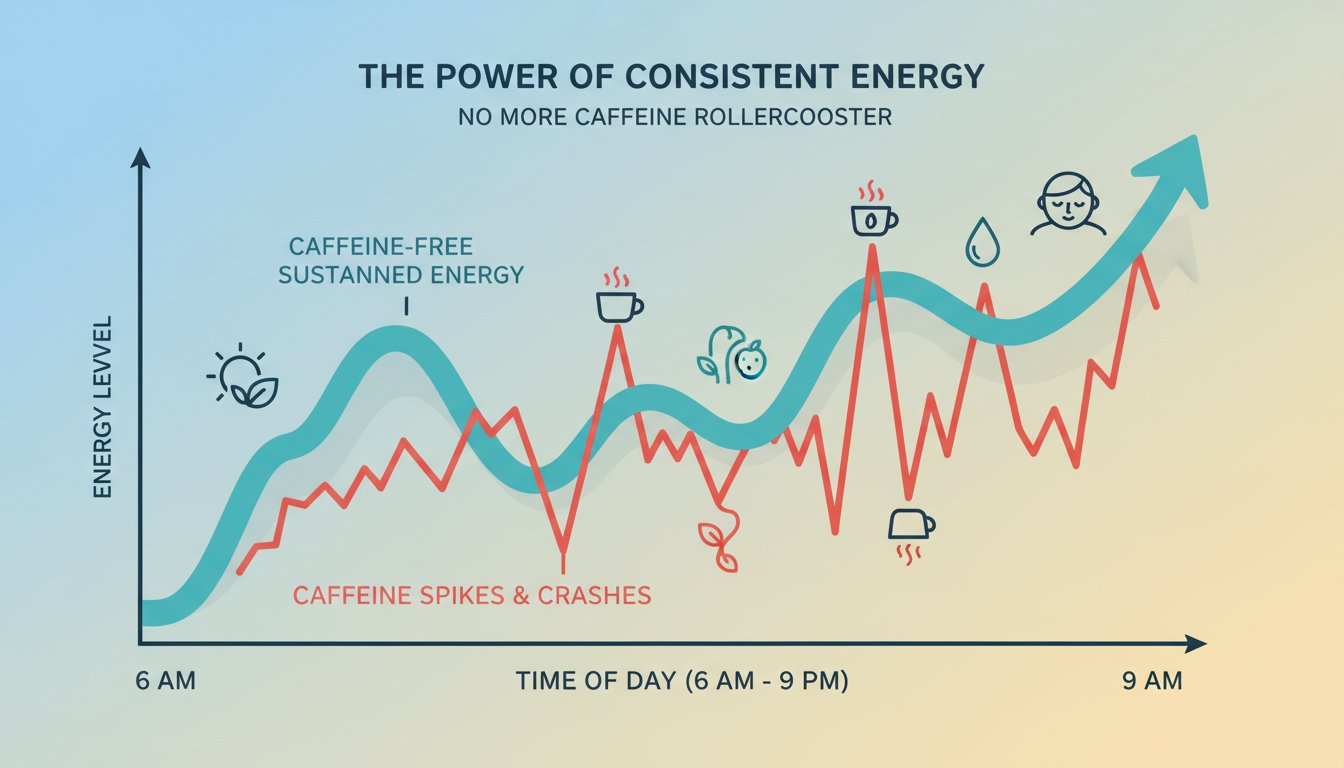
By the time you hit day 60 and beyond, the "need" for coffee often vanishes entirely. You might still enjoy the taste of a warm beverage, but you are no longer a slave to the morning cup. You find that your energy levels are surprisingly stable throughout the day. The afternoon slump, once a guaranteed occurrence around 3:00 PM, often disappears or becomes much easier to manage.
This is where the real transformation takes place. You are no longer living in a state of peaks and valleys. Instead, you have a consistent, steady focus. You find that you can engage with complex tasks without the jittery anxiety that often accompanies a caffeine high. You have effectively reset your relationship with your own energy, proving to yourself that you are in the driver’s seat.
How to Make the 100-Day Journey Sustainable
The biggest obstacle to finishing a 100-day streak is the "just one cup" trap. It is easy to convince yourself that a single latte won't hurt. But the goal here is to allow your adenosine receptors to reach a point of complete rest. Here are a few ways to keep your momentum:
- Replace the Ritual: If you love the act of drinking something warm, switch to herbal tea or warm lemon water. You are replacing the chemical dependence, not the comforting routine.
- Prioritize Morning Light: Get outside within 30 minutes of waking up. Natural sunlight is a far more effective tool for waking up your brain than any stimulant.
- Track Your Success: Seeing your streak grow every day can be incredibly motivating. When you have a visual representation of your progress, you are much less likely to break your chain for a momentary craving.
- Stay Hydrated: Dehydration can mimic the symptoms of caffeine withdrawal, like headaches and fatigue. Drink plenty of water throughout the day to keep your systems running smoothly.
Moving Past the Century Mark
Reaching day 100 is not the end; it is a new beginning. Once you have hit this milestone, you have successfully rewired your habits and given your body the time it needs to heal. You might decide to stay caffeine-free forever, or you might choose to reintroduce it in a mindful, controlled way. The beauty of this process is that you are now the one in control. You have proven that your energy is your own, and that is a powerful realization.
Key Takeaways
- The 100-day threshold allows your body to reset its natural energy cycles: It takes significant time for your adenosine receptors to return to a baseline state after long-term caffeine use.
- Consistency is the key to overcoming withdrawals: The first two weeks are the hardest, but they are temporary. Staying consistent helps you push through the fog to reach the stability on the other side.
- Improved sleep is a primary benefit: By removing a stimulant from your routine, you allow your body to achieve deeper, more restorative rest, which naturally improves your energy levels during the day.
- Tracking your progress makes the goal real: A streak tracker or a simple calendar can help you stay committed. Seeing your daily progress can make big goals feel more achievable, ensuring you keep your focus on the long-term benefits rather than short-term cravings.
Build Better Habits — Track Your Streaks
Set goals, build streaks, and transform your life one habit at a time.