
- Published on
The 12-Week Year: Mastering Quarterly Goal Cycles
Most of us treat our lives like a marathon with a finish line that is perpetually 12 months away. We set resolutions in January, get busy in March, lose momentum by June, and then scramble in December to make up for lost time. This annual cycle is a trap because it gives us the illusion of having "plenty of time." When the deadline feels months away, our brain naturally prioritizes immediate comfort over long-term growth.
What if you stopped thinking in years and started thinking in quarters?
The concept of the "12-week year" changes the game by compressing your annual goals into a single, high-intensity season. By shortening your time horizon, you create a sense of urgency that forces you to focus on what truly matters. When you only have 12 weeks, every day counts, and every wasted afternoon becomes a tangible setback.
Why 12 Weeks Changes Your Focus
Think about the last time you had a deadline approaching in just a few days. You likely worked faster, cut out distractions, and stopped worrying about minor details. That is the power of a shortened time frame. Parkinson’s Law states that work expands to fill the time available for its completion. If you give yourself a year to finish a project, it will take a year. If you give yourself 12 weeks, you will find a way to make it happen in 12 weeks.
Psychologically, a 12-week window is long enough to make significant progress but short enough to keep the end goal in sight. When your goal is "get fit this year," your brain doesn't see a clear path forward. When your goal is "drop 10 pounds in 12 weeks," the path becomes a series of daily actions. You aren't just thinking about the future; you are living in the reality of your current progress.

Designing Your Quarterly Life
To shift into this cycle, you must stop planning for a generic year and start planning for a specific sprint. A 12-week year is not about cramming 12 months of work into three months. It is about identifying the vital few goals that will actually move the needle and ruthlessly cutting the rest.
Start by picking one or two high-impact goals for your current 12-week sprint. These shouldn't be "to-do" list items; they should be milestones that define your growth. Perhaps you want to launch a side project, improve your running stamina, or build a consistent reading habit. Once the goal is set, break it down into smaller, actionable steps that can be tracked weekly.
The magic happens when you treat each week as a mini-year. If you miss a week of progress, you don't wait until next January to reset. You simply adjust your approach for the following week. Keeping a visual record of your progress during these weeks can be incredibly grounding. Using a simple habit tracking app or a manual chart to check off your daily wins helps you stay consistent because you can see your momentum building in real-time.
The Power of the Mid-Point Check-In
A 12-week cycle requires more frequent course correction than an annual one. Around the six-week mark, you should pause to evaluate. Are you on track? Have you been spending your time on the actions that lead to results, or have you been busy with "fake work"?
"Fake work" is the enemy of the 12-week year. It’s the time you spend organizing your desk, color-coding your calendar, or researching tools without actually taking action. By checking in halfway, you can strip away these distractions. You might find that you need to adjust your tactics, but because you are only six weeks in, the pivot is easy to make. You aren't failing; you are simply optimizing your performance.
Moving from Planning to Execution
Many people get stuck in the planning phase. They spend weeks setting up the perfect system, only to lose interest when the actual work gets difficult. The 12-week year is designed to prevent this by forcing execution.
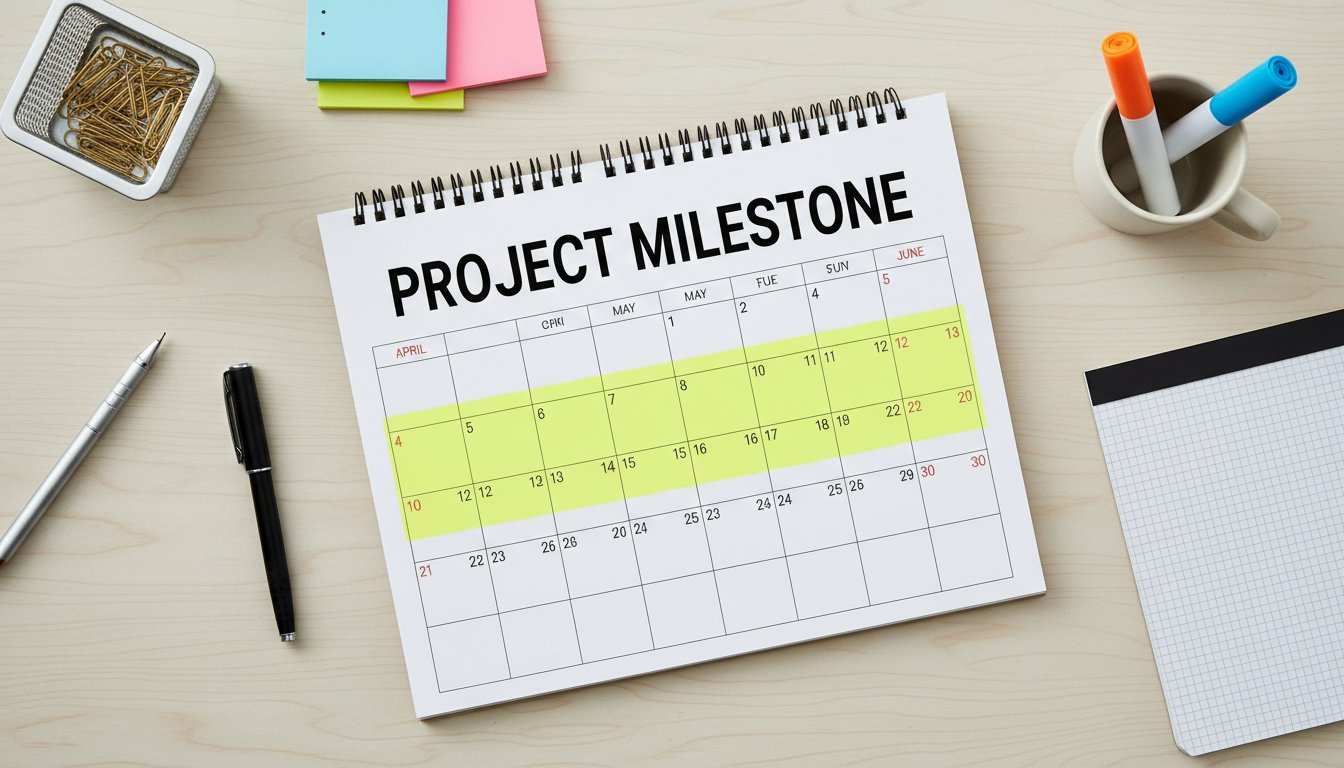
If you are struggling to get started, try using a countdown tool to track the days remaining in your current 12-week cycle. Seeing "72 days left" is a powerful motivator. It shifts your mindset from "I have plenty of time" to "I have 72 opportunities to get this right." This shift from passive waiting to active tracking is what separates those who dream about change from those who actually experience it.
Remember, if you are struggling to maintain this level of focus or if you find yourself feeling overwhelmed by your goals, please reach out to a professional or a trusted person in your life. Growth is a journey, and having a support system makes the process much more sustainable.
Building the Habit of Completion
The real goal of the 12-week year isn't just to finish projects; it’s to build a habit of completion. When you successfully navigate a 12-week sprint, you build confidence in your own ability to execute. You stop being the person who "starts things" and become the person who "finishes things."
By the time you reach the end of your 12 weeks, take a moment to celebrate. Whether you hit every target or made meaningful progress, you have fundamentally changed your relationship with time. You are no longer waiting for the perfect moment or a new year to start your life. You are creating the life you want, one quarter at a time.
Key Takeaways
- Shrink your timeline: Annual goals are too distant to drive daily focus. Break your year into four 12-week sprints to increase urgency and accountability.
- Identify the vital few: You cannot do everything in 12 weeks. Choose one or two high-impact goals and cut out the distractions that don't support them.
- Track your progress: Use habit tracking apps or visual aids to monitor your daily actions. Seeing your progress streak grow every day can be highly motivating and keeps you consistent.
- Pivot, don't quit: Use the mid-point of your 12-week sprint to check your progress. If something isn't working, adjust your tactics immediately rather than waiting for the next year to start over.
- Focus on execution: A countdown tool can help you visualize the time remaining, turning a abstract goal into a tangible, daily commitment. Remember that small, consistent actions are the only way to reach your milestones.
Build Better Habits — Track Your Streaks
Set goals, build streaks, and transform your life one habit at a time.