
- Published on
The 100-Day Walking Streak: Transform Your Body and Mind
Most people think transformation requires a $200 gym membership, a grueling HIIT session that leaves you gasping for air, or a complete pantry overhaul. But here is the thing: the most powerful tool for changing your life is likely sitting right by your front door. It’s your pair of sneakers.
Walking is the most underrated habit in the world. We tend to dismiss it because it feels too easy. We’ve been conditioned to believe that if it doesn’t "burn," it isn’t working. But when you commit to a 100-day walking streak, you aren’t just moving your legs; you are rewiring your brain and building a version of yourself that doesn't quit when things get boring.
Why 100 Days?
You’ve probably heard that it takes 21 days to form a habit. The reality is a bit more complex. Research from University College London suggests it actually takes an average of 66 days for a new behavior to become automatic. By aiming for 100 days, you aren't just forming a habit—you are cementing an identity.
When you hit day 70 or 80, you stop being "someone who is trying to walk more" and start being "a walker." That shift in identity is where permanent change happens.
Psychologically, a 100-day streak leverages the "endowment effect." As your streak grows, the "cost" of breaking it feels higher. You’ve invested so much time and effort into that number that you’ll go for a walk at 9:00 PM in the rain just to keep the streak alive. This isn't just about the physical steps; it's about proving to yourself that you can keep a long-term promise.
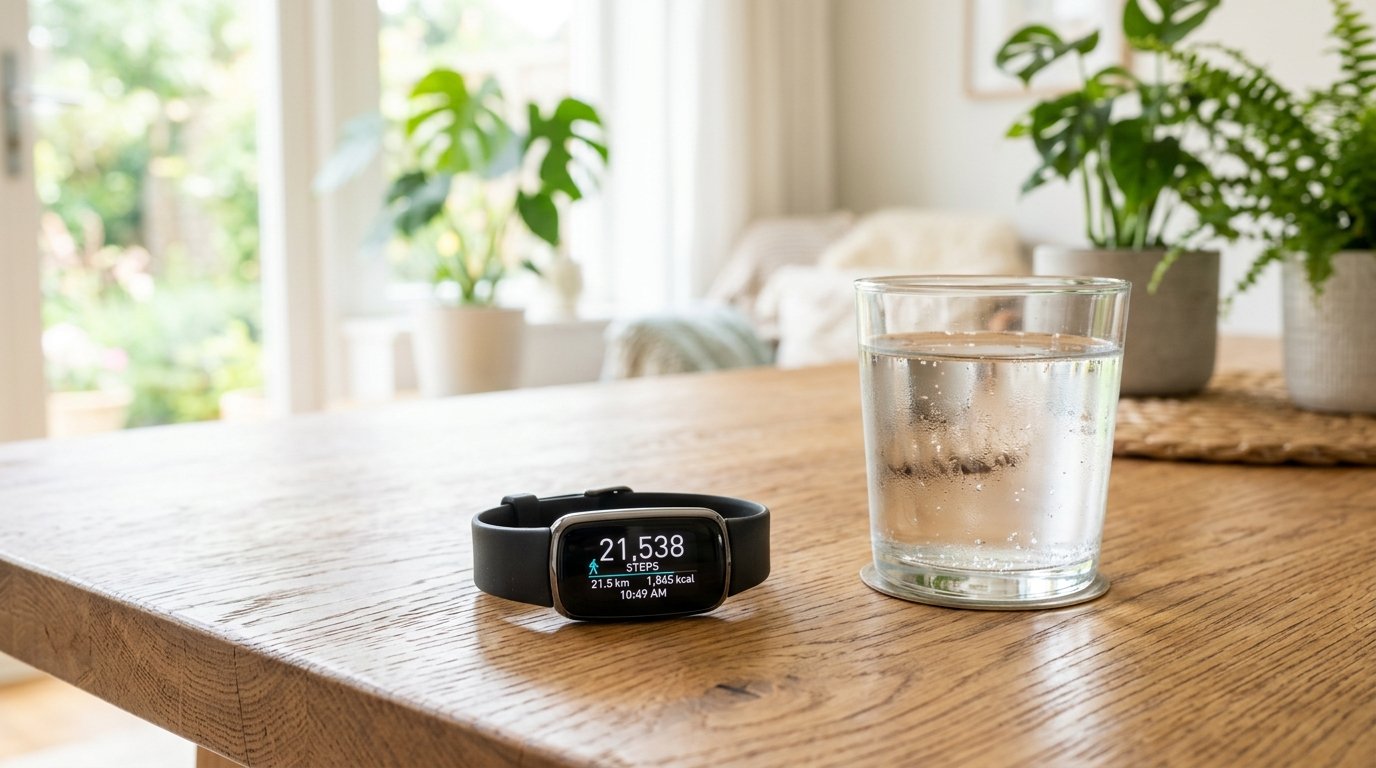
The Milestone Map: What to Expect
A 100-day journey isn't a linear path of sunshine and rainbows. It’s a series of phases, each with its own set of challenges and rewards. Let’s break down what actually happens to your body and mind during these three months.
Days 1–10: The Resistance Phase
This is the hardest part. The novelty is high, but so is the friction. Your brain will offer you a thousand excuses: "It’s too cold," "I’m too busy," or "I’ll just do a double walk tomorrow."
In these early days, the goal isn't distance or speed; it’s simply showing up. Even if you only walk for ten minutes, you must get out the door. You are training your "showing up muscle." Physically, you might feel some slight calf soreness or foot fatigue, but the real battle is entirely between your ears.
Days 11–40: The Physical Adaptation
By the second and third weeks, the initial resistance begins to fade. Your body starts to expect the movement. You’ll likely notice that your sleep quality improves—walking, especially in the morning, helps regulate your circadian rhythm by exposing you to natural light.
This is also where the "active recovery" benefits kick in. Walking increases blood flow to your muscles without the stress of high-impact exercise. You might notice your clothes fitting a little differently or your resting heart rate dipping slightly. But the biggest change is energy. It sounds counterintuitive, but spending energy on a walk actually gives you more energy for the rest of your day.
Days 41–70: The Mental Clarity Phase
This is where the magic happens. Once the physical act of walking becomes automatic, your mind is free to wander. This is often called "transient hypofrontality"—a state where the brain’s logical centers relax, allowing for more creative thinking and problem-solving.
Many people find that their best ideas come during this phase of the streak. You’ll start to look forward to your walks not for the exercise, but for the silence. In a world of constant notifications, a 30-minute walk is a rare sanctuary for your thoughts. Seeing your progress reflected in a streak tracker during this time can provide a massive boost in self-esteem.
Days 71–100: The Identity Shift
You are now in the home stretch. At this point, you don't need a reminder on your phone to go for a walk. It’s just what you do. You’ve likely walked through rain, busy workdays, and tired mornings.
By day 100, the physical transformation—improved cardiovascular health, better digestion, and increased leg strength—is evident. But the mental transformation is even bigger. You have successfully navigated the "boring middle" of a long-term goal. You have built a streak that you are proud of, and that sense of accomplishment spills over into every other area of your life.

How to Stay Consistent When Motivation Fades
Motivation is a feeling, and feelings are fickle. It will be there on day one, but it will almost certainly be gone by day 25. To reach day 100, you need systems, not just willpower.
1. The "Never Miss Twice" Rule
Life happens. You might get sick, or a family emergency might arise. If you truly cannot walk one day, the rule is simple: never miss two days in a row. A single miss is an anomaly; two misses is the start of a new habit of not walking. However, if you are tracking a streak, try to find a "minimum viable walk"—even five minutes around the block—to keep the momentum alive.
2. Habit Stacking
The easiest way to remember your walk is to anchor it to something you already do. Walk immediately after your morning coffee, or right after you close your laptop for the workday. By "stacking" the new habit onto an old one, you reduce the mental energy required to get started.
3. Use "Temptation Bundling"
Only allow yourself to listen to your favorite podcast or an addictive audiobook while you are walking. If you want to hear what happens in the next chapter, you have to get moving. This turns the walk from a "chore" into a "reward."
4. Track Your Progress Visually
There is something deeply satisfying about seeing a visual representation of your hard work. Whether you use a paper calendar or a habit tracking tool, seeing that streak grow becomes a powerful motivator. It’s much harder to quit when you can see 40 days of "wins" staring back at you. Visualizing your progress helps bridge the gap between where you are and the 100-day milestone.
The Long-Term Impact
What happens after day 100? For most, the streak doesn't actually end. You might take a day off, but the habit is so deeply ingrained that you’ll find yourself craving the movement.
You’ll realize that walking isn't just a way to burn calories; it's a way to process stress, connect with your neighborhood, and clear your head. The 100-day walking streak is a gateway habit. Once you prove to yourself that you can be consistent with walking, you’ll start wondering what else you’re capable of. Maybe it’s a 100-day journaling streak or a countdown to a 5K race.
The distance you cover on your feet is important, but the distance you travel in your mind—from "I can't" to "I am"—is the real transformation.
Key Takeaways
- Identity over Intensity: Walking for 100 days builds a "new you" by moving past the point where most people quit.
- The 66-Day Rule: Real habit automation happens around the two-month mark; 100 days ensures the habit is permanent.
- Mental Health Benefits: Beyond the physical perks, walking reduces cortisol and boosts creativity through mental "white space."
- Systems Over Willpower: Use habit stacking, temptation bundling, and streak tracking to stay consistent when you don't feel like it.
- Start Small: On days when you have zero energy, commit to just five minutes. Keeping the streak alive is more important than the mileage.
Tracking your daily progress can turn a daunting 100-day goal into a series of small, satisfying wins.
Build Better Habits — Track Your Streaks
Set goals, build streaks, and transform your life one habit at a time.