
- Published on
The 100-Day Skill Acquisition Challenge
Have you ever looked at a guitar gathering dust in the corner, or that stack of language books you bought three years ago? We all have that one skill we’ve always wanted to master, but we let it slip away because "someday" never seems to arrive. We wait for the perfect moment of inspiration or a block of free time that never appears.
Here is the truth: inspiration is a myth. The people you admire for their talent—the fluent speakers, the skilled coders, the artists—didn't wait for a spark. They treated skill acquisition like a manual labor project. They showed up, tracked their progress, and refused to let a day pass without moving the needle forward. The 100-Day Skill Acquisition Challenge isn't about becoming a world-class expert in three months; it’s about proving to yourself that you can build an identity through consistent, measured action.
Why 100 Days Changes Everything
The biggest enemy of learning isn't a lack of talent; it’s the lack of a feedback loop. When you learn something new, the initial excitement is high. But after a week or two, the progress slows down, the novelty fades, and the "dip"—the period where the work feels hard and the results aren't yet visible—sets in. Most people quit here.
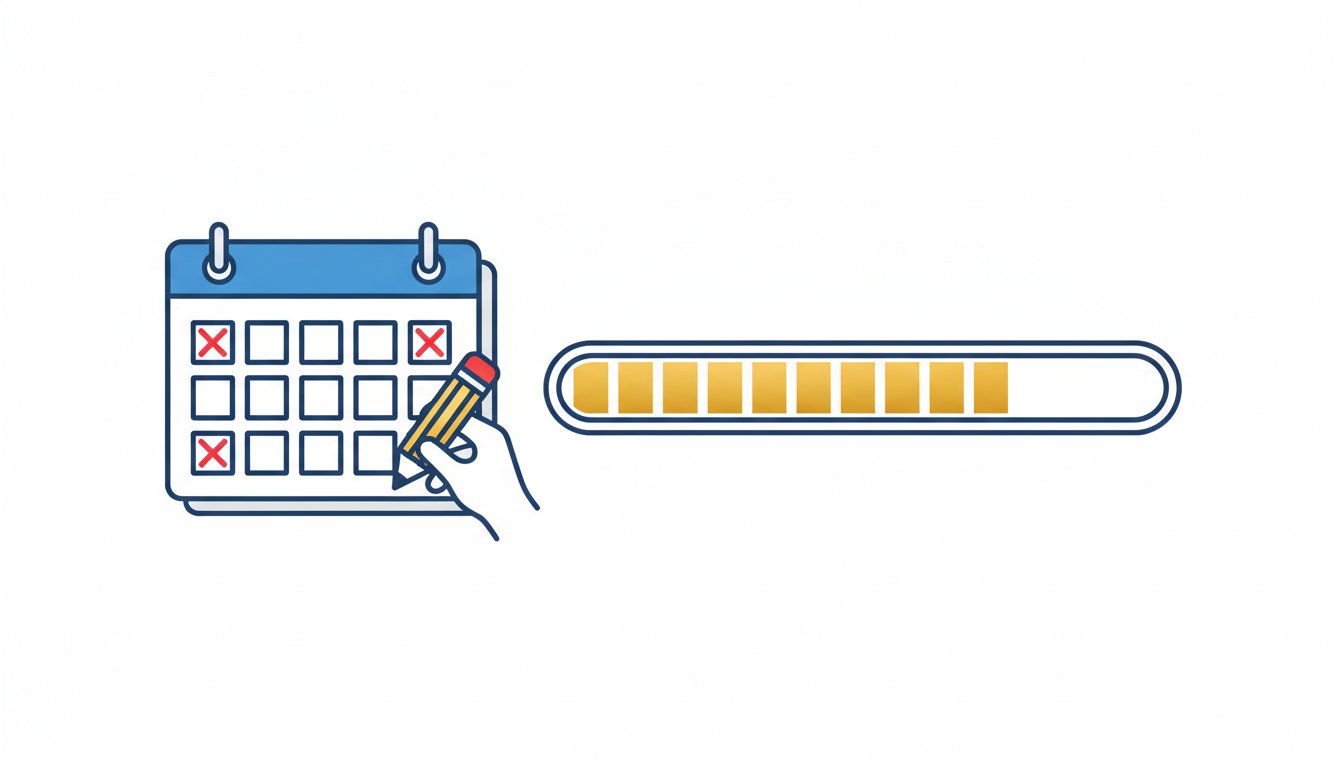
By setting a 100-day horizon, you shift your focus from the massive, intimidating goal (e.g., "becoming a pianist") to the manageable milestone (e.g., "30 minutes of practice for 100 days"). Psychology suggests that when we track our progress, we trigger a dopamine response that reinforces the behavior. Seeing a physical record of your time spent—a streak of practice hours—transforms your identity from "someone who wants to learn" to "someone who is currently learning."
Designing Your 100-Day Sprint
You don't need eight hours a day to master a skill. In fact, deep, focused practice is far more effective than marathon sessions. The goal here is consistency. If you want to learn to draw, for instance, don't aim for a masterpiece on day one. Aim for a 20-minute sketching session.
1. Define the "Micro-Outcome"
If your goal is too vague, your brain will struggle to find a starting point. Instead of "learning Spanish," aim for "completing 100 lessons on basic conversation." Break your skill down into small, bite-sized components that you can tackle in short bursts.
2. Establish Your Trigger
Habits thrive on cues. If you want to practice your new skill, attach it to a part of your day that already exists. "After I pour my morning coffee, I will open my workbook for 15 minutes." By anchoring your practice to an existing habit, you eliminate the mental friction of deciding when to do it.
3. Track Every Minute
This is where the magic happens. Whether you use a physical journal, a spreadsheet, or habit tracking apps, you must record your time. There is something profoundly satisfying about seeing a streak of 20, 50, or 80 days. When you see that visual representation of your discipline, you’ll find that you don't want to break the chain. It’s not just about the skill anymore; it’s about honoring the commitment you made to yourself.
Managing the Mid-Point Slump
Around day 40, you will likely hit a wall. You might feel bored, or perhaps you'll convince yourself that you aren't making enough progress. This is the moment where most people falter.
When you feel the urge to skip a day, remind yourself of the "never miss twice" rule. Life happens—you might get sick, have a busy workday, or simply feel exhausted. Missing one day is a blip; missing two days is the beginning of a new, non-learning habit. Use your tracking tools to look back at the previous 40 days. Remind yourself that you have already built a foundation.

If you're finding it hard to stay motivated, consider using countdown tools to mark the end of your 100-day challenge. Knowing exactly how many days are left can turn the finish line into a tangible reality rather than an abstract concept. If you're struggling with the intensity of the challenge, please reach out to a professional or a trusted person in your life—sometimes, we simply need a bit of support to get through a mental block.
Moving Beyond Day 100
What happens when you hit day 100? You will have clocked roughly 50 to 100 hours of deliberate practice. That is enough to move from "total novice" to "competent beginner" in almost any field. You will have built the habit of showing up, which is a skill more valuable than the subject matter itself.
Once you finish, you don't stop. You look at what you’ve built and decide on the next level. Maybe you continue the streak, or maybe you pivot to a new challenge. The beauty of this system is that you’ve proven to yourself that you are the type of person who finishes what they start.
Key Takeaways
- Consistency beats intensity: 20 minutes a day for 100 days will yield better results than one 5-hour practice session once a week.
- Track your progress: Use habit tracking apps or a simple journal to maintain a visual record of your streak. Seeing your progress every day reinforces your identity as a learner.
- Embrace the "never miss twice" rule: If you slip up, get back on track immediately. The goal is to avoid the decay that comes from skipping multiple days.
- Make the future feel real: Using countdown tools to track the days remaining in your challenge can keep your excitement levels high as you approach your milestone.
- Start today: Don't wait for a Monday or the start of a month. Your 100-day journey begins the moment you decide to put in the first 15 minutes of work.
Build Better Habits — Track Your Streaks
Set goals, build streaks, and transform your life one habit at a time.