
- Published on
The 100-Day No-Complaint Streak: Building Resilience
You’ve probably had one of those mornings where everything goes sideways. The coffee spills, the traffic is gridlocked, and your inbox is already overflowing. The immediate, almost automatic reaction is to vent. You tell your partner, text a friend, or mutter under your breath about how unfair it all is. We often treat complaining like a harmless pressure-release valve, but have you ever stopped to consider what it’s doing to your brain?
Complaining is not just a conversation filler. Research in neuroscience suggests that frequent negative thinking can actually weaken neural pathways associated with problem-solving and focus. When you dwell on what’s wrong, your brain creates a loop that looks for more of the same. By committing to a 100-day no-complaint streak, you aren’t just trying to be "positive"—you are physically training your brain to scan for solutions instead of obstacles.
Why 100 Days?
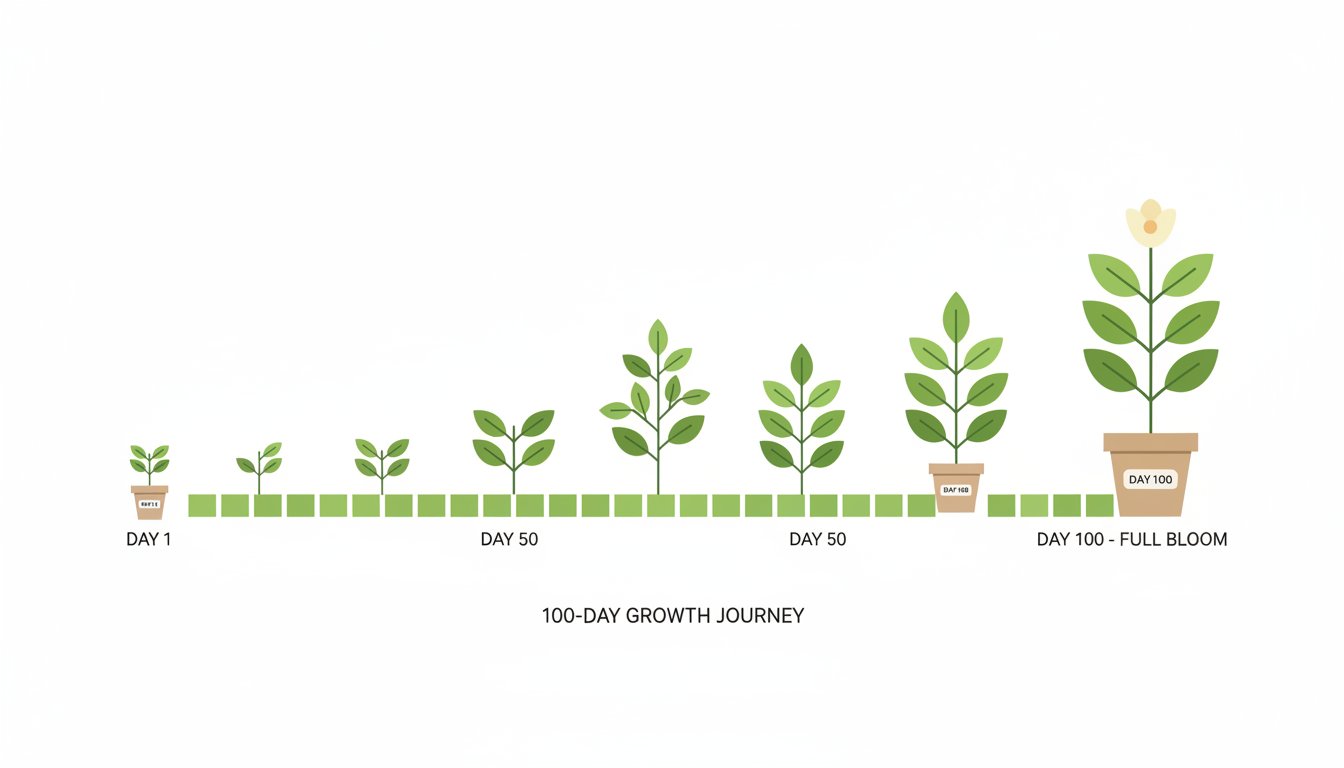
The beauty of a 100-day timeline lies in its capacity to shift your identity. A week of avoiding complaints is a challenge; a hundred days is a lifestyle change. When you commit to this length of time, you move past the "newness" of the habit and enter a phase of deep rewiring. You stop seeing yourself as a person who complains and start seeing yourself as a person who navigates challenges with grace and agency.
Think about the last time you complained. Was it about something you could actually control? Usually, complaining is a byproduct of feeling powerless. When you take away that outlet, you force yourself into a corner where you have only two options: accept the situation as it is, or take action to change it. This is where the real growth happens.
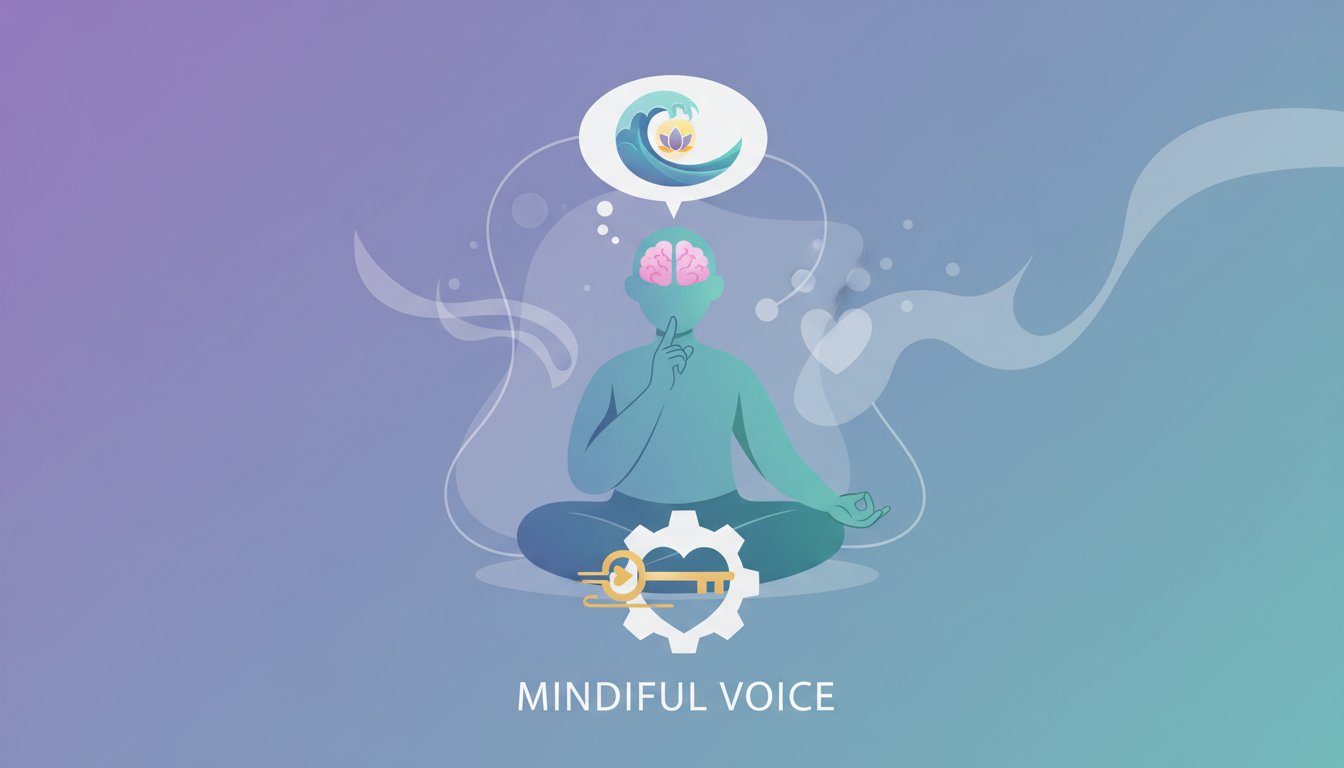
The Psychology of the Complaint Loop
Our brains have a natural negativity bias. We are evolutionarily wired to spot threats and focus on what’s wrong because, historically, that kept us alive. In the modern world, however, this bias keeps us stuck in a state of low-grade anxiety. Every time you complain, you reinforce the neural pathway that says, "This is a problem, and I am a victim of it."
By tracking your streak, you introduce a layer of accountability that helps break this loop. When you know you are on day 42 of a no-complaint streak, you are far less likely to vent about a minor annoyance. You become hyper-aware of your internal monologue. You start to catch yourself mid-sentence, realizing that a complaint is nothing more than an unhelpful distraction from the progress you are trying to make. Seeing your progress recorded in a habit tracking tool can make that daily awareness feel tangible and rewarding.
How to Start Your 100-Day Streak
The biggest mistake people make when starting this challenge is trying to be "perfect" from day one. You will slip up. You will vent about the weather or a rude stranger. That doesn’t mean you’ve failed; it means you’re human. The goal isn't to be a robot devoid of emotion; it’s to build the muscle of choosing a different response.
- Define what counts as a complaint. Is it just verbal grumbling, or does it include negative self-talk? Be clear with yourself about the boundaries of your challenge.
- Find a replacement behavior. When you feel that urge to complain, what will you do instead? Could you express gratitude for one thing, or simply pivot to asking, "What is one thing I can do to make this better?"
- Use a tracker. A simple visual representation of your progress is powerful. Marking an "X" on a calendar or using a digital tracker helps you visualize your momentum. If you break the streak, don't quit. Treat it as data, reset, and start again.
Turning Challenges into Opportunities
As you reach the halfway mark—around day 50—you’ll notice a shift in how you perceive the world. You’ll stop seeing inconveniences as personal attacks. Instead, you might see them as puzzles to solve. You’ll find that people around you start reacting differently, too. Negativity is contagious, but so is calm, composed problem-solving.
There will be days when life feels genuinely difficult. It is important to remember that this challenge is about managing your response to life, not suppressing your emotions. If you are dealing with significant grief, stress, or trauma, a "no-complaint" rule should never be used to silence your need for support. If you're struggling, please reach out to a professional or a trusted person in your life. Resilience is not about suffering in silence; it is about finding constructive ways to communicate your needs.
Maintaining Momentum
The final stretch of your 100-day journey is where the magic happens. By day 80, your brain has likely forged new pathways. You’ll find yourself pausing before you speak, evaluating whether a comment adds value or just noise. You are no longer just avoiding complaints; you are actively curating your environment.
Consistency is the secret sauce here. It’s not about one grand gesture; it’s about the 100 small decisions to stay the course. When you hit that 100th day, you’ll likely find that you don’t even want to go back to your old ways. The mental clarity and emotional peace you’ve gained are far more valuable than the fleeting relief of a quick vent session.
Key Takeaways
- Complaining is a habit, not a necessity. It reinforces neural pathways that focus on problems rather than solutions, effectively keeping you stuck in a cycle of negativity.
- 100 days is the sweet spot for identity change. Long-term tracking allows you to move beyond temporary willpower and actually rewire your brain’s response to stress.
- Tracking helps you stay accountable. Whether you use a physical log or a digital tracking app, seeing your progress builds the motivation to keep going even when the days get tough.
- Resilience is a skill, not a trait. By replacing complaints with problem-solving or gratitude, you build the capacity to handle life’s challenges with a steady, proactive mindset.
- Be kind to yourself during the process. A broken streak is just a moment to reset and learn; tracking your days since your last slip-up can help you build resilience and get back on track quickly.
Build Better Habits — Track Your Streaks
Set goals, build streaks, and transform your life one habit at a time.