
- Published on
Temptation Bundling: Pair Your Desires with Discipline
You’ve probably been there: sitting on the couch, scrolling through your favorite show, while a pile of laundry stares at you from the corner of the room. You know you should get up. You know you’ll feel better once the chores are done. But the pull of the screen is just too strong, and the effort required to start the "productive" task feels like climbing a mountain.
The struggle isn’t that you’re lazy. The struggle is that your brain is hardwired to prefer instant gratification over long-term rewards. We are biologically designed to seek out things that make us feel good now—like chocolate, social media, or Netflix—rather than things that benefit us later—like exercise, meal prepping, or cleaning. This is where most of our New Year’s resolutions go to die. We try to rely on pure willpower to do the hard things, but willpower is a finite resource that runs out quickly after a long day at work.
Here’s the thing. What if you didn't have to choose between what you want to do and what you need to do? What if you could use your "guilty pleasures" to actually fuel your productivity? This is the core of a strategy called temptation bundling. It’s a simple, evidence-based way to bridge the gap between your present self and your future self.
What Exactly is Temptation Bundling?
Temptation bundling is a concept popularized by Dr. Katy Milkman, a professor at The Wharton School. The idea is straightforward: you only allow yourself to engage in a "temptation" (something you love doing) while you are simultaneously performing a "need" (a habit that is good for you but requires discipline).
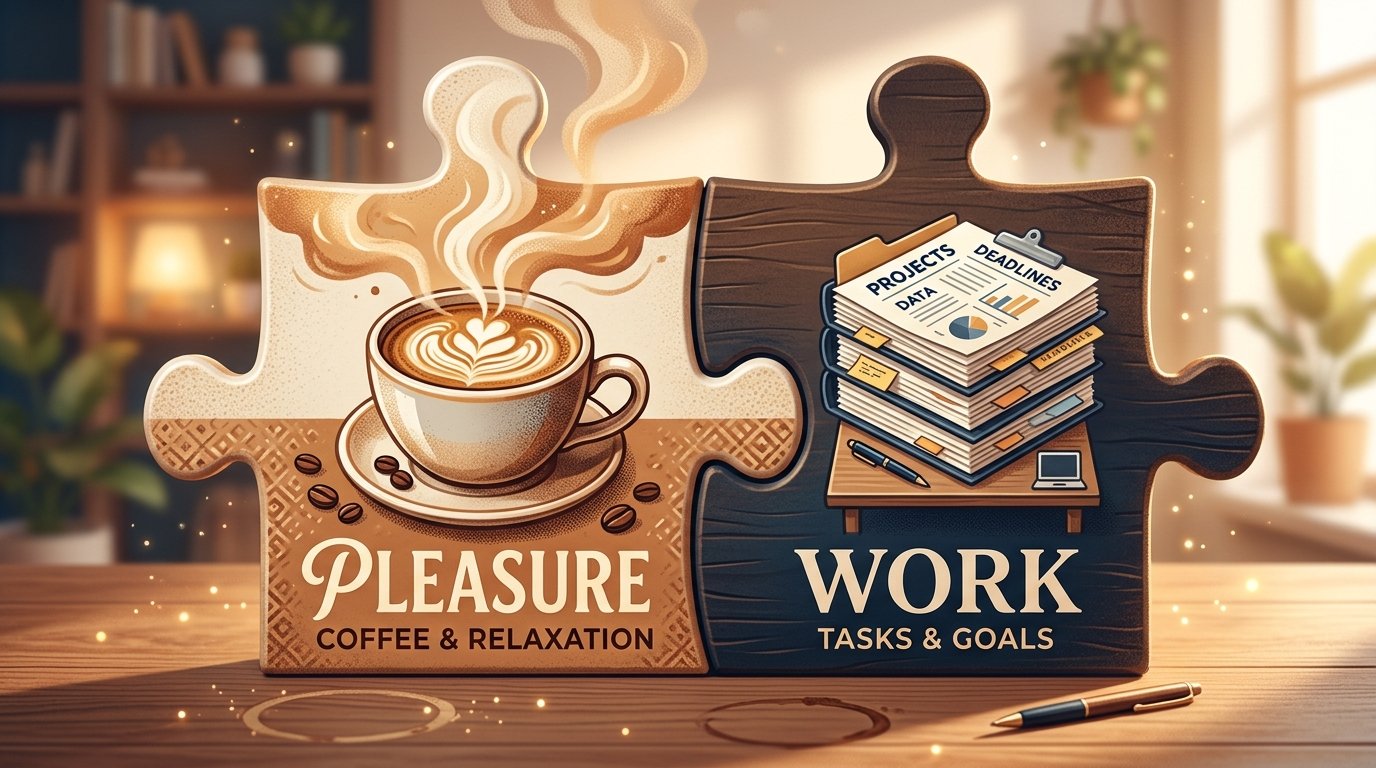
Think of it as a marriage between your desires and your duties. Instead of rewarding yourself with a treat after you do something hard, you do them at the exact same time. This creates an immediate positive association with a task that usually feels like a drag. You aren't just "getting through" the workout; you're finally catching up on that addictive podcast that you only listen to at the gym.
This isn't just a life hack; it’s a psychological commitment device. By bundling these two activities, you solve two problems at once. You reduce the "cost" of the difficult habit by making it more enjoyable, and you reduce the "guilt" of the temptation by making it a productive event.
The Science of Why It Works
To understand why this works so well, we have to look at how dopamine functions in the brain. Dopamine is often called the "pleasure chemical," but it’s actually more about "anticipation" and "craving." When you think about watching your favorite show, your brain releases dopamine, which motivates you to pick up the remote.
On the other hand, chores like washing dishes or running on a treadmill don't usually trigger a dopamine spike—at least not initially. By bundling the two, you "hijack" the dopamine from the fun activity and apply it to the difficult one. Over time, your brain begins to associate the treadmill with the excitement of the show.
Research suggests that this is far more effective than traditional "if-then" rewards. In one of Milkman’s studies, participants were given an iPod loaded with an addictive audiobook (like The Hunger Games) that they could only listen to while at the gym. The results were clear: those who had the "bundled" temptation visited the gym 51% more often than the control group.
But there’s a catch. For temptation bundling to work, you have to be strict with the rules. If you start listening to that audiobook while driving or lying in bed, the "bundle" breaks. The magic only happens when the two are inseparable.
How to Create Your Own Temptation Bundle
Creating a bundle is a simple three-step process. You don't need a complex system; you just need a bit of self-honesty about what you actually enjoy and what you’ve been avoiding.
Step 1: Create Two Lists
Take a piece of paper and draw a line down the middle. On the left side, list your "Wants." These are the things you find yourself doing when you're procrastinating. It might be listening to true crime podcasts, eating a specific snack, watching reality TV, or browsing a specific subreddit.
On the right side, list your "Needs." These are the habits you want to build or the chores that constantly get pushed to next week. This could be folding laundry, walking on the treadmill, answering boring emails, or flossing your teeth.
Step 2: Find the Perfect Match
Look at your two lists and see where the overlaps are. You’re looking for activities that can be done at the same time without one distracting too much from the other. For example, you can’t read a book while playing tennis, but you can listen to an audiobook while jogging.
Step 3: Set the Rule
Write down your bundle in a simple sentence: "I will only [Want] while I am [Need]."
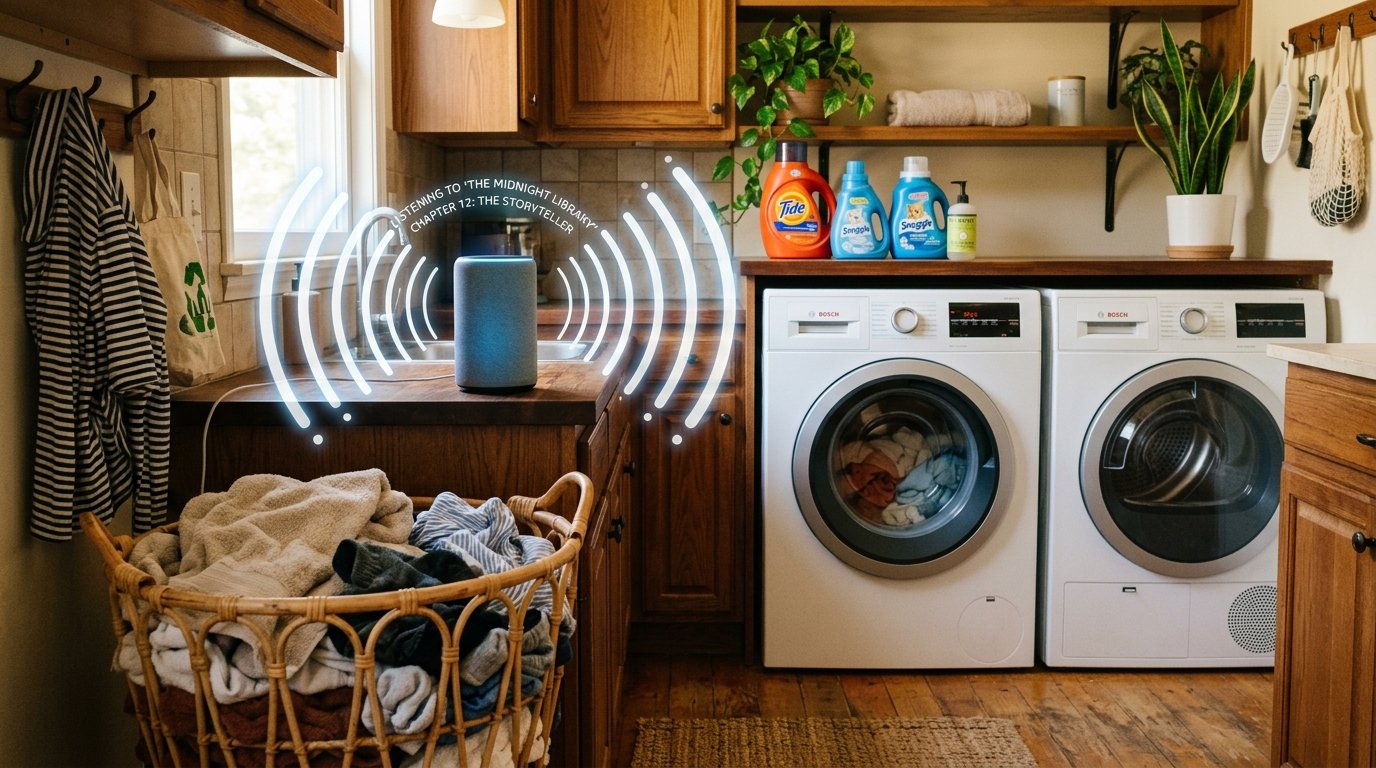
- "I will only listen to my favorite podcast while I am folding laundry."
- "I will only drink my expensive gourmet coffee while I am clearing my work inbox."
- "I will only watch Netflix while I am on the stationary bike."
Real-World Examples to Get You Started
If you’re struggling to visualize how this looks in daily life, here are some common bundles that people find highly effective.
The "Household Hero" Bundle Many people find household chores draining. Try only listening to your favorite comedian or a high-energy playlist while you scrub the bathroom or do the dishes. If you’re a fan of audiobooks, save the most suspenseful chapters for when you’re meal prepping for the week.
The "Gym Junkie" Bundle This is the classic Milkman example. Save your favorite "trashy" TV show for the gym. If the show is 45 minutes long, that’s 45 minutes of cardio you’ve just performed without checking the clock every two minutes. Setting a countdown for your "fun" time makes the focus period feel shorter and more manageable.
The "Office Productivity" Bundle If you have a mountain of administrative tasks, bundle them with a specific "work-only" treat. Maybe there’s a specific tea you love or a certain type of instrumental lo-fi music that makes you feel focused. Only allow yourself those treats when you are tackling the "boring" parts of your job.
Avoiding the Common Pitfalls
While temptation bundling is powerful, it’s not foolproof. There are a few ways people accidentally sabotage their progress.
First, don't pick a "want" that is too distracting. If you try to watch a complex, subtitled foreign film while doing your taxes, you’re probably going to mess up your taxes. The "need" task should be something that is somewhat "automatic" or doesn't require 100% of your cognitive load if the "want" is highly engaging.
Second, avoid the "overflow" effect. This is when you finish the chore but keep doing the temptation. If you finish folding the clothes but stay on the couch for three more episodes, the bundle has lost its power. You must have the discipline to stop the fun part as soon as the productive part is over.
Third, remember that this is a tool for consistency, not necessarily for "peak performance." If you are training for a marathon and need to focus on your heart rate and form, watching a movie might not be the best idea. But if your goal is simply to get to the gym and move your body, then bundling is perfect.
Tracking Your Success
The biggest challenge with any new habit is keeping the momentum going after the initial excitement wears off. This is where visual progress becomes essential. When you see a record of your behavior, it reinforces your new identity as a disciplined person.
Tracking your streak can turn this experiment into a permanent lifestyle change. There is something incredibly satisfying about seeing a "10-day streak" of bundling your chores with your favorite music. It turns the habit into a game. You don't want to "break the chain," so you find yourself looking for chores to do just so you can keep the streak alive.
Seeing those days since you started bundling can give you the momentum to keep going on the days you feel lazy. It shifts your perspective from "I have to do this" to "I’ve done this for three weeks straight, I'm not stopping now."
A Note on Mental Health
While temptation bundling is a fantastic tool for productivity and habit building, it’s important to recognize when the struggle to "get things done" is deeper than just a lack of motivation. If you find that you are consistently unable to perform basic tasks, or if your lack of motivation is accompanied by feelings of hopelessness or extreme anxiety, it might be more than just procrastination.
If you're struggling, please reach out to a professional or a trusted person in your life. Sometimes we need more than a productivity hack; we need support and care.
Final Thoughts: Start Small
You don’t need to overhaul your entire life tomorrow. In fact, if you try to bundle ten different things at once, you’ll likely burn out by Wednesday. Pick one "need"—the one that’s been bothering you the most—and pair it with one "want" that you truly look forward to.
Temptation bundling is about making the journey toward your goals a little more pleasant. We often think that discipline has to be miserable to count, but that’s a myth. The most successful people aren't the ones with superhuman willpower; they are the ones who have designed their environment to make the right choices the easiest choices.
Give yourself permission to enjoy your temptations, provided they help you become the person you want to be.
Key Takeaways
- Pair a "Want" with a "Need": Only allow yourself to enjoy a guilty pleasure while performing a task you usually avoid.
- Use the Dopamine Hijack: Leverage the brain's natural craving for instant rewards to fuel long-term habits.
- Be Strict with the Rules: The bundle only works if the "want" is strictly reserved for the "need" activity.
- Track Your Progress: Visualizing your streaks or using a countdown for your sessions can significantly increase your consistency.
- Focus on Consistency Over Intensity: Use bundling to lower the barrier to entry for difficult tasks, making it easier to show up every day.
Build Better Habits — Track Your Streaks
Set goals, build streaks, and transform your life one habit at a time.