
- Published on
Keystone Habits: The One Change That Resets Your Life
We’ve all been there. You wake up on a Monday morning with a list of twelve things you’re going to change. You’re going to eat clean, wake up at 5:00 AM, meditate for twenty minutes, hit the gym, and finally organize that cluttered spare room. By Wednesday afternoon, the exhaustion sets in. By Friday, you’re back to your old routines, feeling more defeated than when you started.
The problem isn't your willpower. The problem is that you’re trying to rewire your entire life at once, which is a recipe for burnout. Real, lasting change doesn't happen by attacking every front simultaneously. Instead, it happens when you identify the "lead domino"—the one habit that, when knocked over, causes a chain reaction of positive behavior across your entire life. In psychology, these are known as keystone habits.
What Exactly is a Keystone Habit?
The term was popularized by Charles Duhigg in his book, The Power of Habit. He noticed that some habits have the power to displace, create, and remake other patterns. A keystone habit is a behavior that doesn't just improve one area of your life; it starts a process that, over time, transforms everything.
Think of it like a bridge. The keystone is the stone at the very top that holds the entire structure together. If you remove it, the bridge collapses. If you set it firmly, the rest of the structure gains incredible strength. Keystone habits work because they change your sense of self. They provide "small wins" that help you believe that change is actually possible.

The Psychology of the Domino Effect
Why does one habit have more power than another? It comes down to something called "behavioral contagion." When you successfully commit to one difficult but rewarding task, your brain begins to rewire its perception of what you are capable of.
Research suggests that keystone habits create a "culture" within your own mind. For example, when people start a consistent exercise routine, they often find themselves naturally eating better, even if they didn't consciously try to diet. They start waking up earlier. They become more productive at work. They even start using their credit cards less frequently.
The exercise itself didn't magically make them better at math or more disciplined with money. Instead, the habit of exercise changed their identity. They began to see themselves as "the kind of person who is disciplined." Once that identity shift happens, the other habits follow because we all have a deep-seated psychological need to remain consistent with who we believe we are.
4 Powerful Keystone Habits to Start Today
If you’re looking to reset your life, you don't need a hundred changes. You just need one. Here are four of the most effective keystone habits that have been shown to trigger a massive domino effect.
1. Exercise (The Master Keystone)
Exercise is perhaps the most famous keystone habit. It’s not just about physical health. When you commit to moving your body—even for just 20 minutes a day—you’re training your brain to handle discomfort. This builds "grit."
As you see your fitness levels improve, you naturally start to value your health more in other areas. You might think, “I just worked hard at the gym; I don’t want to ruin it with a greasy burger.” That is the domino effect in action. Tracking your progress, perhaps by watching a streak grow on a habit tracking app, can make this even more effective by giving you a visual sense of momentum.
2. Daily Planning and Review
Spending ten minutes every night planning the following day is a keystone habit for productivity. When you enter the day with a plan, you reduce "decision fatigue." You aren't wasting mental energy wondering what to do next; you simply follow the script. This habit often leads to better sleep (because your brain isn't racing with tomorrow's tasks) and reduced stress levels.
3. Tracking Your Spending
Many people find that keeping a daily log of every dollar they spend serves as a keystone habit for self-discipline. It forces a level of mindfulness that spills over into other areas. When you are conscious of where your money goes, you often become more conscious of how you spend your time and what you put into your body.
4. Meditation or Mindfulness
A five-minute daily meditation habit is a keystone for emotional regulation. It teaches you to pause between a stimulus and your reaction. This "gap" is where your power lies. People who meditate often find they are less reactive in their relationships, more focused at work, and less likely to engage in impulsive bad habits like smoking or overeating.
If you're struggling with deep-seated habits or mental health challenges, please reach out to a professional or a trusted person in your life.
How to Identify Your Own Keystone Habit
Not every habit is a keystone habit for every person. To find yours, look for the activity that makes everything else feel easier.
Ask yourself:
- "When I do [X], does the rest of my day usually go better?"
- "What is the one thing that, if I skip it, makes me feel like I've lost control of my routine?"
- "Which habit gives me the greatest sense of accomplishment?"
For some, it’s making the bed. For others, it’s a morning walk or a specific evening routine. The key is to find the one that gives you a "small win" early in the day. These small wins are the fuel for larger changes. They prove to your subconscious that you can set a goal and hit it.
The Secret to Making It Stick: The Power of the Streak
The biggest mistake people make with keystone habits is overcomplicating them. If your keystone habit is exercise, don't start with a 90-minute bodybuilding routine. Start with a 15-minute walk. The goal isn't the intensity; it's the consistency.
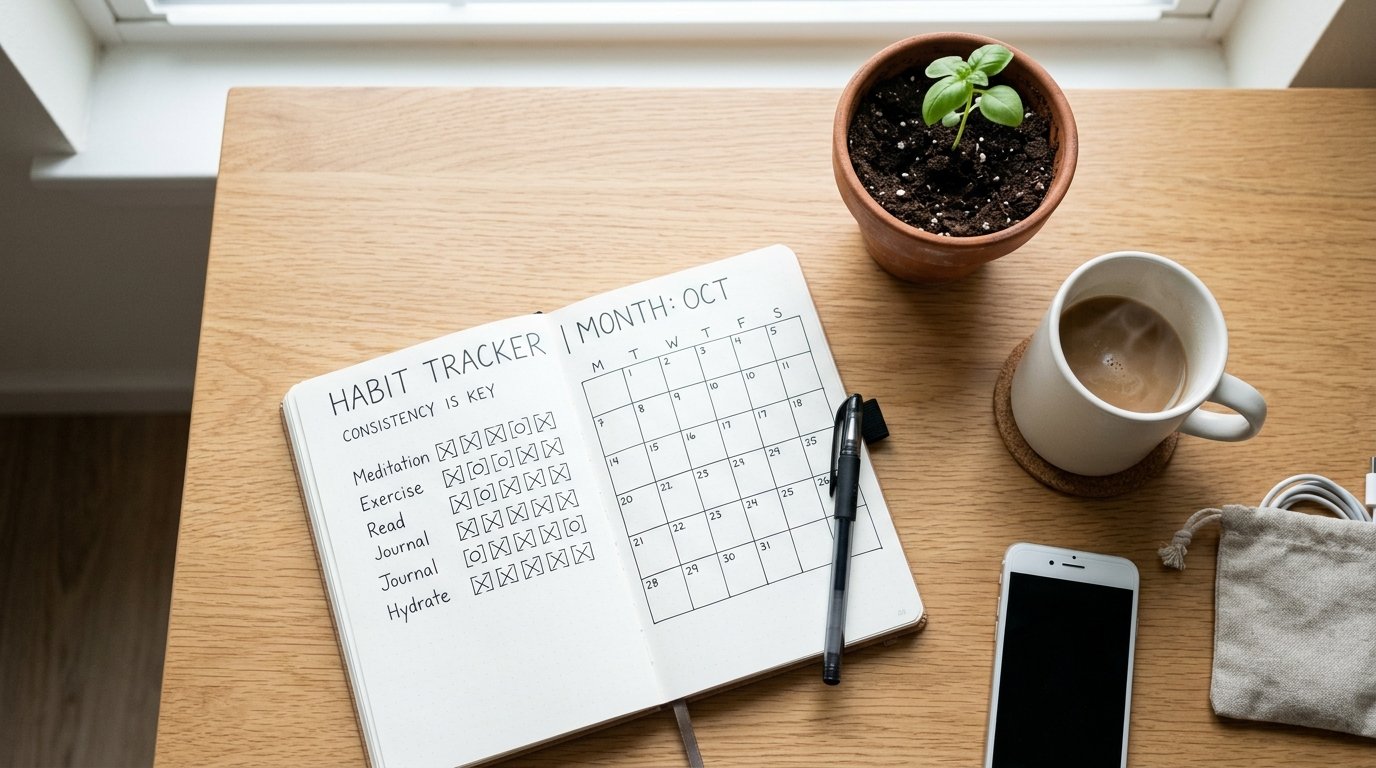
This is where tracking becomes your best friend. There is something deeply satisfying about seeing a visual representation of your progress. Whether it’s a physical calendar on the wall or a digital tool, seeing a "30-day streak" creates a psychological urge to "don't break the chain."
That streak represents more than just 30 days of an activity. It represents 30 days of you showing up for yourself. It’s a countdown to a new version of you. When you focus on just that one streak, the pressure of "changing your whole life" disappears. You aren't trying to be perfect; you’re just trying to keep the number going.
Transitioning from Motivation to Discipline
Motivation is what gets you started on Monday morning. Discipline is what keeps you going on a rainy Thursday when you’re tired. Keystone habits help bridge this gap because they eventually become automatic.
Once a keystone habit is truly locked in—usually after about 60 to 90 days of consistent tracking—you don't have to think about it anymore. It becomes part of your "default settings." At that point, you can look back and realize that by changing just one thing, you’ve accidentally changed everything. Your energy is higher, your focus is sharper, and your confidence has skyrocketed.
That is the power of the keystone. It’s not about doing more; it’s about doing the right thing first.
Key Takeaways
- Find the Lead Domino: Identify one habit that naturally encourages other positive behaviors, like exercise or daily planning.
- Start Small: Don't aim for perfection; aim for a "small win" that builds your confidence and identity.
- Focus on the Identity Shift: Use your keystone habit to prove to yourself that you are a disciplined, capable person.
- Track Your Progress: Use a streak or a countdown tool to stay motivated. Seeing your progress visually can help you push through the days when your motivation is low.
- Be Patient: Real life-resets take time. Focus on the one change today, and let the domino effect handle the rest.
Build Better Habits — Track Your Streaks
Set goals, build streaks, and transform your life one habit at a time.