
- Published on
How to Stop Habit Decay Before Your Streak Breaks
You told yourself you'd read for 30 minutes every night. But lately, your reading session has dwindled to a single, rushed paragraph scanned in bed at 11:59 PM. Your eyes are half-closed, and you barely process the words. Yet, you tap the checkmark on your screen, letting out a sigh of relief. The streak is safe. For now.
But let's be honest. Are you actually building a reading habit anymore, or are you just managing a number?
This slow, almost invisible slide from a meaningful routine into an empty chore is called habit decay. It is the silent killer of personal growth. Long before your streak actually breaks, the habit itself often dies. If you want to protect your progress, you have to learn how to spot this decay and stop it before your momentum collapses completely.
The Psychology of the Slow Slide
A broken streak is a sudden event. You forget, you run out of time, or you simply choose not to do it. It is highly visible, and because it is obvious, it is easy to address. You know exactly when you need to start over.
Habit decay, however, is a stealthy process. It is the gradual erosion of the quality, focus, and intent behind your routine. You are still performing the habit, but the value has evaporated. You are merely going through the motions to keep a visual record alive.
Psychologists study the automaticity of habits—how easily we perform actions without conscious thought. But there is a flip side to automaticity. When a routine becomes too mindless, we enter a state of mechanical execution. We stop engaging with the behavior, and the positive loop that reinforces the habit begins to weaken.
Here's the thing. If you only track whether you did the habit or not, you will miss the warning signs of decay until it is too late.
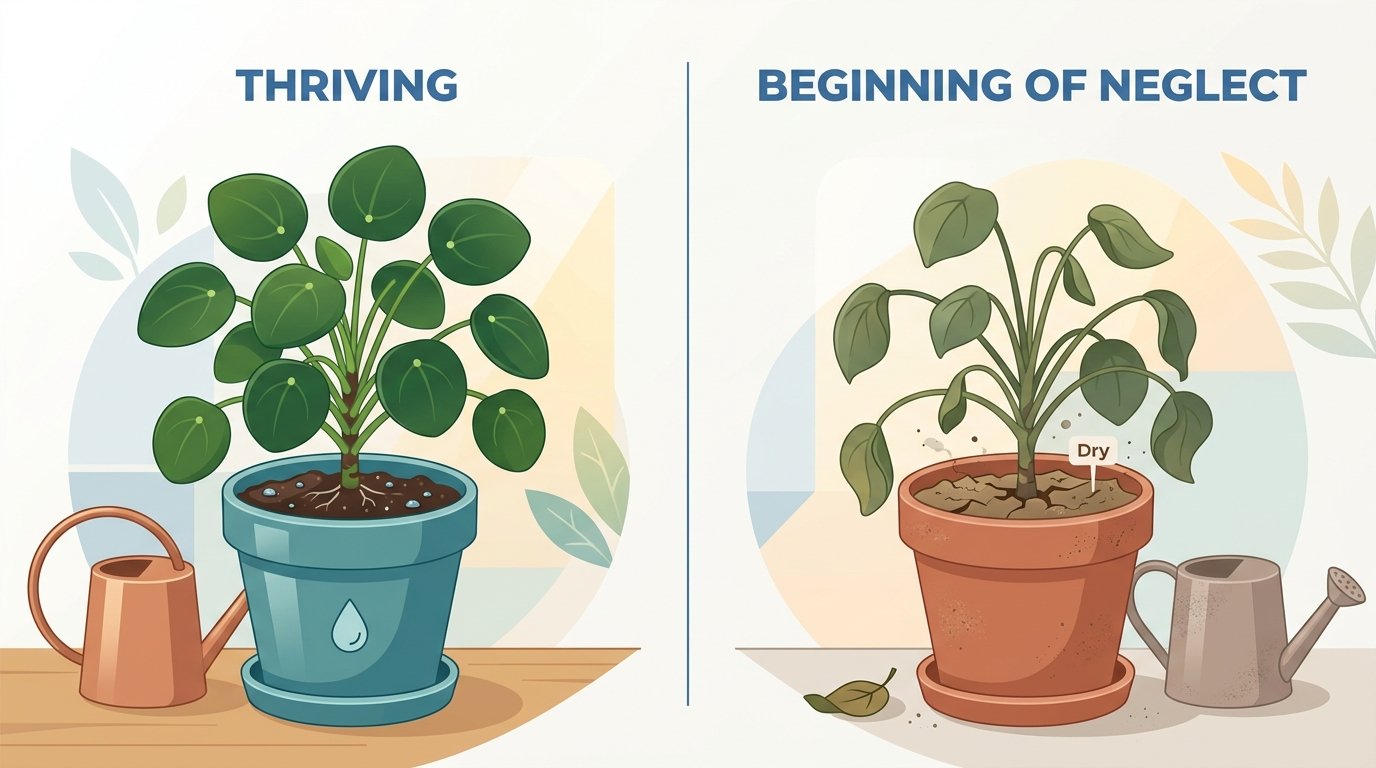
The Red Flags of Habit Decay
How do you know if your habit is decaying? You've probably noticed some of these signs already, even if you haven't given them a name.
Let's break this down into the four most common warning signs:
- The Midnight Rush: This is when you delay your habit to the very end of the day. If you are meditating while fighting off sleep, or stretching while yawning in the dark, you are checking a box, not practicing mindfulness or physical care.
- The Bare Minimum Loop: There is a difference between using a "two-minute rule" to get started on a hard day and permanently living in the two-minute zone. If your daily writing has been a single, low-effort sentence for three weeks straight, your habit is decaying.
- The Dread Factor: Do you feel a sense of resentment when it's time to start? When a habit shifts from something that serves your growth to an obligation you feel forced to maintain, decay has set in.
- Environmental Creep: This happens when friction slowly increases around your routine. Maybe your journal is buried under paperwork, or your running shoes are in the back of the closet. The extra effort required to start slowly chips away at your willingness to do the habit well.
Why Binary Tracking Can Be a Double-Edged Sword
Streaks are incredibly powerful tools for behavior change. They leverage our natural desire to protect what we have built. We hate to see a long line of successful days reset to zero.
But there's a catch. Simple binary tracking—marking a task as either "done" or "not done"—treats a half-hearted, distracted effort the same as a deeply focused, high-quality session.
Think about it this way. If you write one poorly constructed sentence, you get the same satisfying confirmation as if you wrote a thoughtful page. Over time, your brain realizes it can get the psychological reward of keeping the streak alive with a fraction of the actual effort.
That said, you can fight this design flaw. A good tracking routine shouldn't just record completion; it should help you stay mindful of your engagement. Using a habit tracking tool to visualize your consistency is vital, but you must pair that visual progress with honest self-reflection.
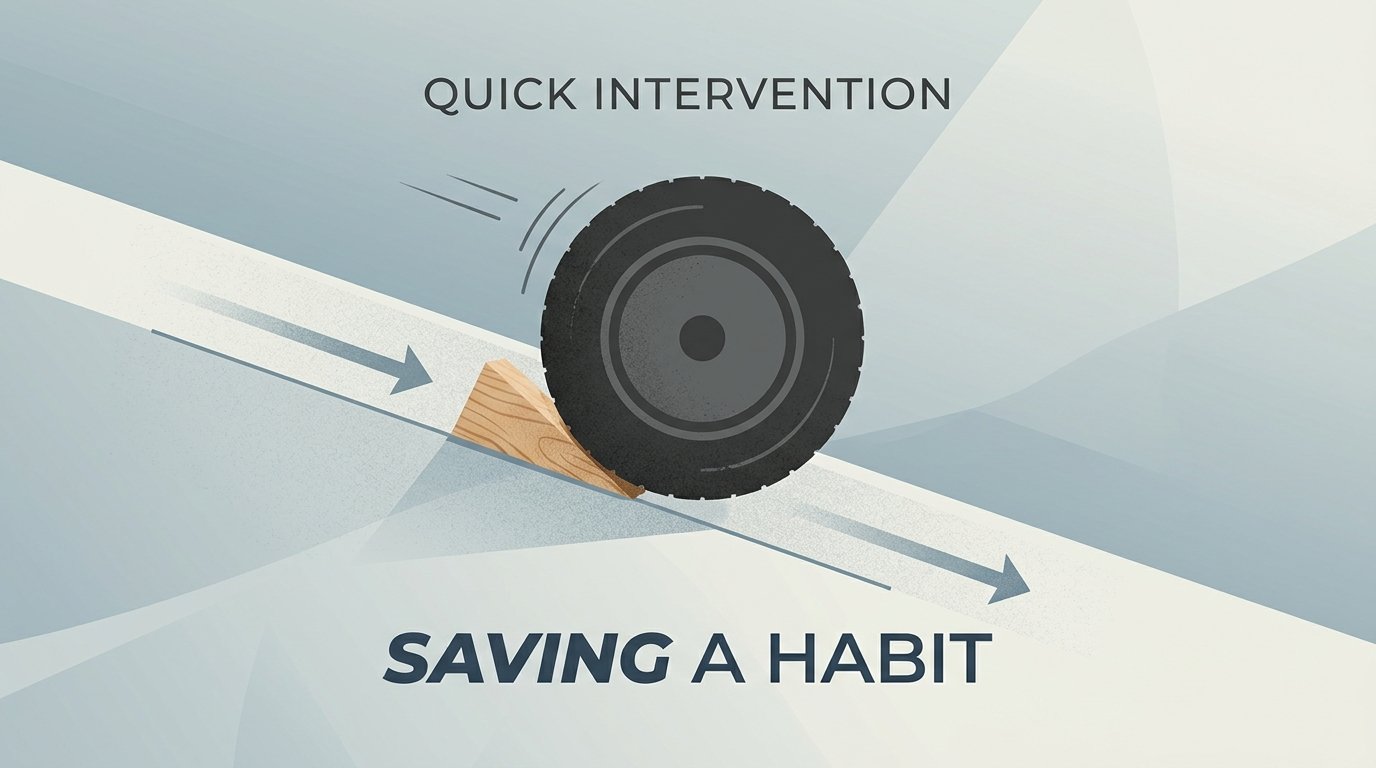
Four Steps to Reverse Habit Decay
If you realize your routines are starting to slip, you do not have to wait for the streak to break to fix them. You can intervene today.
1. Run a Friction Audit
Why has the habit become harder? Often, we blame a lack of willpower when the real culprit is a subtle change in our environment. Did your daily schedule shift? Is your workspace cluttered? Identify the small friction points that have crept in over the last few weeks and eliminate them. Make the starting point as easy as possible once again.
2. The "Minimum Viable Habit" Reset
If you are struggling with decay, you might need to intentionally scale back—but do it with high focus. Instead of doing a terrible, distracted 30-minute workout, commit to a highly focused, intense 10-minute session. This is different from decay because it is intentional. You are maintaining the quality while reducing the quantity to match your current energy levels.
3. Re-Anchor the Trigger
Habits rely on cues. If your cue has become weak or unpredictable, your habit will decay. Re-bind your habit to a reliable, daily anchor. For example, "Immediately after I close my laptop at the end of the workday, I will put on my running shoes." Research from the Stanford University Behavior Design Lab suggests that anchoring your habits to existing, solid routines is one of the most effective ways to ensure long-term consistency.
4. Track Your Energy, Not Just Your Execution
Add a simple qualitative check to your routine. When you mark a habit as done, take a brief moment to note your focus or energy level on a scale of one to three. If you see a string of low scores, you know you need to adjust your environment or scale back your expectations before the habit collapses.
Protect the Identity, Not Just the Number
Ultimately, a habit is not just an action; it is a vote for the type of person you want to become.
When we let our habits decay, we are telling ourselves that the appearance of progress matters more than actual growth. We are protecting the number on our screen rather than the identity we are trying to build.
To stop decay, we must fall back in love with the process, not just the streak. Use your streak as a tool of encouragement—a visual reminder of your dedication. But never let the preservation of the streak come at the expense of your self-trust. When you show up with intention, even for a few minutes, you protect both the streak and the person behind it.
Key Takeaways
- Habit decay is the silent decline of the quality and focus of a routine, occurring long before a streak officially breaks.
- Watch for the warning signs of decay, such as delaying habits to the last minute of the day or feeling growing resentment toward them.
- Binary tracking can hide decay by rewarding low-effort execution; pair your tracking with mindfulness about your effort levels.
- Reverse the slide by auditing environmental friction, resetting with short but high-quality sessions, and re-anchoring your daily triggers.
- Using a visual progress tool can help you see your consistency clearly, giving you the motivation to protect your routines and maintain your momentum every single day.
Build Better Habits — Track Your Streaks
Set goals, build streaks, and transform your life one habit at a time.