
- Published on
How to Build a Flexible Streak Tracking System
You’ve been tracking a new habit for 42 days. You feel unstoppable. Every morning, you check off your task, watching the streak number grow. Then, life happens. A flight is delayed, you come down with a sudden fever, or an unexpected work emergency demands your attention until midnight. You miss a day. The next morning, you open your tracker and see that dreaded number: zero.
That sinking feeling in your chest is incredibly common. It’s the exact moment many people decide to give up entirely. The momentum is gone, the visual reward has vanished, and the climb back up feels too steep.
But here’s the thing. Your body didn't suddenly lose the muscle memory of those 42 days. Your brain didn’t instantly erase the neural pathways you built. The failure isn't in your discipline; it's in your tracking system. A rigid system demands perfection from an imperfect life. To build habits that actually last, you need a flexible streak tracking system that accommodates life's unpredictable moments without resetting your progress to zero.
The Psychological Trap of the Perfect Streak
Strict streak tracking relies heavily on momentum. When we see a high number, our brain releases dopamine, making us want to keep the chain unbroken. This is highly effective—until it isn't.
Psychologists refer to the spiral that happens after a broken streak as the "abstinence violation effect." First identified in addiction research, this concept explains how a minor slip-up can lead to a total collapse in self-discipline. When we commit to an all-or-nothing goal and experience a minor detour, we tend to view ourselves as having failed completely. This cognitive bias tells us, "Well, the streak is already broken, so I might as well skip the gym for the rest of the week." You can read more about how cognitive biases impact our daily habits through the American Psychological Association.
Think about it this way. A bridge that cannot bend in the wind will eventually crack and collapse. Your habits are the same. If your tracking system has no give, it will break the moment life gets windy.

The Anatomy of an Elastic Streak
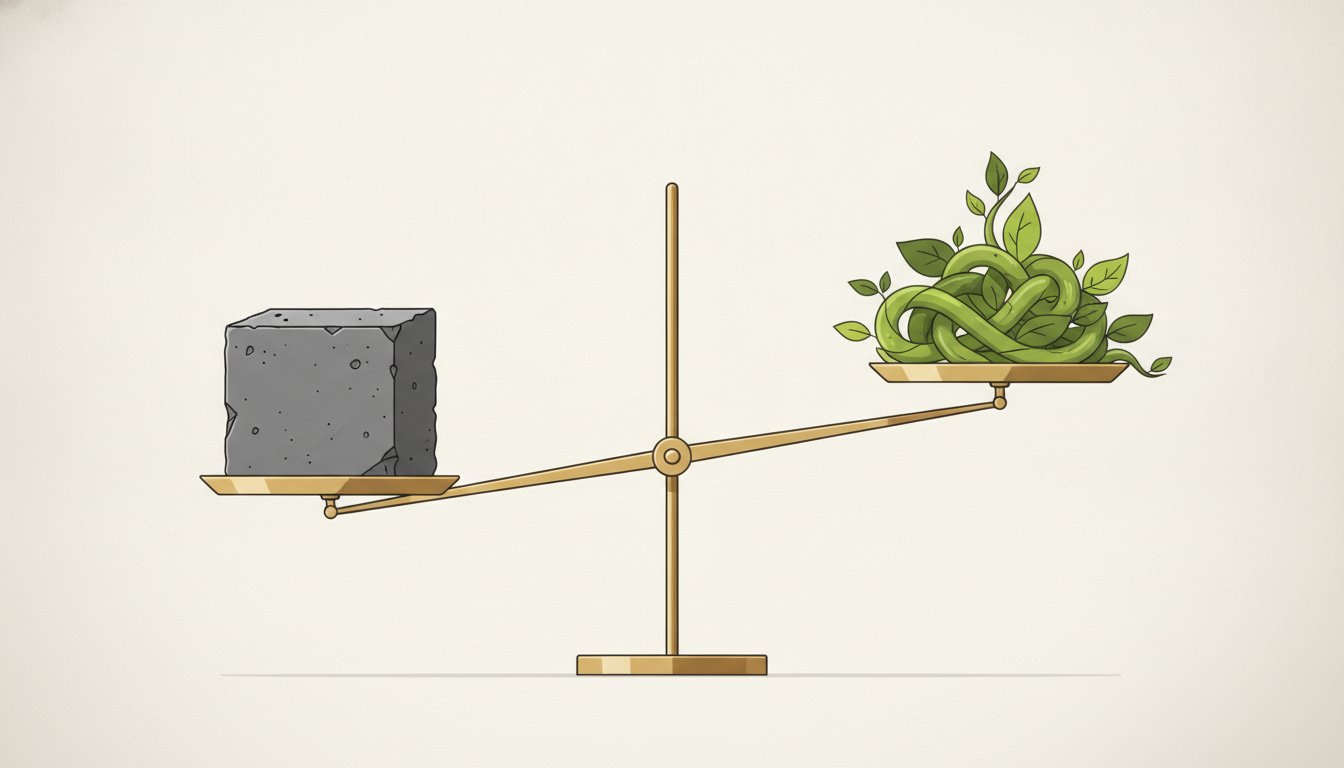
To prevent the all-or-nothing spiral, we need to design elastic streaks. An elastic streak is a progress-tracking method that values consistency over absolute perfection. It recognizes that a chaotic day where you did a little bit of work is infinitely better than a day where you did nothing at all.
By shifting your approach, you protect your momentum while keeping your self-esteem intact. You are no longer trying to be a perfect robot; you are trying to be a consistent human.
Let's break this down into three practical strategies you can use to build a flexible system today.
Define Your "Floor" and "Ceiling"
Most people set their habit goals based on their best days. They decide to "meditate for 20 minutes" or "write 1,000 words" every day. This is your "ceiling"—the ideal scenario when you have time, energy, and focus.
But you also need a "floor." The floor is the absolute minimum version of your habit that still counts as a win on your worst days. It should take less than two minutes and require almost zero willpower.
Consider these examples:
- The Ceiling: Going to the gym for an hour.
- The Floor: Doing 10 push-ups next to your bed.
- The Ceiling: Reading one chapter of a book.
- The Floor: Reading a single page.
- The Ceiling: Meditating for 15 minutes.
- The Floor: Taking three slow, conscious deep breaths.
If you complete your floor activity, your streak stays alive. You might feel like you're "cheating," but neurologically, you aren't. You are keeping the habit loop alive in your brain. On days when you are exhausted, performing the floor version preserves your identity as someone who does this habit, even if the output is small.


Implement "Grace Tokens"
Sometimes, even the floor version of a habit is impossible. If you are bedridden with a severe illness, forcing yourself to do 10 push-ups is counterproductive. This is where grace tokens come in.
Think of grace tokens as "streak freezes." You grant yourself a set number of passes per month—usually two or three—that you can use to keep your streak alive when true emergencies happen.
Using a modern habit tracking app that supports flexible tracking rules can save you from the mental toll of a hard reset. By deliberately pausing or applying a "freeze" to your streak, you acknowledge the reality of your situation without throwing away weeks of hard work.
The rule for grace tokens is simple: you cannot use them two days in a row. This prevents a temporary pause from turning into a permanent stop, while still giving you the breathing room you need to recover.
Shift from Daily to Weekly Frequency
Not every habit needs to happen every single day to be life-changing. In fact, forcing a daily schedule on certain habits often leads to early burnout.
Instead of tracking a daily streak, try tracking a weekly frequency streak. For example, your goal might be to work out four times a week, or write three times a week. Your "streak" is no longer about consecutive days; it's about consecutive weeks of hitting your target.
This shift completely changes your relationship with time. If you miss a Tuesday workout because of a late meeting, your streak isn't ruined. You still have Wednesday through Sunday to hit your weekly target. This system accommodates the natural ebb and flow of a typical workweek.
How to Track Without Losing Motivation
A good streak tracking system should adapt to your life, not the other way around. Whether you use a paper journal or a streak tracking tool on your phone, make sure it allows you to pause or adjust when things get hectic.
When you look at your progress, you shouldn't see a fragile line that can shatter at any moment. You should see a resilient path. If you had to use a grace token or drop down to your floor habit for a few days, that isn't a failure—it's successful management of your personal energy.
Remember, the ultimate goal of habit tracking isn't to reach an arbitrary number on a screen. It is to change how you view yourself. You are building discipline, and true discipline includes knowing when to push and when to adapt.
Key Takeaways
- Avoid the all-or-nothing trap: A broken streak often leads to giving up entirely due to cognitive biases. Protect your momentum by allowing flexibility.
- Establish floor and ceiling levels: Create a micro-version of your habit for low-energy days so you can keep the streak alive with minimal effort.
- Use grace tokens strategically: Allow yourself two or three "streak freezes" per month for true emergencies, but never use them two days in a row to avoid losing momentum.
- Track weekly targets: Switch to weekly frequency goals for habits that do not require daily execution, giving yourself room to adjust during busy days.
- Prioritize identity over perfection: Visual progress is a powerful motivator, so choose a habit tracking app that supports flexible goals to help you build a sustainable, long-term routine.
Build Better Habits — Track Your Streaks
Set goals, build streaks, and transform your life one habit at a time.