
- Published on
30 Days After Quitting Soda: A Recovery Timeline
You crack open a cold can of soda. The fizz escapes, the first sip hits your tongue, and for a fleeting moment, everything feels great. But an hour later, you are sluggish, irritable, and searching for your next sugar hit. If you have ever tried to stop drinking soda, you know it is not just a beverage—it is a deeply ingrained routine.
Here's the thing. Soda is engineered to be addictive. The combination of high-fructose corn syrup, caffeine, and sodium creates a perfect storm in your brain. When you decide to quit, your body goes through a profound biological transition. It is not always easy, but the rewards on the other side are massive.
If you are thinking about making the switch to water, sparkling water, or tea, you might be wondering what to expect. Let's break down exactly what happens to your body over 30 days when you finally kick the soda habit.
Why Your Brain Craves the Fizz
Before we look at the timeline, we need to understand why soda is so hard to quit. A single 12-ounce can of regular soda contains roughly 39 grams of sugar. That is about 10 teaspoons, which is already over the daily recommended limit for adults.
When you drink liquid sugar, it bypasses the normal digestive process and enters your bloodstream almost instantly. Your pancreas is forced to pump out a massive surge of insulin to manage the sugar spike. At the same time, your brain releases a wave of dopamine, the chemical responsible for pleasure and reward.
Over time, your brain gets used to this artificial dopamine high. When you suddenly stop drinking soda, your brain goes into a state of mild shock. It wants that easy energy source back.
If you are struggling with severe sugar cravings, fatigue, or underlying health conditions, please reach out to a professional or a trusted person in your life. Understanding that your cravings are biological, not just a lack of willpower, is the first step toward reclaiming your health.
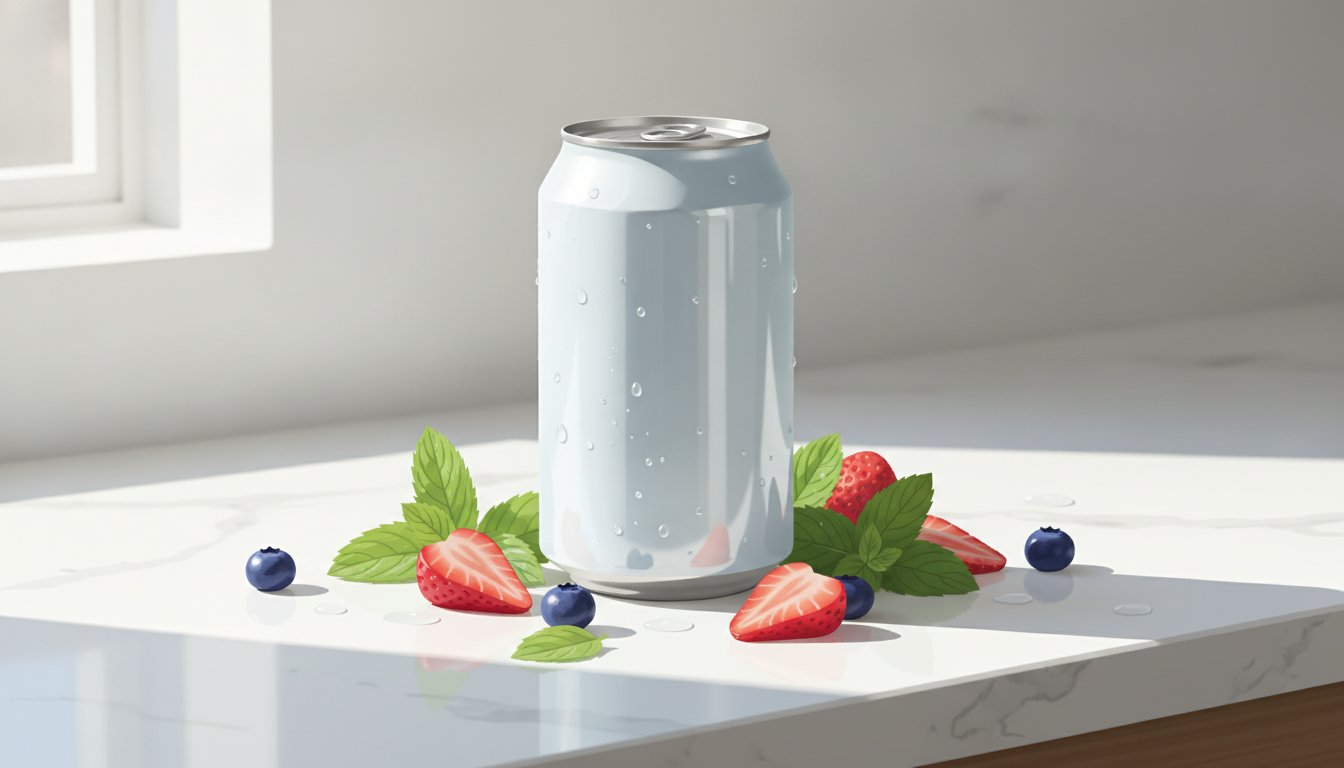
Days 1 to 3: The Withdrawal Phase
The first 72 hours are undeniably the hardest part of the journey. Your body is adjusting to the sudden absence of both concentrated sugar and caffeine.
You will likely experience a dull headache, especially if you were a heavy cola drinker. This happens because caffeine constricts the blood vessels in your brain. When you stop consuming it, those blood vessels dilate, causing increased blood flow and localized pressure.
Alongside the headaches, you might feel unusually tired, irritable, or foggy. Your body is looking for its usual quick-energy fix, and it is protesting the lack of sugar. You might find yourself staring at the vending machine or opening the fridge out of pure habit.
To survive these first few days, drink plenty of cold, plain water. Keeping your hands busy and your body hydrated will help ease the physical symptoms.
This is also where visual tracking becomes your secret weapon. Tracking your days since your last soda is incredibly helpful during this initial phase. When you can see a physical representation of your progress—even if it is just day two—it becomes much harder to justify breaking that streak for a temporary sugary fix.
Days 4 to 7: The Fog Clears
By day four, the physical withdrawal symptoms begin to subside. The headaches fade, and your natural energy levels start to stabilize.
Without the constant roller coaster of sugar spikes and crashes, you will notice a sense of mental clarity. Your body is beginning to realize that it does not need liquid sugar to function.
You will also notice changes in your digestion. The high concentration of sugar and artificial ingredients in soda can irritate the stomach lining and disrupt your gut microbiome. By day seven, your stomach will likely feel lighter, and you will experience significantly less bloating.
Furthermore, you are no longer consuming empty sodium and carbonation, which means your body will stop retaining excess water. You might look slightly leaner in the mirror simply because you are hydrated rather than bloated.
Days 8 to 14: The Taste Bud Reset
Around the second week, something remarkable happens to your palate. Soda is so intensely sweet that it dulls your taste receptors. It essentially numbs your tongue to the natural sugars found in real food.
But there's a catch. Once you go 10 days without processed sugar, your taste buds begin to regenerate and adapt.
Suddenly, an apple tastes incredibly sweet and flavorful. Strawberries taste like a dessert. Even plain water starts to taste refreshing rather than boring. You are rewriting your sensory preferences.
During this week, your sleep quality will also improve. Because you are no longer consuming late-afternoon caffeine and sugar, your body can transition into deep, restorative sleep much more easily. You will wake up feeling genuinely rested rather than relying on a morning soda to pull you out of bed.
Days 15 to 30: The Transformation
By the third and fourth weeks, your new habits are setting in. You are no longer "quitting" soda; you are simply someone who does not drink it.
Here is what is happening deep inside your body during this phase:
- Heart Health: Your blood pressure may begin to stabilize. High sugar intake raises uric acid levels, which can increase blood pressure. Removing that sugar gives your cardiovascular system a break.
- Weight Management: If you drank just one can of soda a day, cutting it out removes roughly 4,500 empty calories from your diet over the course of a month. Many people notice effortless weight loss and a reduction in belly fat during this time.
- Dental Health: The acids in soda eat away at your tooth enamel. After 30 days, your teeth are no longer subjected to this constant acid bath, reducing your risk of cavities and sensitivity.
- Skin Clarity: High blood sugar triggers systemic inflammation, which often manifests as acne or dull skin. After a month of drinking water instead of soda, your skin will likely look clearer, brighter, and more hydrated.
By day 30, your insulin sensitivity has improved, your gut microbiome is healthier, and your natural energy levels are consistent throughout the day. You have officially broken the cycle of physical dependency.
Tips to Stay Consistent
Reaching day 30 is a massive achievement, but keeping the habit alive requires a strategy. Here is how you can protect your progress:
- Find a Healthy Swap: If you miss the carbonation, switch to sparkling water with a squeeze of fresh lime, lemon, or a splash of 100% fruit juice.
- Identify Your Triggers: Do you drink soda when you are stressed, bored, or driving? Once you know your triggers, you can plan a healthier response, like taking a walk or drinking herbal tea.
- Focus on the Streak: There is a powerful psychological shift that happens when you actively track your journey. Seeing your streak grow day by day creates a sense of pride that you won't want to ruin for a single drink.
Key Takeaways
- Days 1-3 are dominated by physical withdrawals like headaches and fatigue as your brain misses the dopamine and caffeine.
- Days 4-7 bring stabilized energy levels, clearer thinking, and a noticeable reduction in stomach bloating.
- Days 8-14 feature a taste bud reset, making natural foods taste sweeter and plain water more appealing.
- Days 15-30 deliver long-term benefits, including potential weight loss, clearer skin, better sleep, and improved dental health.
- Consistency is built visually. Using a simple habit tracking tool to count the days since your last soda can keep you motivated and remind you of how far you have come.
Build Better Habits — Track Your Streaks
Set goals, build streaks, and transform your life one habit at a time.