
- Published on
Debt-Free Countdown: Stay Motivated Paying Off Debt
You open your credit card portal, stare at the five-digit balance, and feel a familiar tightness in your chest. It feels like you are climbing a mountain in a thick fog, completely unsure of how far you have walked or how much farther you have to go. Debt fatigue is a very real psychological hurdle, and it is the primary reason many people abandon their financial plans halfway through.
Here's the thing: paying off debt is not just a math problem. It is a psychological battle. When your brain does not see immediate, visible progress, it defaults to frustration and burnout. That is why shifting your focus from "how much I owe" to "how many days until I am free" can completely change your relationship with your finances.
Why Paying Off Debt Feels Mentally Exhausting
Our brains are wired for instant gratification. When you buy something on credit, you get a dopamine hit immediately. But when you pay off that debt, you are sacrificing your current income to pay for things you already consumed in the past. It often feels like throwing your hard-earned money into a black hole.
Research in behavioral psychology suggests that humans struggle with "present bias"—our natural tendency to value immediate rewards over future benefits. When a financial goal is months or years away, it feels abstract and dreamlike. Without a clear light at the end of the tunnel, every missed dinner out or skipped weekend trip feels like a punishment.
Think about it this way. If you were running a marathon, you would constantly look for the mile markers. Knowing you are at mile 18 keeps your feet moving, even when your lungs and legs are burning. A debt-free countdown acts as those financial mile markers, giving your brain the visual proof of progress it desperately craves.
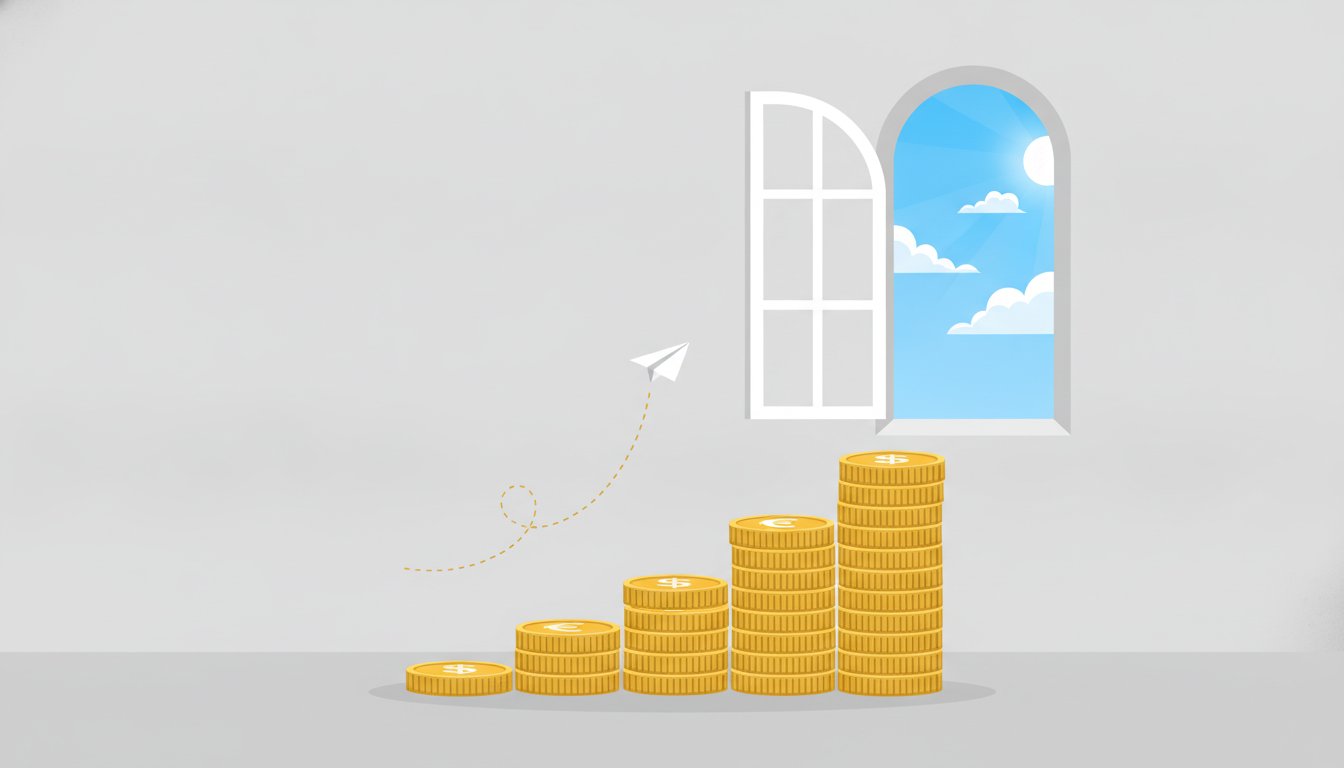
What is a Debt-Free Countdown?
A debt-free countdown is a simple but powerful psychological shift. Instead of focusing solely on the massive dollar amount you owe, you focus on the time remaining until your debt is completely gone. You calculate a realistic target date and track the days, weeks, or billing cycles left until you reach zero.
This approach works because it makes your financial freedom tangible. A number like $15,000 can feel overwhelming and static, especially if high interest rates make the balance move slowly. But a countdown showing "342 days until debt-free" is dynamic. Every single day that passes brings you closer to your goal, regardless of how much you were able to pay that morning.
By tracking the countdown, you transform a heavy financial burden into an exciting, time-bound challenge. It builds momentum because you can literally watch the clock tick down to your independence.
How to Set Up Your Debt-Free Countdown
Setting up your countdown requires a balance of realistic math and visual tracking. Let's break this down into three simple steps.
1. Choose Your Repayment Strategy
Before you can set a target date, you need to decide how you will tackle the debt. The two most popular methods are the debt snowball (paying the smallest balances first for quick psychological wins) and the debt avalanche (paying the highest interest rates first to save money). Choose the method that fits your personality. If you need frequent wins to stay motivated, the snowball is your best bet.
2. Calculate Your Realistic Freedom Date
Look at your budget and determine exactly how much extra money you can put toward your debt each month. Use an online debt payoff calculator to input your balances, interest rates, and monthly payments. This will spit out an estimated payoff date.
But there's a catch. You should always add a buffer of two to three months to this date. Life happens, emergencies occur, and having a slightly flexible target date prevents you from feeling defeated if you experience a minor setback.
3. Make the Countdown Visual
Once you have your target date, you need to see it daily. You can use a physical paper chain where you rip off a link every week, draw a progress bar on a whiteboard, or use countdown tools on your phone. The key is high visibility. Placing a countdown widget on your phone's home screen ensures that every time you unlock your device, you are reminded of what you are working toward.
How to Stay Motivated Using Time-Based Milestones
If your target date is two years away, "730 days" can still feel like a lifetime. The secret to long-term consistency is breaking that massive timeline into smaller, manageable micro-countdowns.
Instead of only counting down to the final zero, set up countdowns for these key milestones:
- The Next $1,000 Paid Off: A short-term sprint that keeps you highly focused.
- The 50% Mark: The tipping point where you realize you have less distance ahead of you than behind you.
- Individual Account Freedom: If you have multiple cards or loans, count down to the day each specific account is closed.
Celebrating these milestones keeps your dopamine levels high. You do not need to spend money to celebrate; a simple movie night, a special home-cooked meal, or sharing your progress with a supportive friend is enough to mark the occasion. Seeing your payment streak grow over time reinforces your new financial identity.
Shifting from Scarcity to Progress
When you are paying off debt, it is incredibly easy to fall into a scarcity mindset. You look at your budget and see only the things you cannot do. You cannot go to that concert, you cannot buy those shoes, and you cannot eat at that new restaurant.
A countdown changes the narrative from "I cannot spend money" to "I am actively buying my freedom." Every dollar you send to your debt is a day you are cutting off the end of your countdown.
If you find yourself struggling with impulse spending, try converting the cost of the item into time. If you want a 20 a day toward your debt, ask yourself: "Are these shoes worth adding five days back onto my countdown?" Most of the time, the visual of your countdown moving backward is enough to curb the urge to spend.
Key Takeaways
- Shift your focus from the balance to time: Tracking the days remaining until you are debt-free makes the goal feel real and dynamic rather than static and overwhelming.
- Create micro-milestones: Break a multi-year journey into smaller sprints, like paying off the next $1,000 or reaching the halfway mark.
- Keep progress visible: Use countdown tools, widgets, or physical trackers where you can see your target date every single day.
- Reframe your spending: Think of extra debt payments as buying back your time and shortening your countdown to freedom.
Using a countdown changes the game because it gives you a light at the end of the tunnel. If you are struggling to stay motivated, try setting up a visual tracker today. Watching those days tick down is a powerful daily reminder that your current sacrifices are temporary, but your financial freedom will be permanent.
Build Better Habits — Track Your Streaks
Set goals, build streaks, and transform your life one habit at a time.