
- Published on
30 Days After Quitting Smoking: A Recovery Timeline
You put out your last cigarette and check the clock. Within minutes, a strange mix of relief and anxiety washes over you. You know you want to quit, but the road ahead looks like a foggy, steep hill. The physical cravings are already whispers in the back of your mind, and the habit of holding something between your fingers feels deeply hardwired.
Here’s the thing: your body begins to heal the exact minute you stop. The human body is incredibly resilient, and the timeline of recovery after quitting smoking is a beautifully orchestrated sequence of repair. Understanding exactly what is happening to your lungs, blood, and brain hour by hour can turn a painful waiting game into a deeply rewarding journey.
Let's break down exactly what happens during your first 30 days of freedom, and why watching your progress grow day by day is your greatest secret weapon.
The Immediate Shift: The First 24 Hours
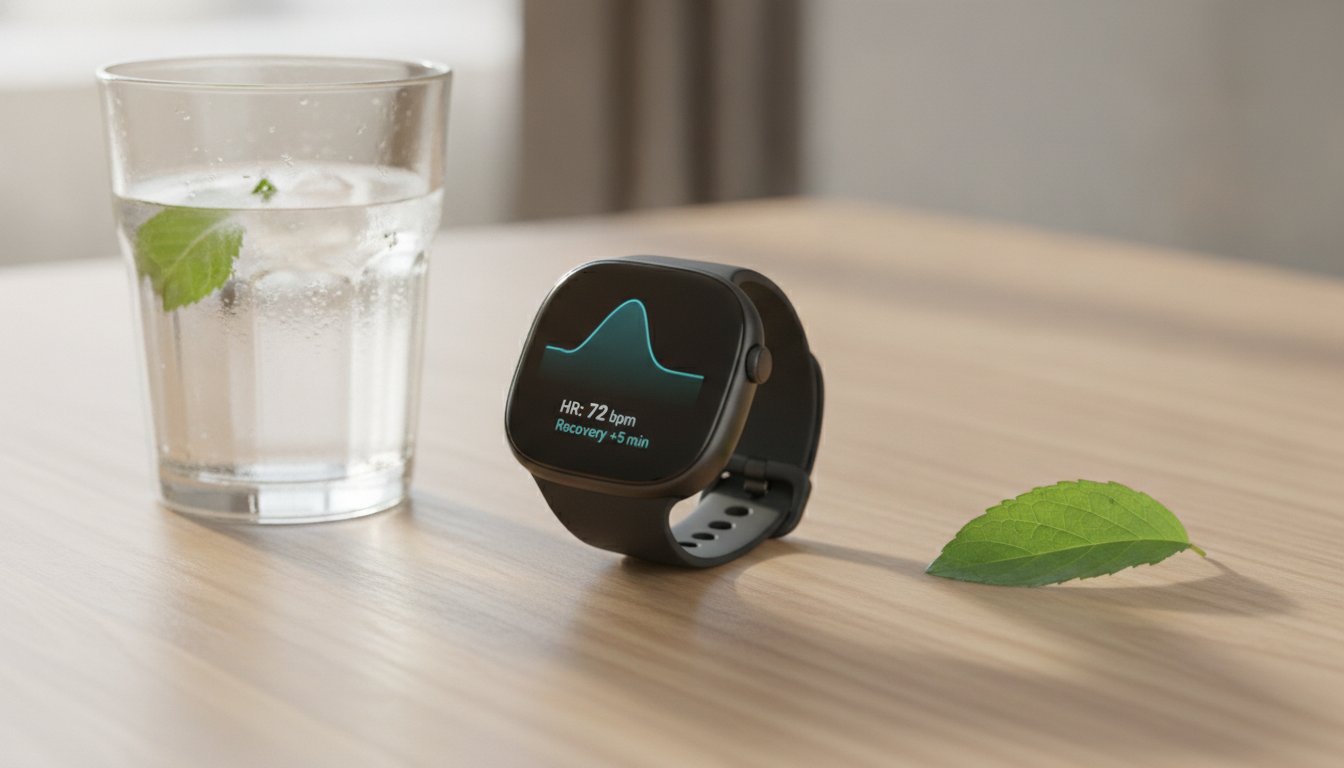
The moment you stop inhaling tobacco smoke, your cardiovascular system breathes a massive sigh of relief. Within just 20 minutes, your heart rate and blood pressure begin to drop back toward normal levels. For years, nicotine has been forcing your blood vessels to constrict and your heart to overwork; now, the pressure finally eases.
By the 12-hour mark, the carbon monoxide levels in your blood drop to normal. Carbon monoxide is a toxic gas found in cigarette smoke that binds to red blood cells, preventing them from carrying oxygen. As this gas clears out, your body's oxygen levels increase, leaving you feeling less fatigued.
By the end of day one, your risk of a heart attack has already begun to decrease. Your lungs are starting to clear out the mucus and debris left behind by tobacco smoke. You might start coughing, which feels counterintuitive, but it is actually a sign of your lungs waking up and cleaning house.
Days 1 to 3: The Peak of Physical Withdrawal
The first 72 hours are undeniably the hardest physical stretch. Nicotine is a fast-acting drug, and by day two, it has completely left your body. While this is a massive milestone, it also triggers the peak of withdrawal symptoms.
You will likely feel irritable, anxious, and restless. This happens because your brain's dopamine receptors, which were previously stimulated by nicotine, are suddenly starved of their usual trigger. You might experience headaches, intense cravings, and trouble sleeping.
Think about it this way: your brain is throwing a temper tantrum because it is learning how to function without an artificial chemical crutch. This phase is entirely temporary. By day three, your bronchial tubes begin to relax, making breathing noticeably easier, and your lung capacity starts to increase.
To get through these intense three days, tracking your progress hour by hour can be incredibly grounding. Using a visual counter to track your days since your last cigarette can turn a painful waiting game into a game you actually want to win. Every hour that passes is a physical victory.
Days 4 to 10: The Turning Point
Once you cross the 72-hour threshold, the physical addiction begins to lose its grip. The nicotine is gone, and now your body is busy repairing the damage.
Around day five, you might notice that food tastes richer and scents are sharper. Smoking damages the nerve endings in your nose and mouth, but within a week of quitting, these nerves begin to regrow. Suddenly, your morning coffee smells incredible, and your meals have layers of flavor you had forgotten existed.
Your lungs are also stepping up their recovery. The cilia—tiny hair-like structures that line your airways—are recovering from being paralyzed by hot smoke. They begin to sweep mucus and dust out of your lungs efficiently again, significantly reducing your risk of infections.
While the physical cravings are fading, the psychological triggers will still try to catch you off guard. You might crave a cigarette when you get into the car, after a meal, or during a stressful moment at work. Recognizing these triggers as old mental pathways, rather than actual physical needs, is key to staying on track.
Days 11 to 20: Rewiring the Routine
By the second week, you have proven to yourself that you can survive without smoking. Your circulation has improved dramatically, meaning physical activities like walking up stairs or jogging feel much less exhausting. Your skin may also begin to look brighter and healthier as oxygen and nutrients flow freely to your tissues again.
The challenge during this middle phase is largely behavioral. The initial excitement of quitting might start to wear off, and a dangerous thought might creep in: "I've done so well, I can handle just one."
This is where the psychology of habit replacement comes into play. If you used to smoke during your work breaks, you need a new break ritual. Walk around the block, drink a cold glass of water, or practice deep breathing. You need to show your brain that you can experience stress, boredom, or joy without reaching for a pack.
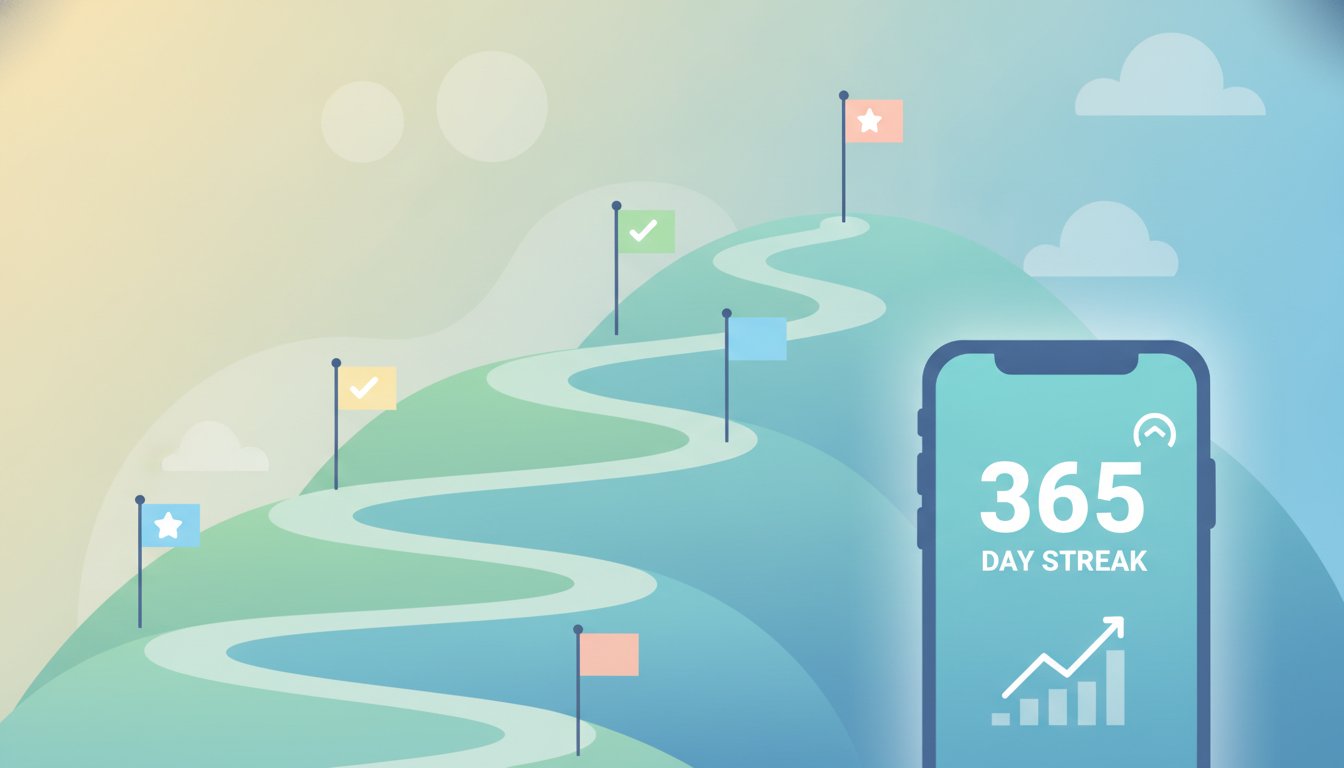
Seeing your streak grow every day can be highly motivating during these quiet middle weeks. When you can look at a screen and see a concrete number of smoke-free days, you become much more hesitant to throw that progress away for a fleeting five-minute craving.
Days 21 to 30: The New Normal
By day 30, your brain chemistry is undergoing a massive reset. Research in neurobiology suggests that after a month of abstinence, the density of nicotine receptors in your brain begins to return to normal levels. This means your dopamine pathways are healing, and you will start finding natural joy in everyday activities again without needing a nicotine hit.
Physically, your lung function has increased by up to 30%. The persistent coughing you experienced in the first two weeks has likely subsided, and your shortness of breath is vastly improved. Your immune system is stronger, and your body is far better equipped to fight off colds and viruses.
Psychologically, you are no longer a "smoker trying to quit." You are simply a person who doesn't smoke. The daily battle has quieted down into an occasional, easily managed whisper.
If you're struggling with severe withdrawal, anxiety, or mental health challenges during this transition, please reach out to a professional or a trusted person in your life. Quitting is a massive life shift, and you do not have to carry the weight of it entirely on your own.
Why Tracking Your Streak Keeps You Motivated
Quitting smoking is not a single decision; it is a series of hundreds of small decisions made every single day. In the moments when your willpower is low, abstract concepts of "future health" often aren't enough to keep you strong. You need something concrete.
This is why tracking your "days since" is so incredibly effective. Every day you add to your streak represents a hard-fought battle won. It is a visual receipt of your discipline.
When you feel a sudden wave of stress and the urge to smoke arises, looking at your tracker forces you to ask a powerful question: Is this temporary craving worth resetting my 25-day streak back to zero?
Almost always, the answer is no. The visual pain of breaking a beautiful streak is often the exact friction you need to let the craving pass.
Key Takeaways
- Immediate Healing: Within 20 minutes, your heart rate drops, and within 12 hours, your blood oxygen levels return to normal.
- The 72-Hour Peak: Nicotine leaves your body entirely by day three, marking the peak of physical withdrawal before things begin to get easier.
- Sensory and Lung Recovery: Within the first week, your sense of taste and smell return, and your lungs begin to actively clear out years of debris.
- Brain Rewiring: By day 30, your brain's dopamine receptors begin to normalize, reducing the frequency and intensity of psychological cravings.
- Protect Your Progress: Tracking your streak daily creates a psychological shield that protects you from impulsive setbacks. Small progress becomes visible when you track it daily, helping you stay committed to the life you deserve.
Build Better Habits — Track Your Streaks
Set goals, build streaks, and transform your life one habit at a time.