
- Published on
30 Days Without Revenge Bedtime Procrastination
It’s 1:45 AM. You’re lying in the dark, the blue light of your phone screen washing over your face. You’re exhausted—your eyes burn, and you know you have to be up in five hours—but you can’t stop scrolling. You aren't even looking at anything important; you're just watching random videos or refreshing a feed you’ve already seen. This isn't just procrastination. It’s a quiet rebellion against a day that didn't belong to you.
Psychologists call this "revenge bedtime procrastination." It happens when we feel like we have no control over our daytime hours—usually due to a high-pressure job, family demands, or a packed schedule—so we "take revenge" on our sleep to reclaim some sense of freedom. We steal time from our future selves just to feel like we own the present.
But what happens when you stop? What happens when you decide that your "me-time" shouldn't come at the cost of your health? If you’ve been stuck in this cycle for years, the idea of a 10 PM lights-out might seem impossible. However, if you commit to a 30-day streak of ending the midnight scroll, the transformation is more than just feeling "less tired." It’s a total rewiring of your brain and body.
The Psychology of the "Revenge"
To fix the habit, you have to understand why your brain is fighting you. Most people think bedtime procrastination is a lack of discipline. It’s actually a failure of self-regulation fueled by "ego depletion." By the time the sun goes down, you’ve made hundreds of decisions. You’ve navigated stress, suppressed emotions, and solved problems. Your willpower is a battery, and by 11 PM, that battery is at 1%.
When you’re in that depleted state, you lack the mental energy to do the "hard" thing, which is ironically getting ready for bed. Scrolling is the path of least resistance. It provides a hit of dopamine that feels like a reward for a long day.

Week 1: The Withdrawal Phase
The first seven days are, quite frankly, the hardest. You’re not just changing a schedule; you’re breaking a dopamine addiction. When you put the phone away at 10:30 PM for the first time, your brain will likely scream at you. You’ll feel a restless "itch" to check one more thing.
During this week, you might actually find it harder to fall asleep initially. Your brain has been conditioned to stay stimulated until it eventually collapses from exhaustion. Now, you’re asking it to wind down naturally. You might lie there in the silence, feeling anxious or bored.
This is where tracking your progress becomes vital. Seeing a "Day 3" or "Day 5" streak on your phone can provide the small psychological win you need to keep going when the urge to scroll hits. It’s about building a new record. If you can make it through the first week, the physical symptoms of sleep deprivation—that heavy, "foggy" feeling in the morning—will slowly start to lift.
Week 2: The Fog Begins to Clear
By the second week, something interesting happens. Your circadian rhythm—your body's internal clock—begins to recalibrate. You’ll notice that you start feeling naturally sleepy around your new bedtime.
The most significant change in Week 2 isn't how you feel at night, but how you feel at 2 PM. Usually, this is the time of day when revenge bedtime procrastinators hit a massive wall. You’d usually reach for a third coffee or a sugary snack to stay awake. By Day 14 of consistent sleep, that afternoon slump starts to disappear.
You’re also entering a phase of "REM rebound." If you’ve been sleep-deprived for a long time, your brain will start prioritizing deep, restorative sleep. You might have vivid dreams or wake up feeling surprisingly alert. You’re no longer just "surviving" the morning; you’re actually present for it.
Week 3: Emotional Resilience and Autonomy
This is where the "revenge" part of the equation truly changes. One of the biggest side effects of chronic sleep deprivation is emotional volatility. When you’re tired, your amygdala (the brain’s emotional center) is about 60% more reactive. This means small stresses feel like disasters.
By Week 3, you’ll notice a "buffer" between you and the world. That annoying email from your boss or the traffic jam on the way home doesn't trigger the same level of frustration. Because you’re well-rested, you have the cognitive resources to handle stress.
The real question is: do you still feel the need for revenge? Often, by Day 21, people realize they don't need to stay up late to feel in control. Because they have more energy during the day, they start setting better boundaries at work. They find they can get their tasks done faster, leaving them with actual free time in the evening that doesn't need to be stolen from sleep.
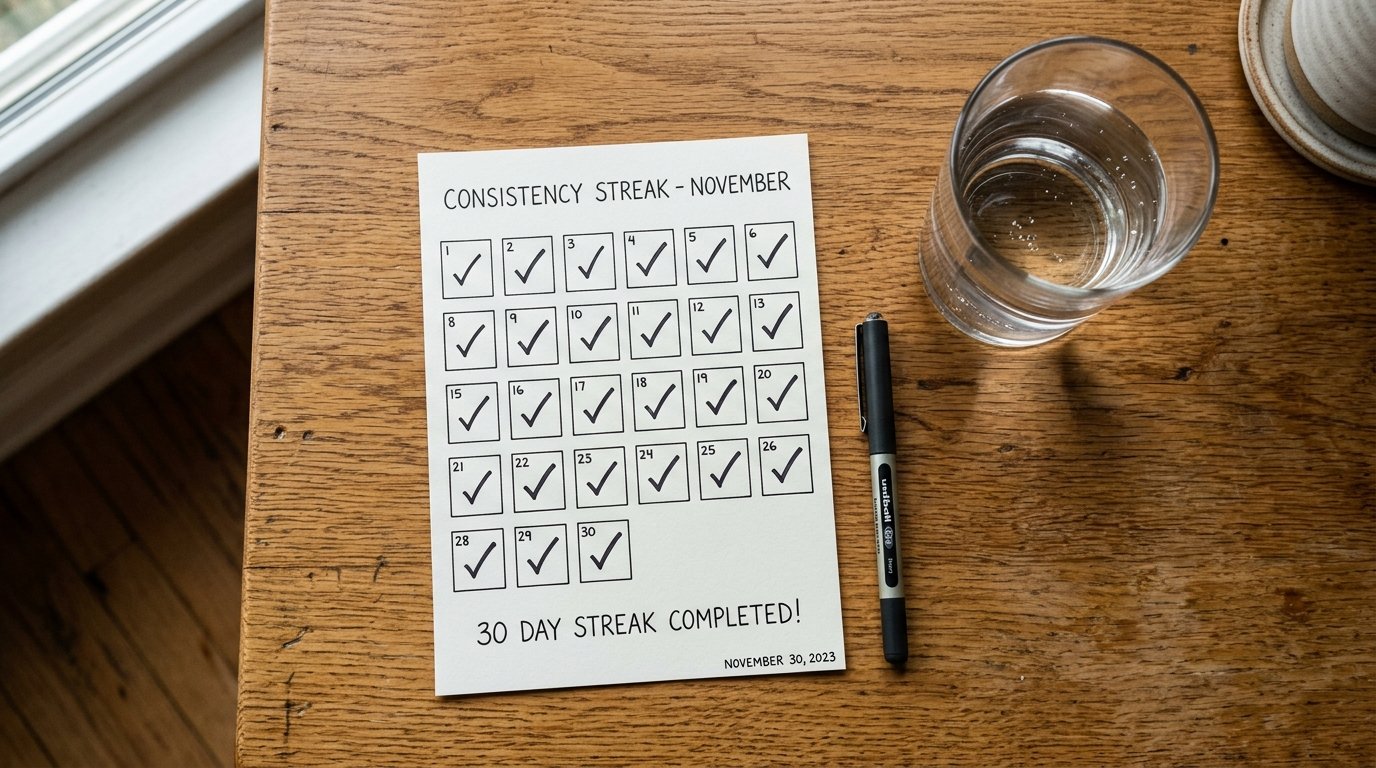
Week 4: The Identity Shift
By the time you hit Day 30, you aren't "trying" to go to bed early anymore. You’ve become a person who values their rest. The 30-day streak has moved the habit from your conscious effort to your subconscious routine.
Your skin likely looks better, your sugar cravings have decreased (sleep deprivation messes with hunger hormones like ghrelin), and your focus is sharper than it has been in years. You’ve proven to yourself that you can prioritize your well-being over a temporary dopamine hit.
Many people find that reaching this milestone is the perfect time to set a new goal. Now that you have the energy, maybe you start a morning workout or a reading habit. The "extra" time you thought you were getting by staying up late was an illusion; the time you get by being well-rested is where the real growth happens.
Practical Steps to End the Cycle
If you’re ready to start your own 30-day challenge, you need a plan that goes beyond "just try harder."
- The Shutdown Ritual: Create a 20-minute routine that signals to your brain that the day is over. This could be dimming the lights, stretching, or making a cup of herbal tea.
- The Phone Jail: The phone is the primary engine of revenge bedtime procrastination. Put it in another room or a charging station away from your bed at least 30 minutes before your goal bedtime.
- Address the Daytime Stress: If you feel the need to "take revenge," ask yourself why. Are you taking enough breaks during the day? Can you reclaim 15 minutes of "me-time" at lunch so you don't feel starved for it at midnight?
- Visual Progress: Use a habit tracker or a "days since" counter. Seeing your progress grow from Day 1 to Day 10 to Day 30 creates a sense of momentum that is hard to break.
If you're struggling with chronic insomnia or mental health challenges that affect your sleep, please reach out to a professional or a trusted person in your life.
Staying Consistent
There will be nights where you slip up. Maybe you stay out late with friends or get sucked into a movie. The key isn't being perfect; it’s not letting one late night turn into a week-long relapse. If you break your streak, acknowledge it, look at what triggered it, and start again the next day.
The goal of these 30 days isn't just to get more sleep. It’s to stop being a victim of your own schedule. When you stop stealing time from your future self, you start showing up as the best version of yourself today.
Key Takeaways
- Understand the "Why": Recognize that staying up late is often a reaction to a lack of control during the day, not just "laziness."
- Push Through Week 1: Expect the first seven days to be difficult as your brain adjusts to lower stimulation levels.
- Monitor Your Mood: Notice how your emotional resilience increases by Week 3 as your brain’s emotional center gets the rest it needs.
- Track Your Wins: Using a habit tracker to visualize your streak can provide the motivation needed to stay consistent during the "messy middle" of the month.
- Reclaim Your Days: Use your newfound energy to set better daytime boundaries, reducing the psychological need for "revenge" at night.
Build Better Habits — Track Your Streaks
Set goals, build streaks, and transform your life one habit at a time.