
- Published on
The One-Minute Rule: Stop Procrastination Instantly
You stare at the pile of mail on the kitchen counter. It has been sitting there for three days. You know you need to sort through it, but the thought of the time, energy, and decision-making required makes you want to turn around and walk away. So, you do. You tell yourself you’ll handle it later. But later never seems to come.
This is the classic cycle of procrastination. It isn't always about laziness or a lack of ambition. Often, it is a defensive mechanism. Your brain perceives a task as "big" or "unpleasant," so it avoids the discomfort. What if you could bypass that resistance entirely by shrinking the commitment?
The one-minute rule is exactly what it sounds like: If a task takes less than 60 seconds to complete, you do it immediately. No negotiating, no adding it to a to-do list, and no waiting for the "right time." You just act.
The Psychology of Immediate Action
Why does this rule work so effectively? It comes down to the way our brains handle cognitive load. When you tell yourself you have to "clean the office," your brain sees a massive, vague project. This triggers a stress response, making you more likely to procrastinate to seek instant relief.
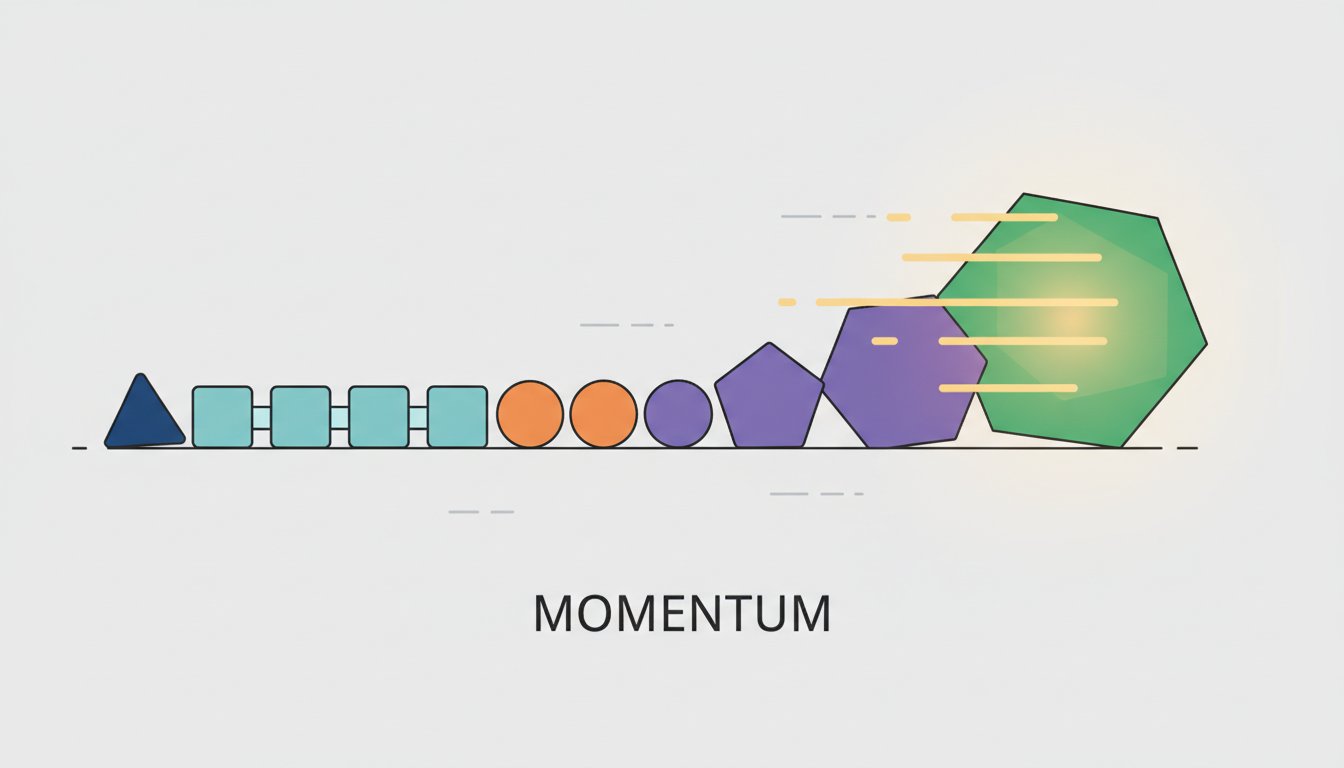
However, when you focus on a task that takes only one minute, the stakes drop significantly. The barrier to entry becomes so low that your brain stops viewing the task as a threat. By completing these tiny micro-tasks, you create a sense of momentum. Each completed action provides a small hit of dopamine, which encourages you to keep moving.
Think about the physical environment you live in. A cluttered desk or a sink full of dishes acts as a visual "to-do" list that drains your mental energy throughout the day. By practicing the one-minute rule, you prevent these micro-tasks from accumulating into a macro-problem. You stop the avalanche before it starts.

Identifying Your One-Minute Wins
Not every task fits this rule, but you would be surprised by how many do. The key is to be honest with yourself about the time involved. If you are standing in front of a task, ask yourself: "Can I finish this before I could even find a place to write it down?" If the answer is yes, you have a candidate for the one-minute rule.
Examples of these micro-tasks include:
- Hanging up your coat instead of throwing it on a chair.
- Deleting a junk email as soon as you open it.
- Putting a dish directly into the dishwasher rather than the sink.
- Replying to a simple text message that requires a short response.
- Filing a single document.
These sound trivial, but their cumulative effect is profound. By clearing these small items, you keep your mental slate clean. You stop carrying around the "open loops" of unfinished business that cause low-level anxiety. When you look around a room that is free of these tiny messes, you feel a greater sense of calm and control.
Building Momentum Through Tracking
While the one-minute rule is about immediate action, the habit of consistency is what makes it stick. Many people find that using habit tracking apps helps them see the value in these small, repetitive actions. When you track your daily wins, you aren't just logging tasks; you are documenting the act of staying on top of your life.
Seeing a streak of days where you consistently cleared your small tasks can be incredibly motivating. It proves to you that you are the type of person who takes care of their environment and responsibilities. If you find yourself struggling to maintain this, try keeping a physical note or a digital countdown of how many days you have successfully stayed on top of your immediate tasks.
If you find that your procrastination is linked to deeper issues like chronic overwhelm or anxiety, please remember that it is okay to ask for help. If you're struggling, please reach out to a professional or a trusted person in your life. You don't have to manage these feelings alone.
How to Stay Consistent
The biggest challenge with the one-minute rule is remembering to use it. When we are stressed or busy, we tend to revert to old habits, like leaving things for later. Here are three ways to keep the rule front-and-center:
- Create a Trigger: Associate the one-minute rule with your transitions. For example, every time you walk into your home, look for one thing that takes less than a minute to tidy.
- Keep the Threshold Low: If you find yourself negotiating—"this will take two minutes, not one"—you are already overcomplicating it. When in doubt, just do the task. The time it takes to debate is often longer than the task itself.
- Celebrate the Small Wins: Don't dismiss the value of a clean countertop. Acknowledge that you just saved your future self from a larger chore. This internal validation reinforces the behavior.
Consistency is not about doing big, heroic things every day. It is about doing small things repeatedly. When you track your progress, you gain a clear view of how these seconds turn into hours of saved time and improved mental clarity. Small progress becomes visible when you track it daily, and a streak of productive minutes is a powerful tool for personal growth.
Key Takeaways
- Shrink the Task: Procrastination often stems from seeing tasks as larger than they are. The one-minute rule breaks this by focusing on tasks that require immediate, minimal effort.
- Clear the Mental Clutter: Tiny, unfinished tasks create background anxiety. Completing them immediately keeps your environment and your mind organized.
- Focus on Momentum: Every one-minute task completed provides a small win, building the discipline needed to tackle larger goals.
- Track Your Progress: Whether you use a simple habit tracking app or a manual list, documenting your consistency makes the habit feel real. Seeing a streak of completed tasks can be a great way to stay motivated as you build better habits.
Start today by looking around the room you are in right now. Is there something you have been putting off that takes less than 60 seconds? Do it now. You will be surprised at how much lighter you feel.
Build Better Habits — Track Your Streaks
Set goals, build streaks, and transform your life one habit at a time.