
- Published on
The Art of the Strategic Pause: Tracking Days Since
You have been here before. You make a mistake, you fall into a familiar trap, or you simply let a bad habit slide back into your life. You feel that familiar sting of frustration, telling yourself that you’ve "ruined" your progress. But what if you looked at that moment not as a failure, but as a data point?
The art of the strategic pause is about shifting your perspective from "starting over" to "refining the process." When you track the number of days since a specific event or the number of days you have successfully navigated away from a negative habit, you aren't just counting numbers on a screen. You are building a map of your own behavior.
Why We Get Stuck in Cycles
Human behavior is deeply rooted in habit loops. Research from institutions like the Mayo Clinic suggests that our brains are hardwired to seek efficiency through repetition. When we repeat an action—good or bad—it becomes a default setting. Breaking this requires more than just willpower; it requires awareness.
Think about the last time you tried to quit a habit like excessive caffeine consumption or late-night social media scrolling. Without a way to measure your distance from that behavior, it’s easy to lose track of time. You might think, "It’s been a while since I did that," but "a while" is vague. Vagueness is the enemy of progress.
When you use a tool to track "days since," you bring a concrete reality to your efforts. You turn an abstract intention into a tangible milestone. Seeing that you have gone 14 days without a specific trigger helps you realize that you are capable of change. It provides the psychological evidence you need to keep going when the initial motivation fades.
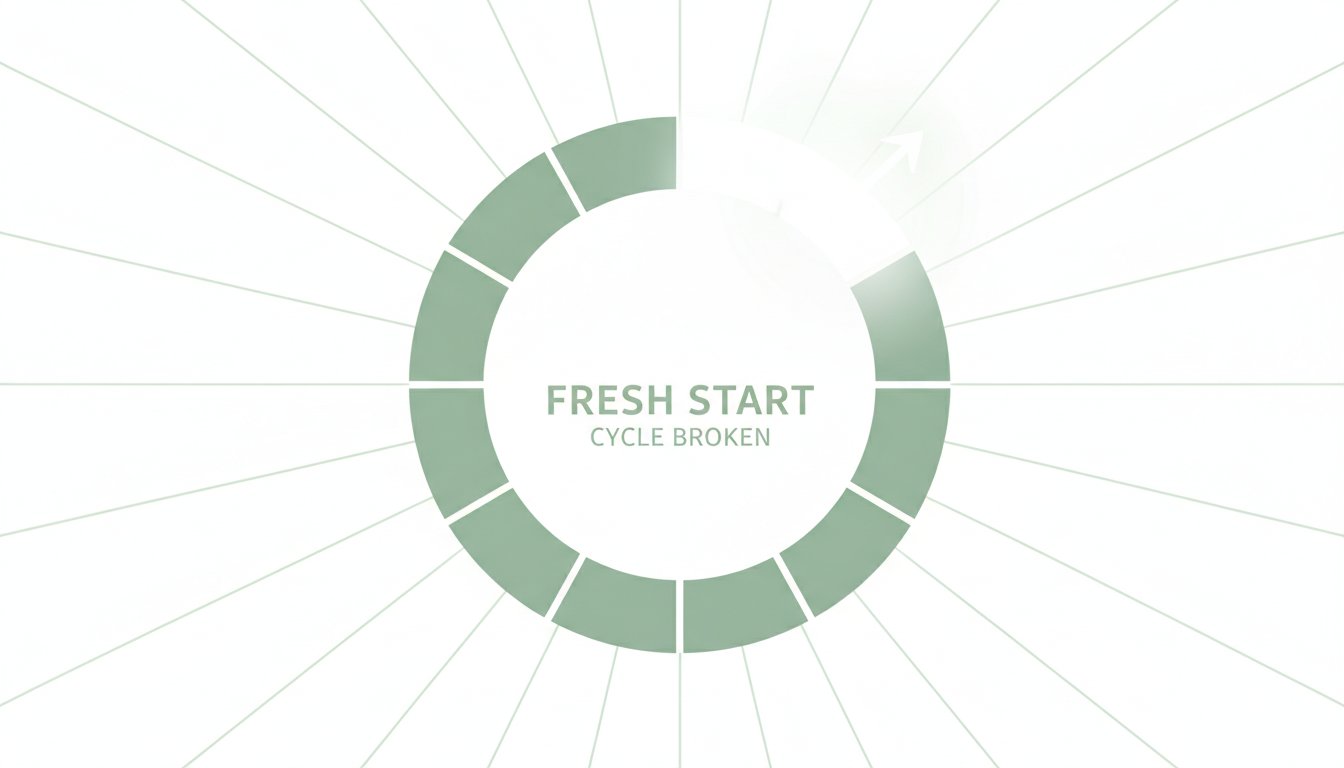
The Power of the Strategic Pause
A strategic pause isn't just about stopping a bad habit; it is about creating a deliberate gap between an impulse and an action. If you feel the urge to engage in a behavior you are trying to move away from, checking your tracker acts as a circuit breaker.
It forces you to acknowledge: "I have invested X number of days into this change. Is this impulse worth losing that momentum?" This simple act of checking your progress creates a moment of mindfulness. You are no longer acting on autopilot. You are choosing, with full awareness, how to proceed.
Consider the example of someone trying to reduce their reliance on impulsive online shopping. By tracking the days since their last "non-essential purchase," they create a barrier. Every time the urge hits, they look at their tracker. The number becomes a symbol of their commitment. It doesn't mean they never slip up, but it makes the slip-up a conscious choice rather than an unconscious slide.
Turning Data Into Growth
One of the most effective ways to use this method is to frame your tracking around positive growth rather than just restriction. Instead of only tracking "days since I did X," try tracking "days since I started Y."
If you are struggling with a habit, remember that progress is rarely a straight line. Many people find that tracking their journey helps them navigate the inevitable ups and downs of personal development. If you are struggling, please reach out to a professional or a trusted person in your life. Tracking is a tool to support you, not a judge to condemn your mistakes.
When you hit a milestone—like 30, 60, or 90 days—take a moment to reflect. What has changed in your daily life? How do you feel compared to day one? Often, the benefits are subtle: better sleep, more focused attention, or a sense of inner calm. Documenting these changes reinforces the value of the pause.
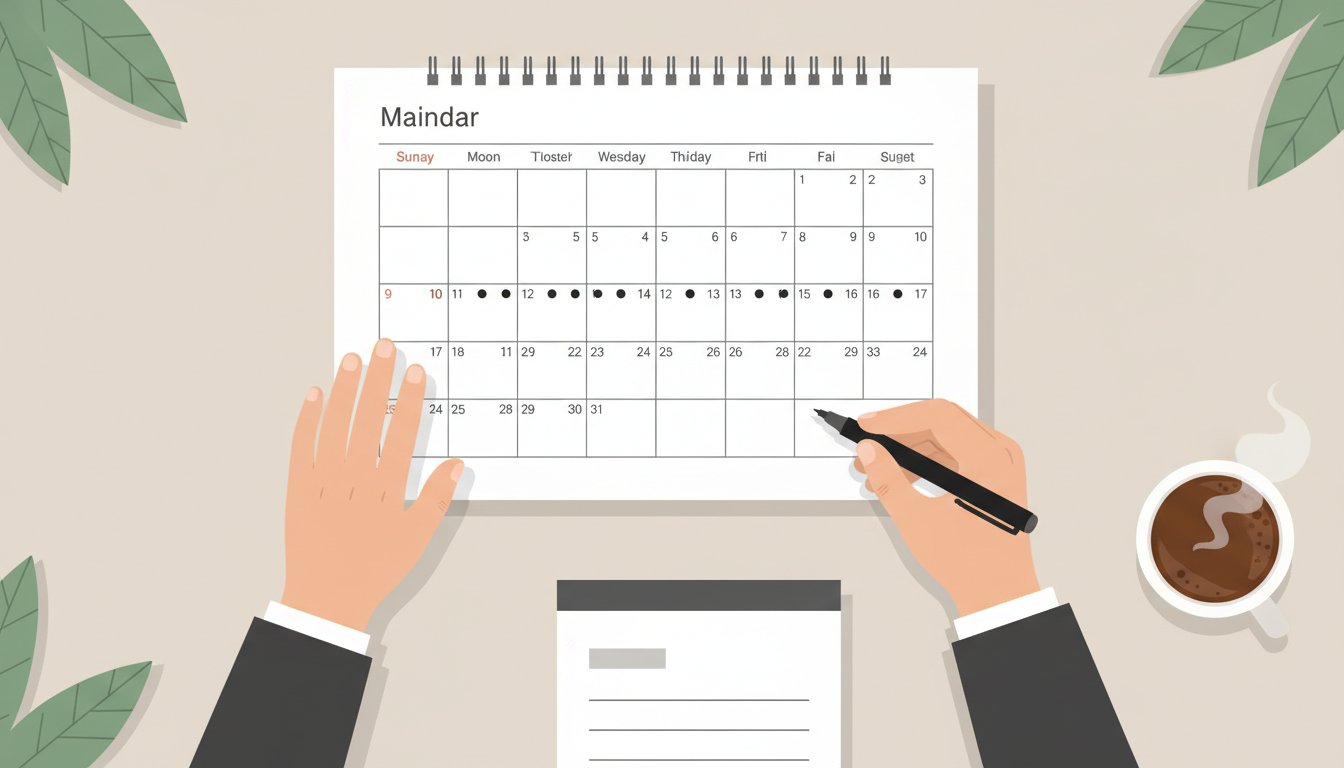
How to Start Tracking Today
You don't need a complex system to get started. The goal is to make the act of tracking as frictionless as possible. Whether you use a simple notebook, a digital calendar, or dedicated habit tracking apps, the key is consistency.
- Pick one behavior: Don't try to track everything at once. Start with the one habit that currently feels like it is holding you back the most.
- Define the milestone: Is it "days since I last skipped a workout" or "days since I last had a sugary drink"? Be specific.
- Check in daily: Make checking your progress a part of your morning or evening routine. This small ritual keeps your goal at the front of your mind.
- Celebrate the small wins: Don't wait for a year to pass. A 7-day or 10-day streak is a massive achievement. Acknowledge the effort you’ve put in.
As you see your "days since" count grow, you will likely notice that the intensity of your cravings or the pull of your old habits diminishes. This is the "extinction" phase of a habit—the point where the neural pathway for the old behavior begins to weaken because you have stopped reinforcing it.
The Long-Term View
Consistency is not about perfection. If you happen to break a streak, don't view it as a total reset. You haven't lost the knowledge or the discipline you gained during those days. You’ve simply gathered more data on what your triggers are.
Use that information to adjust your strategy. If you find yourself consistently slipping up on day 10, ask yourself what happens around that time. Is it stress? Is it a specific environment? By tracking these milestones, you become the scientist of your own life. You start to see patterns that were previously invisible.
Ultimately, tracking your progress is an act of self-respect. It says that your time, your effort, and your goals matter. When you see your streak grow, it serves as a powerful reminder of who you are becoming. It makes the future feel more attainable, one day at a time.
Key Takeaways
- Make it concrete: Use tracking tools to turn vague intentions into measurable milestones. This gives you psychological proof that you are capable of change.
- Use the pause to create space: A strategic pause acts as a circuit breaker, helping you transition from impulsive behavior to conscious, intentional choices.
- Focus on the trend, not the trap: If you experience a setback, you haven't lost your progress. Use the data you've collected to understand your triggers and adjust your approach.
- Start small: Choose one behavior to track, and make the act of checking your progress a non-negotiable part of your daily routine. Seeing your streak grow day by day provides the motivation needed to stay consistent.
- Remember the goal: Tracking isn't about the number itself; it's about the person you are becoming. By tracking your progress, you make your personal growth visible, sustainable, and real.
Build Better Habits — Track Your Streaks
Set goals, build streaks, and transform your life one habit at a time.