
- Published on
The 100-Day Nature Immersion Challenge
You’ve probably noticed how a quick walk through a park can turn a frazzled afternoon into a moment of genuine clarity. There is something about the crunch of leaves underfoot or the expansive view of the horizon that hits a "reset" button in our brains. Yet, in our modern lives, we often find ourselves trapped behind screens, tethered to artificial light, and caught in a cycle of constant stimulation.
The 100-Day Nature Immersion Challenge is a commitment to change that. It isn't about becoming a professional hiker or spending thousands of dollars on gear. It is simply about intentionally spending a small, consistent amount of time outdoors every single day for 100 days. Whether it’s sitting on your porch, walking to a nearby tree-lined street, or exploring a local forest, the goal is to shift your focus from the digital to the natural.
Why 100 Days Changes Your Perspective
The human brain evolved in nature, not in climate-controlled offices or high-rise apartments. When we are disconnected from the outdoors, our nervous systems often stay in a state of "low-level" alert. Research suggests that spending time in nature—a concept often referred to by psychologists as "nature connectedness"—can lower cortisol levels, reduce blood pressure, and improve mood significantly.
When you commit to a 100-day window, you move past the initial novelty of the habit and into a phase of true psychological adaptation. By day 30, you might notice you are sleeping better. By day 60, you may find that your focus during work tasks has improved. By day 100, nature stops being a "place you visit" and starts being a core part of your daily identity. Seeing your progress marked on a calendar or within a habit tracking app can provide that necessary visual proof that you are actually changing your daily rhythm for the better.
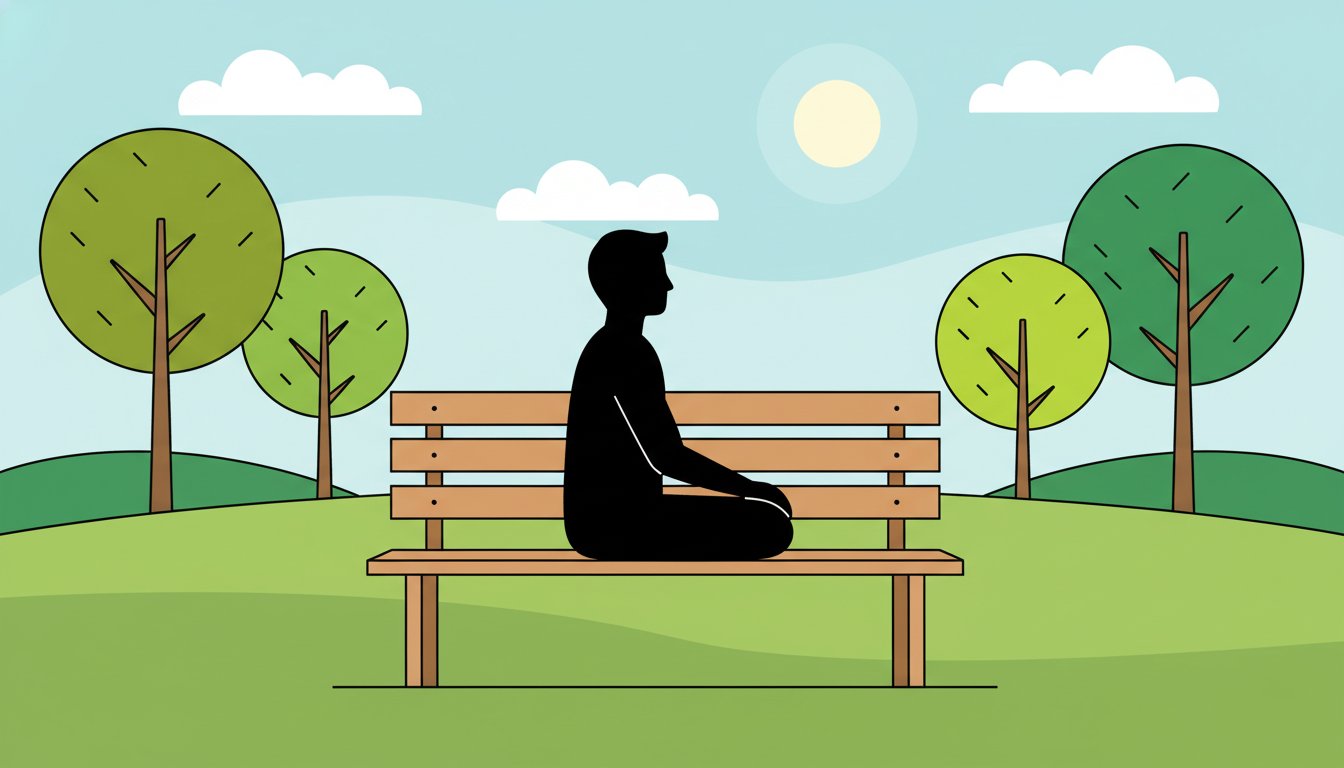
The Biological Shift: Why Nature Works
Think about the last time you felt truly stuck on a creative project. You were likely staring at a screen, clicking through tabs, and feeling the walls close in. This is "directed attention fatigue." Our brains have a limited capacity for focused concentration, and when we exhaust it, we become irritable and unproductive.
Nature provides "soft fascination." This is a state where our attention is held effortlessly by things like moving clouds, swaying trees, or rippling water. This state allows the parts of the brain responsible for intense focus to rest and recover. When you return to your work after a nature break, you aren't just refreshed; you are often more creative because your brain has had the chance to reorganize and connect dots that were invisible while you were stressed.
Designing Your 100-Day Challenge
To make this sustainable, you need to keep it simple. If you set the bar at "hiking for two hours a day," you will likely burn out by the end of the first week. Instead, aim for "nature micro-doses."
- Define your "Nature Zone": This could be your backyard, a local park, or even a quiet spot on a balcony where you can see the sky.
- Set a non-negotiable minimum: Start with 15 minutes. It is long enough to feel the benefit but short enough to fit into even the busiest schedule.
- Remove friction: Have your shoes ready and your phone notifications turned off. The easier it is to step outside, the more likely you are to keep your streak alive.
If you find yourself struggling to remember your daily commitment, consider using a countdown tool to track the days remaining in your challenge. There is something incredibly motivating about watching that number drop, knowing that each day brings you closer to a more grounded version of yourself.
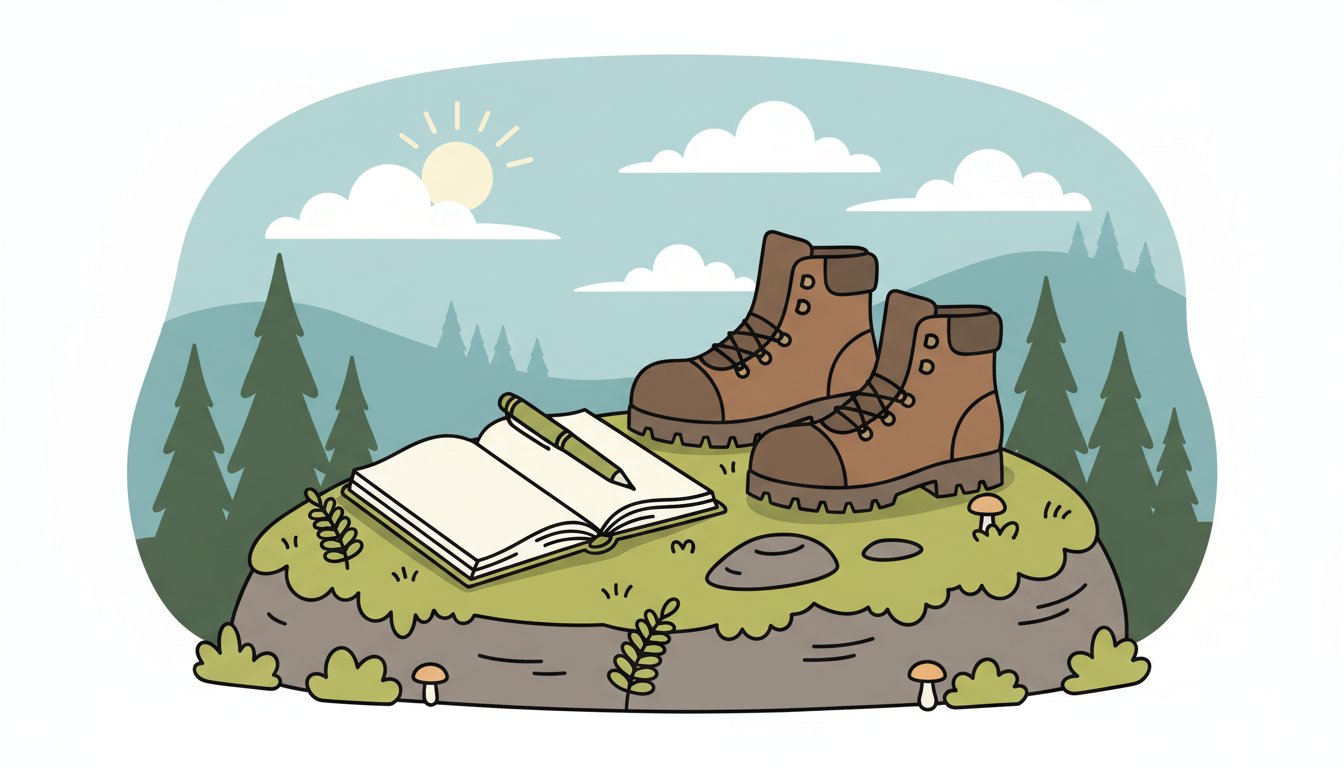
Overcoming Obstacles and Staying Consistent
The biggest enemy of any 100-day challenge is the feeling that "today is too busy." We often use bad weather or a packed schedule as an excuse to skip our commitment. Here is the secret: nature is not just sunshine and perfect temperatures.
If it is raining, step outside for five minutes under an umbrella. If it is cold, bundle up and walk to the end of the block. The point is not to have a "perfect" outdoor experience; the point is to maintain the consistency of the habit. When you treat the challenge as a non-negotiable appointment with your own well-being, you stop negotiating with your excuses.
If you do miss a day, don't let it derail the entire process. Acknowledge it, reset, and keep going. Keeping a visual record of your successful days can help you see the bigger picture. When you look back at a 50-day streak of consistent time spent outdoors, the motivation to keep that chain unbroken becomes a powerful force in your life.
The Long-Term Impact on Your Life
As you reach the final days of the challenge, you will likely notice that your relationship with stress has shifted. You are no longer solely dependent on digital escapes to feel relaxed. You have learned that a 15-minute walk can be just as restorative as an hour of scrolling, and far more productive for your mental clarity.
This challenge is ultimately about building a foundation of resilience. By spending time in nature, you are reminding yourself that you are part of something much larger than your daily to-do list. You are building a habit that supports your physical health, your mental clarity, and your long-term happiness.
If you are struggling with chronic stress or feelings of overwhelm that don't seem to lift, please reach out to a professional or a trusted person in your life. Nature is a powerful tool for wellness, but it is one piece of a much larger puzzle.
Key Takeaways
- Start small to stay consistent: Aim for 15 minutes of outdoor time daily to ensure the habit is sustainable, regardless of your schedule.
- Leverage "soft fascination": Use your time outdoors to let your mind wander; this is the key to recovering from mental fatigue and boosting creativity.
- Track your progress visually: Using a streak tracker or a simple calendar can help you stay committed through the first few difficult weeks of the challenge.
- Prioritize consistency over perfection: Even on busy or rainy days, a few minutes outside is better than skipping the habit entirely. Small, consistent efforts compound into significant life changes over 100 days.
Build Better Habits — Track Your Streaks
Set goals, build streaks, and transform your life one habit at a time.