
- Published on
The 100-Day Micro-Learning Habit for Rapid Skill Growth
You have probably felt the sting of a half-finished hobby or a neglected project. You start with the best intentions—maybe you buy a language app, a stack of books, or a fancy set of painting supplies—but life gets in the way. By the end of the week, the passion fades, the equipment gathers dust, and you are left wondering why your growth feels stuck.
The problem isn't your commitment or your intelligence. The problem is usually the scale of your ambition. We often try to "learn Italian" or "master coding" by committing to hours of intense study, which is a recipe for burnout. When you treat learning as a heavy chore rather than a daily ritual, your brain naturally seeks the path of least resistance: quitting.
The secret to rapid skill growth isn't more intensity; it is more consistency. By shrinking your learning sessions down to just 15 minutes a day for 100 days, you shift the focus from a daunting mountain to a series of manageable, rewarding steps.
Why 15 Minutes Changes Everything
Psychological research into "micro-learning" suggests that shorter, focused bursts of information lead to better retention than long, sporadic cram sessions. When you limit your study time to 15 minutes, you remove the barrier to entry. It is much easier to convince yourself to sit down for a quick session than it is to clear an entire afternoon for deep work.
Think about the way your brain processes new information. It requires "encoding" time, where your mind organizes and stores what you have learned. By spreading 1,500 minutes of learning across 100 days rather than doing it all in a few intense weekends, you give your brain the necessary downtime to consolidate those new neural connections.
This approach also hacks your motivation. When you check off a day on a calendar or log your time in a habit tracking app, you release small hits of dopamine. These tiny, frequent rewards build the momentum necessary to keep going when the initial excitement of a new project inevitably wanes.
How to Structure Your 100-Day Micro-Learning Habit
To make this work, you need a system that minimizes friction. If you spend 10 minutes deciding what to learn, you have already wasted two-thirds of your session.
1. Define the "Micro-Skill"
Don't aim to "learn photography." Instead, aim to "learn the rule of thirds," or "practice manual aperture settings." By breaking a giant skill into tiny, bite-sized components, you ensure that every 15-minute session results in a tangible win. If you can define the task clearly, you can complete it quickly.
2. Create an Environment of Ease
Keep your materials visible and ready. If you are learning guitar, leave it on a stand in the middle of your living room, not in a case in the closet. If you are learning a language, have your flashcards open on your desk. The goal is to make the "start" button as easy to press as possible.
3. Use the "Don't Break the Chain" Method
Consistency is the engine of growth. There is a psychological power in visual streaks. When you can see a record of your progress, you are far less likely to skip a day. Whether you use a physical wall calendar or a digital streak tracker, keeping your 100-day record visible turns your learning habit into a tangible identity—you become someone who shows up, no matter what.
Navigating the "Messy Middle"
Around day 30 or 40, the novelty will wear off. This is the stage where most people quit. The task might start to feel repetitive, or you might find yourself hitting a plateau where you feel like you aren't making progress.
Here is the thing: the plateau is actually a sign of growth. It means you are moving from the easy, superficial stage of learning into the deeper, more complex territory. When you feel the urge to stop, remind yourself that you only need 15 minutes. Even a "bad" session, where you feel distracted or sluggish, counts. The goal isn't to be perfect every day; the goal is to show up.
If you find yourself truly struggling with the content or feeling overwhelmed by the process, consider reaching out to a mentor or joining a community. If you are struggling with a sense of failure or persistent blocks, please remember that it is always okay to reach out to a professional or a trusted person in your life for support.
The Power of the 100-Day Milestone
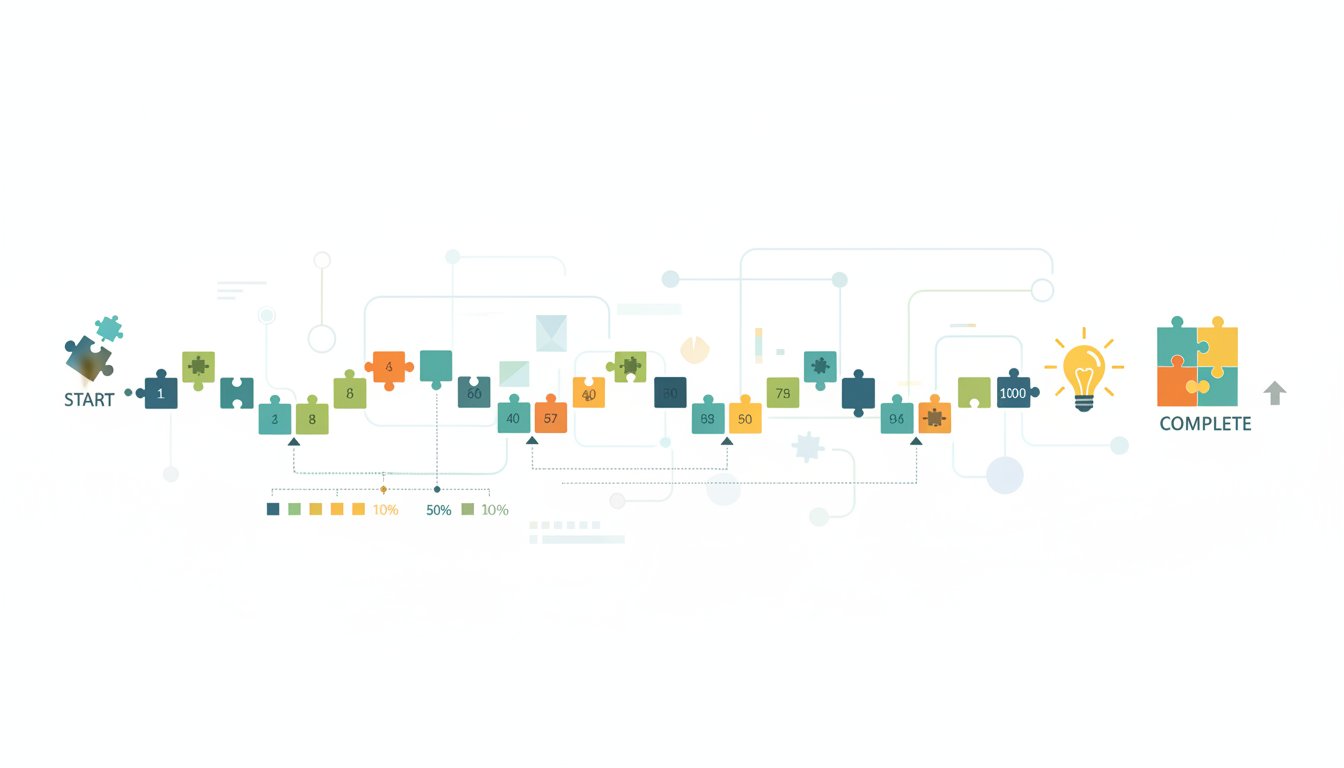
Why 100 days? It is long enough to create a genuine identity shift, but short enough to keep in your sights. By the time you reach day 100, you will have accumulated 25 hours of focused, deliberate practice. That is more than enough to go from a complete novice to a competent beginner in almost any field.
Beyond the skill itself, you will have learned something even more valuable: how to manage your own discipline. You will have proven to yourself that you can stick to a commitment. Once you have successfully completed one 100-day cycle, you will have a template to learn anything else you desire.
Start by setting a countdown for your 100-day goal. Seeing the days tick down can make your progress feel more real and urgent. When you can visualize the end date, you are more likely to push through the days where motivation is low.
Key Takeaways
- Shrink the Goal: Break your target skill into small, actionable parts. Spend 15 minutes a day on one tiny component rather than trying to conquer the whole subject at once.
- Remove Friction: Keep your learning tools visible and accessible. The easier it is to start, the more likely you are to stay consistent.
- Track Your Progress: Use a habit tracking app or a physical calendar to maintain a streak. Seeing your 100-day chain grow is one of the most effective ways to stay motivated.
- Embrace the Plateau: When learning gets boring or hard, remember that you only need to commit to 15 minutes. Showing up on the "off" days is what separates those who learn from those who dream.
- Celebrate the Milestone: By the end of 100 days, you will have built not just a new skill, but the identity of someone who can commit to long-term growth. Tracking your daily wins makes that transformation visible.
Build Better Habits — Track Your Streaks
Set goals, build streaks, and transform your life one habit at a time.