
- Published on
Reset Your Brain: A Beginner's Guide to Dopamine Detox
You know that feeling when you’ve been scrolling through social media for an hour, and even though you’re bored, you can't seem to put the phone down? Or maybe you find yourself opening the fridge every twenty minutes, not because you’re hungry, but because you’re looking for a "hit" of something tasty?
That restless, itchy feeling in your brain is a sign that your reward system is running on overdrive. Most of us are living in a state of constant overstimulation. We are bombarded with notifications, high-calorie foods, endless streaming options, and instant gratification. Over time, our brains get used to this high level of input. The result? Everyday life—the kind that requires focus, patience, and quiet—starts to feel incredibly dull.
The good news is that your brain is remarkably plastic. You can "reset" your baseline and reclaim your ability to enjoy the simple things. This is where the dopamine detox comes in. It’s not about removing a chemical from your brain (that’s impossible and would be dangerous); it’s about lowering your tolerance to high-stimulation activities so you can find your focus again.
Understanding the Dopamine Baseline
Before you jump into a detox, you need to understand what’s happening under the hood. Dopamine is often called the "pleasure chemical," but that’s a bit of a misunderstanding. Neuroscientists actually view dopamine as the molecule of anticipation and motivation. It’s the "I want that" chemical, not necessarily the "I like this" chemical.
Think about it this way: the hit of dopamine comes when you see the notification on your phone, not necessarily when you read the message. It’s the drive that keeps you seeking, searching, and wanting more.
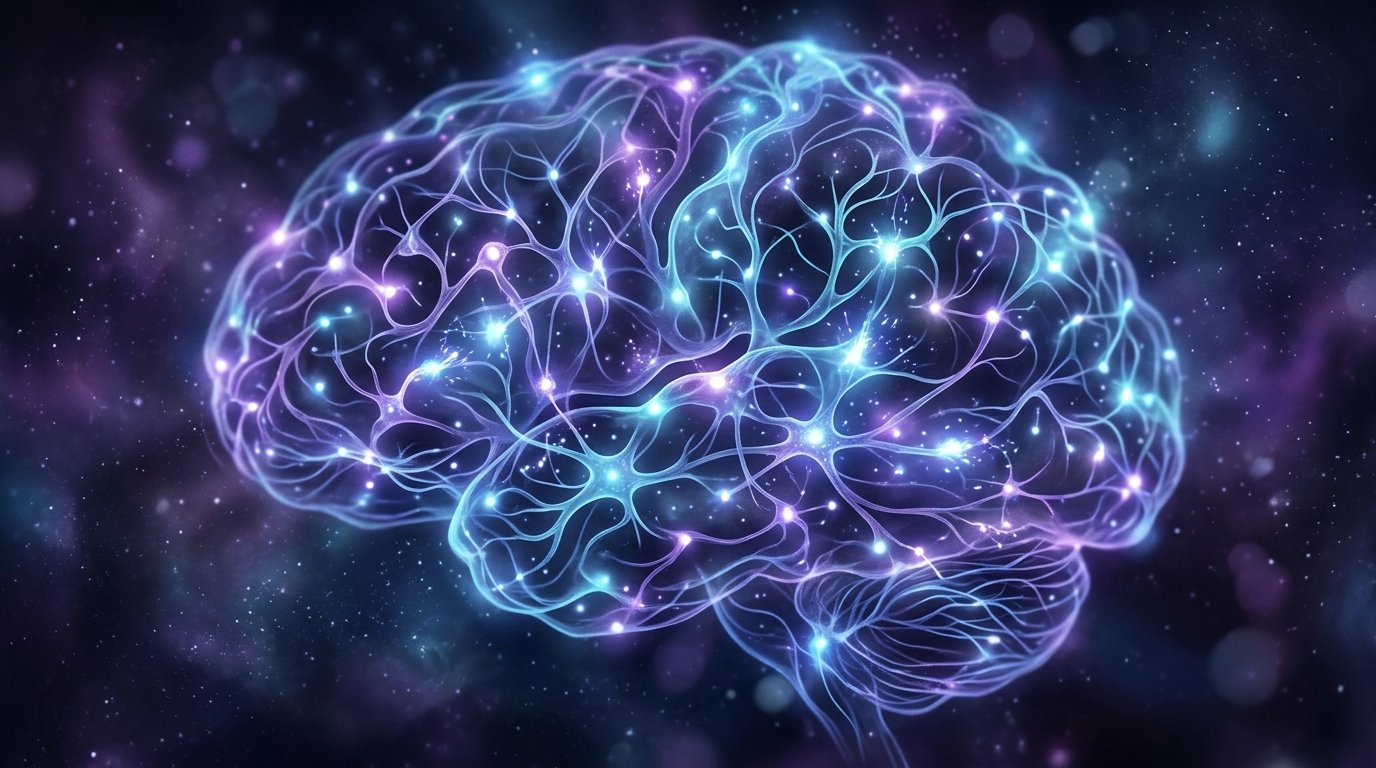
Our brains have a natural "baseline" for dopamine. When we constantly engage in high-stimulation activities—like playing video games for hours, binge-watching shows, or eating highly processed sugar—we spike our dopamine levels far above that baseline. To protect itself from being overwhelmed, the brain downregulates its receptors. It essentially "turns down the volume" so it doesn't get fried by the constant noise.
This leads to a state called anhedonia, where nothing feels quite "enough" anymore. You need more stimulation just to feel "normal." If you’ve ever felt like you can’t sit through a movie without checking your phone, you’ve experienced this downregulation firsthand.
The Goal of a Dopamine Detox
A dopamine detox (or "dopamine fasting") is a period where you intentionally avoid high-stimulation activities. The goal isn't to live like a monk forever. Instead, it’s a strategic reset to allow your brain’s receptors to recover. By temporarily removing the "loudest" sources of stimulation, you allow your baseline to return to a healthy level.
When your baseline is reset, you’ll find that tasks you previously found "boring"—like reading a book, going for a walk, or working on a deep project—actually become enjoyable again. You regain your mental clarity and, more importantly, your sovereignty over your own attention.
How to Prepare for Your First Reset
Don't just wake up and decide to "detox" without a plan. That’s a recipe for failing by lunch. You need to decide on the duration and the rules.
For beginners, I usually recommend a 24-hour Total Reset. Choose a day—usually a Saturday or Sunday—where you have zero work obligations. If 24 hours feels too daunting, start with a "Digital Sunset," where you commit to zero stimulation from 6:00 PM until you go to bed.
Define Your "No-Go" List
Every detox looks different, but for a true reset, you should avoid:
- Screens of all kinds: No phone, no laptop, no TV, no gaming.
- Highly processed foods: No added sugar, no junk food, no caffeine (if you’re brave).
- Instant gratification shopping: No scrolling through online stores.
- Information overload: No podcasts, no audiobooks, and no news.
Define Your "Safe" List
What can you do? This is where people get nervous. If you aren’t scrolling, what are you doing?
- Journaling: Writing with a physical pen and paper.
- Meditation or quiet reflection: Just sitting with your thoughts.
- Light physical activity: A walk in nature (without headphones).
- Reading: A physical book (nothing too "thrilling" or fast-paced).
- Simple chores: Cleaning your space or prepping a simple, whole-food meal.
The Roadmap: Your 24-Hour Detox Day
Here is what a typical reset day looks like for a beginner.
The Night Before: Put your phone in a drawer or another room. Set a physical alarm clock if you need one. Tell your friends and family you’ll be "off-grid" for 24 hours so you don't feel the phantom itch of "what if someone needs me?"
The Morning: Wake up and resist the urge to check for notifications. Instead, drink a glass of water and sit by a window. You might feel a wave of anxiety or boredom almost immediately. This is normal. It’s your brain demanding its usual "hit." Acknowledge the feeling, but don't act on it.
The Afternoon: This is usually when the "boredom wall" hits. You might feel restless or even irritable. This is actually a good sign—it means your brain is beginning the process of recalibrating. Spend this time doing something "slow." Go for a long walk. Notice the colors of the leaves or the sound of the wind. Without a podcast in your ears, you’ll be surprised at how much your brain starts to notice.
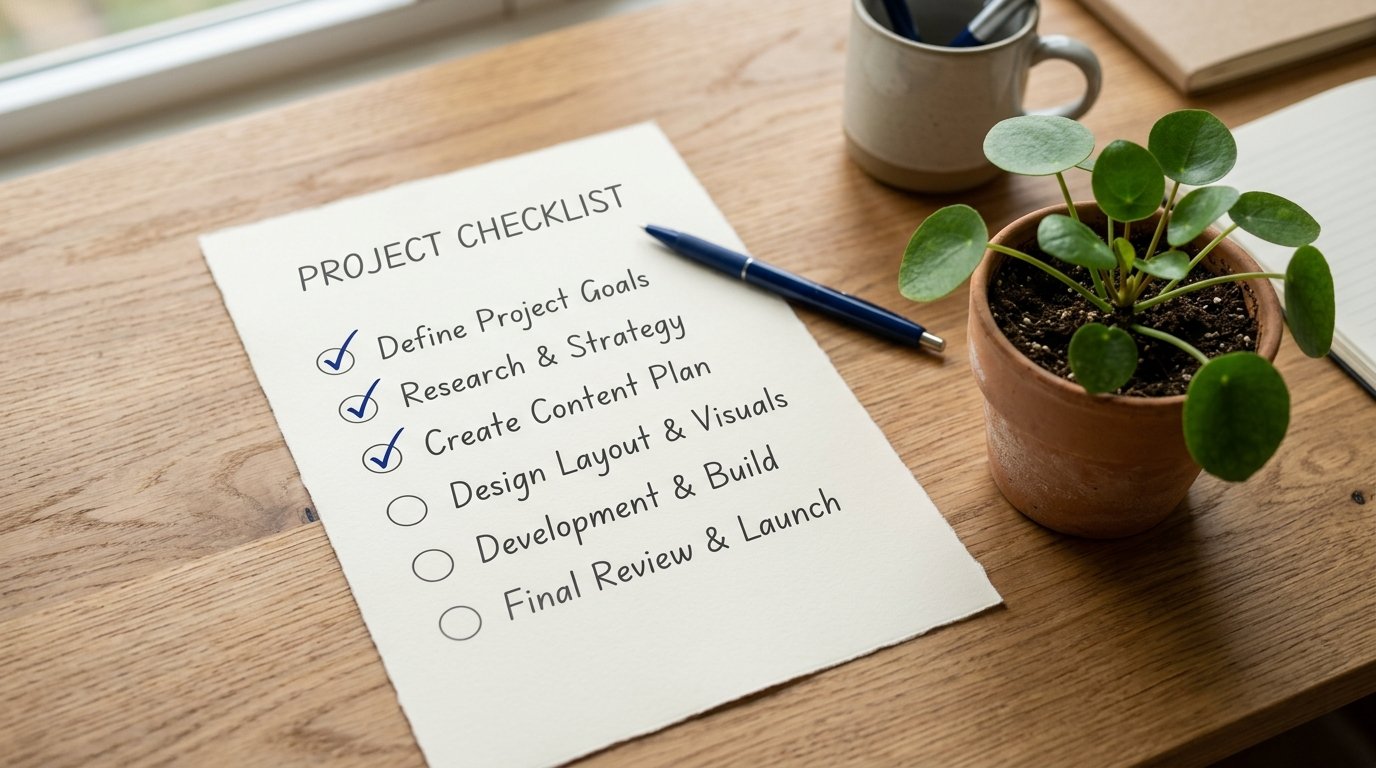
The Evening: Use this time for reflection. Grab a journal and write about your experience. What did you crave the most? When did you feel the most restless? Seeing your progress on paper can be incredibly motivating. If you're someone who likes seeing physical growth, you might even start tracking these reset days as a recurring streak to see how often you can give your brain this much-needed rest.
Transitioning Back: The "Slow Dopamine" Lifestyle
The real challenge isn't the 24-hour detox; it’s what happens the next day. If you finish your detox and immediately spend six hours on social media, you’ll undo all the progress you made.
The goal is to move from "Fast Dopamine" to "Slow Dopamine."
- Fast Dopamine: Scrolling, sugar, gambling, "outrage" news. It’s easy to get, but leaves you feeling empty.
- Slow Dopamine: Finishing a difficult workout, learning a new skill, cooking a healthy meal, building a relationship. It requires effort, but the reward is long-lasting and doesn't fry your receptors.
Think about it this way: Fast dopamine is like eating candy for every meal. Slow dopamine is like a nourishing, balanced dinner. You need to consciously choose the "slower" path more often.
One way to stay consistent is to set a countdown to your next reset day. Knowing that you have a dedicated "brain rest" day coming up can make it easier to stay disciplined during the work week. You might also find that tracking the "days since" your last mindless scrolling binge helps you build a sense of pride in your self-control. Seeing that number go up can provide a healthy, "slow" dopamine hit of its own.
Dealing with the "Withdrawal"
It’s important to be realistic: you will probably feel worse before you feel better. When you stop the constant flow of stimulation, your brain might feel "foggy" or "flat." You might even feel a bit sad.
This is because your brain is temporarily in a deficit. It’s waiting for the high levels of stimulation it’s used to, and it hasn't quite adjusted to the new, lower levels yet. Be patient with yourself. This "flatness" usually passes within 24 to 48 hours.
Note: If you're struggling with deep-seated habits or find that your mental health is severely impacted by these changes, please reach out to a professional or a trusted person in your life.
Practical Steps to Start Today
You don’t have to wait until the weekend to start reclaiming your focus. Here are three things you can do right now:
- Grey-scale your phone: Go into your settings and turn off the colors. When your phone is in black and white, it becomes significantly less "rewarding" to look at.
- The 10-Minute Rule: If you feel a strong urge to check social media or eat a sugary snack, tell yourself you can have it—but only after waiting 10 minutes. Often, the "itch" will pass before the timer is up.
- Create a "No-Phone Zone": Decide that the bedroom or the dinner table is a phone-free area. This creates natural, built-in mini-detoxes throughout your day.
The more you practice these small habits, the more your "streak" of mental clarity grows. Over time, you’ll find that you don't need the constant noise to feel happy. You’ll find that a quiet afternoon is no longer something to be feared, but something to be enjoyed.
Key Takeaways
- Dopamine is about anticipation, not just pleasure. Constant overstimulation raises your baseline, making normal life feel boring.
- A detox is a strategic reset. It allows your brain's receptors to recover so you can find focus and joy in simple activities again.
- Preparation is key. Define your "no-go" and "safe" lists clearly before you start your reset day.
- Focus on "Slow Dopamine" during re-entry. Replace instant gratification with activities that require effort and provide lasting satisfaction.
- Consistency beats intensity. Tracking your progress, whether through a streak of "clean days" or a scheduled monthly countdown to a reset, helps turn a one-time experiment into a life-changing habit.
Build Better Habits — Track Your Streaks
Set goals, build streaks, and transform your life one habit at a time.