
- Published on
Mastering Goals: Using Countdown Timers for Success
You have a goal that feels monumental. Maybe it is finishing a degree, saving for a first home, or finally launching that side project you have been dreaming about for years. When you look at the calendar, the deadline feels like a vague, distant concept. It is easy to tell yourself that you have "plenty of time," so you put off the hard work until tomorrow.
Here is the thing: tomorrow is a dangerous place to store your ambitions. When goals remain abstract, they rarely move from thought to reality. The secret to making progress isn't just having more discipline; it is changing how you perceive time. You need to make the invisible visible.
The Psychology of the Countdown
Human beings are wired to prioritize immediate rewards over long-term benefits. This is why a deadline six months away feels less urgent than a distraction right in front of you. Psychologists call this "hyperbolic discounting"—the tendency to choose smaller, immediate rewards over larger, later ones.
By using a countdown timer, you hack this cognitive bias. A countdown transforms a vague deadline into a constant, present reality. It shifts your focus from the overwhelming size of the goal to the finite amount of time you have to reach it. When you see exactly how many days remain, your brain stops treating the project as a "someday" task and starts treating it as a "this-is-happening" reality.
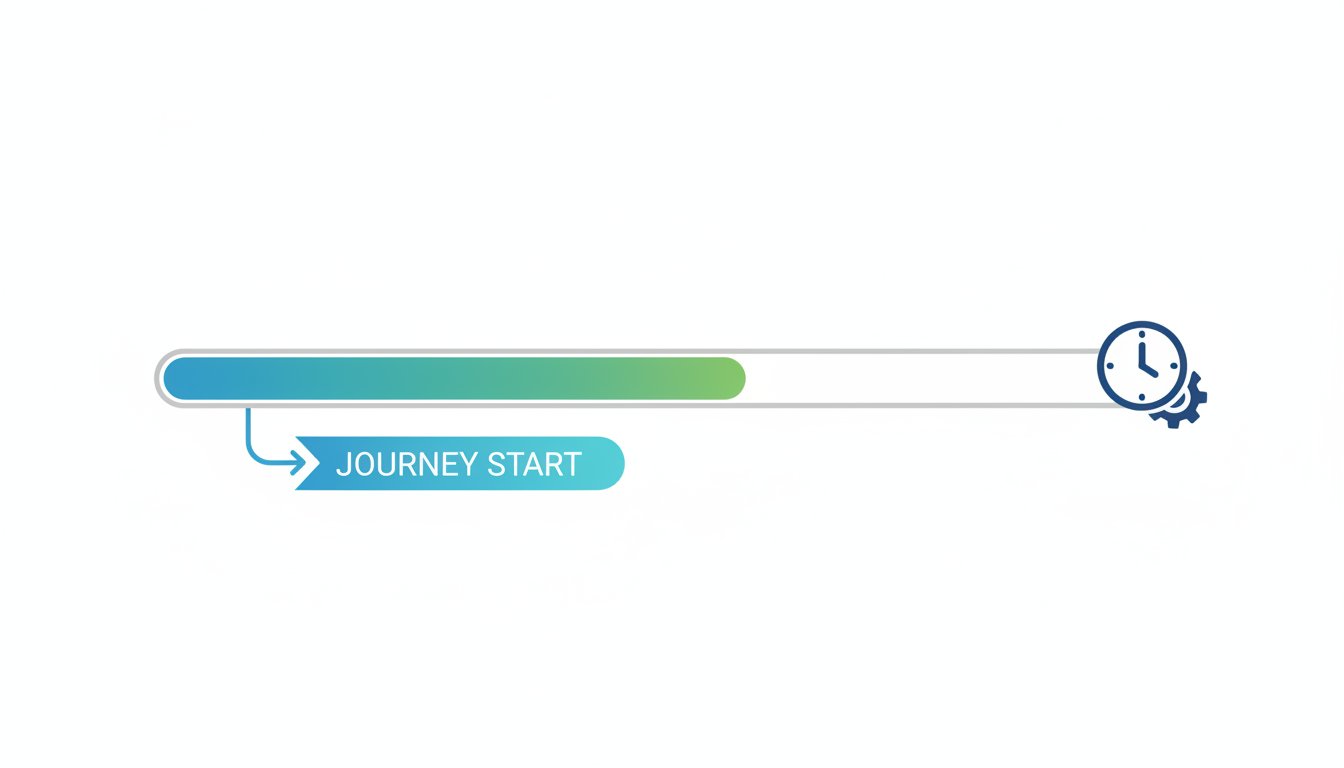
Turning Big Goals into Daily Actions
A countdown timer is not just a reminder of the finish line; it is a tool for daily calibration. If you have 100 days until a major milestone, you can break that period into smaller, manageable chunks. Instead of worrying about the entire project, you only focus on what needs to happen within the next 24-hour cycle.
Think about it this way: if you are training for a physical challenge, a countdown timer helps you see if you are on track with your preparation. If you see the days ticking down and realize you haven't put in the necessary work, that visual gap creates a healthy sense of urgency. It acts as a compass, telling you to pivot or double down on your efforts.
How to Set Up Your Countdown Strategy
To make this work, you need to be intentional about how you track your time. Here is a simple, effective approach to get you started today:
- Pick One Major Milestone: Don't try to track five things at once. Choose the one goal that, if achieved, would make the biggest impact on your life right now.
- Set a Concrete End Date: "In six months" is not a date. Pick a specific day on the calendar. That date is your anchor.
- Use a Visual Tool: Find a place where you will see your countdown daily. Whether it is a dedicated widget on your phone or a physical calendar on your wall, visibility is non-negotiable.
- Link the Countdown to Action: Every time you look at the timer, pair it with a single, small action. If you are writing a book, looking at the countdown is your prompt to write just 200 words.
Using countdown tools can help you maintain momentum when the initial excitement of a new goal starts to fade. When you see those days decreasing, it reminds you that every single one counts.
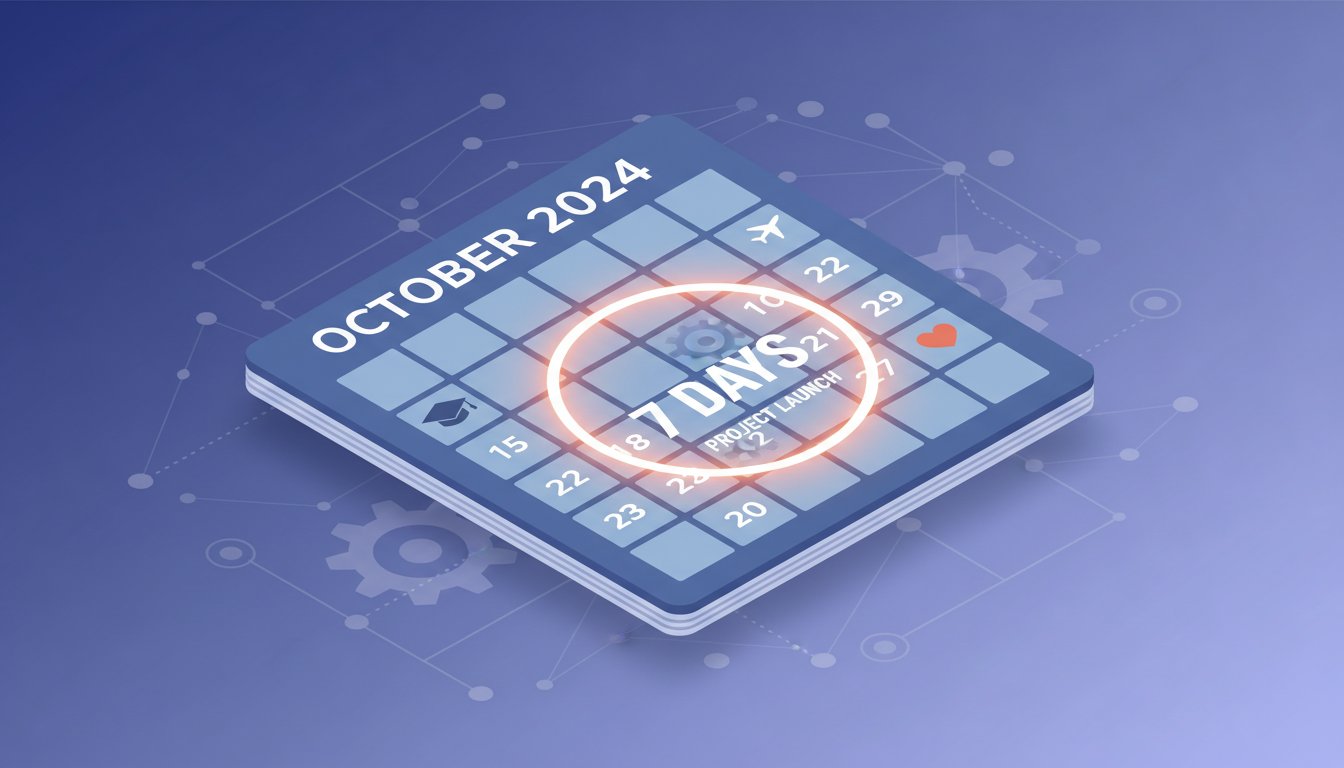
Staying Consistent When Motivation Wanes
There will be days when you simply do not feel like working toward your goal. This is normal. Motivation is fleeting; it is the first thing to disappear when you are tired or stressed. The beauty of a countdown is that it relies on structure rather than mood.
When you feel like skipping a day, look at your countdown. Does the remaining time feel comfortable, or does it feel tight? If you have been consistent, you will feel a sense of pride as you watch the numbers drop. If you have been slacking, the visual reminder serves as a gentle wake-up call to get back on track.
If you are struggling with a goal that feels deeply personal or overwhelming, please remember that you don't have to carry the pressure alone. If you're struggling, please reach out to a professional or a trusted person in your life. Growth is a journey, and having support is part of the process.
Making Progress Visible
The most successful people aren't necessarily the most talented; they are the ones who know how to manage their attention. By visualizing your timeline, you move from "dreaming" to "doing." You start to treat your time as a limited, precious resource.
When you look back after 30, 60, or 90 days of tracking, you will see a trail of progress. You aren't just counting down to an end date—you are measuring the growth of your own persistence. Small progress becomes visible when you track it daily, and that visibility is often the fuel you need to cross the finish line.
Key Takeaways
- Make the abstract concrete: Use a countdown timer to turn distant deadlines into daily reminders, which helps counteract the tendency to procrastinate.
- Focus on the micro-steps: Use the remaining time to break your massive goal into small, daily actions that you can commit to immediately.
- Visual cues build discipline: Watching the days tick down creates a healthy sense of urgency, helping you stay consistent even when your motivation is low.
- Track your journey: Whether you are using countdown tools or simply marking days on a wall, seeing your progress makes your hard work feel tangible and rewarding.
You have the power to control your timeline. Start by setting your countdown today, and watch how quickly your biggest goals move from the "someday" pile into your daily routine.
Build Better Habits — Track Your Streaks
Set goals, build streaks, and transform your life one habit at a time.