
- Published on
How to Stop Habit Creep: Save Your Routines
You wake up at 6:00 AM, stretch, pour a glass of water, and sit down to read for twenty minutes. It feels amazing. You are in control, energized, and ready to take on the day.
But fast forward three months. You still wake up at 6:00 AM, but now you grab your phone first. "Just checking the weather," you tell yourself. Ten minutes of mindless scrolling later, you finally drag yourself out of bed. You pour the water, but you drink it while scanning work emails. By the time you open your book, you only have four minutes left before you have to rush out the door.
You are still technically doing your routine, but the quality has completely evaporated.
This is habit creep.
The Psychology of the Slow Slide
Here's the thing: habits rarely collapse overnight. Instead, they erode. Habit creep is the slow, almost invisible decay of a good routine. It happens when small compromises accumulate over time until your positive daily practices are completely unrecognizable.
Psychologists often refer to this as "cognitive drift." When you first build a routine, your brain requires high focus and conscious effort to execute it. Over time, as the behavior becomes automatic, your brain naturally looks for ways to conserve energy. If you do not actively guard the boundaries of your routine, your brain will take the path of least resistance.
Think about it this way. A strict "no screens in bed" rule slowly turns into "just checking my calendar for tomorrow." Within a few weeks, that boundary dissolves entirely, and you are back to late-night scrolling. The change is so gradual that you do not even realize you have lost the habit until it is gone.
The Sneaky Loopholes We Use to Justify Creep
To fight habit creep, we have to understand the mental loopholes we use to justify it. Our brains are incredibly creative when it comes to making excuses that protect our comfort.
The most common culprit is the "one-time exception" loophole. You tell yourself, "I'm too tired today, so I'll skip the gym just this once." But that single exception lowers the psychological barrier for the next one. Soon, the exception becomes your new default setting.
Another common trigger is "routine inflation." This happens when you try to make your habits too perfect. You start with a simple, successful five-minute meditation habit. Then you decide to add journaling, stretching, tea-brewing, and gratitude lists. Suddenly, your simple morning routine takes two hours. Because it is unsustainable, you stop doing all of it.
Step 1: Define Your Minimum Viable Routine
When life gets chaotic, rigid routines are always the first things to break. To stop habit creep before it starts, you need to know the absolute bare minimum required to keep your habit alive. This is your Minimum Viable Routine (MVR).
If your ideal workout is 45 minutes at the gym, your MVR might be ten air squats and a five-minute stretch in your living room. If your ideal journaling habit is writing three pages, your MVR is writing one single sentence.
By defining your MVR, you remove the "all-or-nothing" mentality that kills consistency. On days when you are exhausted, busy, or stressed, you do not abandon the routine. You simply drop down to your MVR. This keeps the neural pathway active and preserves your momentum without causing burnout.
Step 2: Draw Hard Lines with If-Then Rules
Habit creep thrives in ambiguity. If you do not have clear rules, you will make decisions based on how you feel in the moment. When willpower is low, you will almost always choose the easiest option.
You can combat this by using implementation intentions, commonly known as "If-Then" planning. Developed by psychologists to help people stick to goals, this strategy involves deciding beforehand exactly how you will handle obstacles.
Let's break this down into practical examples:
- If I feel too tired to read for 30 minutes, then I will read for five minutes.
- If I check my phone before my morning walk, then I must leave my phone in another room for the rest of the morning.
- If I miss my morning workout today, then I must do my MVR workout tomorrow without exception.
These pre-loaded decisions prevent your brain from negotiating with you when you are tired or distracted.
Step 3: Track Consistency to Expose the Slide
How do you actually know if your routine is slipping? You make the data visible. Without tracking, our minds are highly skilled at rewriting history to make us feel better about our progress.
You might think you have only skipped your evening stretching routine twice this week. However, a quick look at a calendar might reveal you have actually skipped it five times.

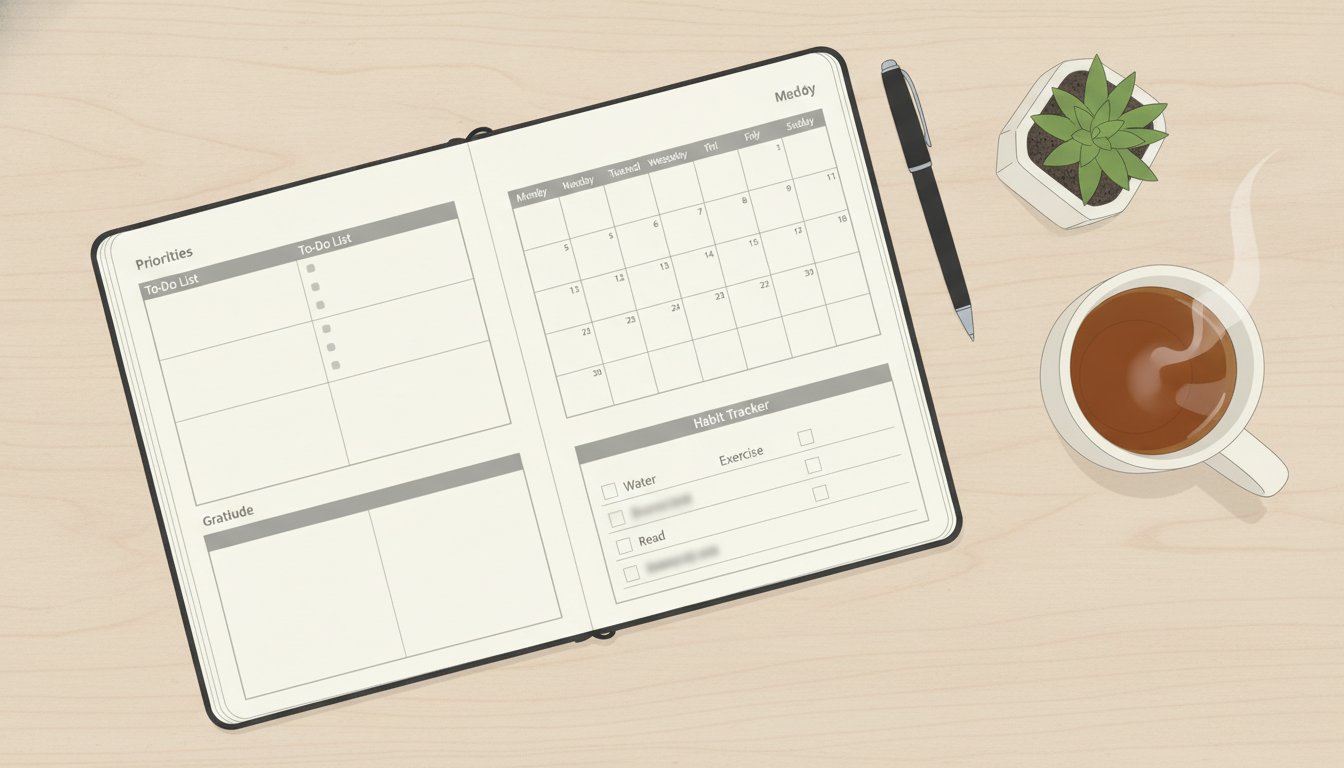
This is where visual tracking becomes your best defense. Using a habit tracking app to log your daily progress creates an immediate, honest feedback loop. Seeing your streak of successful days grow provides a small, satisfying hit of dopamine that reinforces the behavior.
More importantly, tracking highlights the exact moment habit creep begins. If you notice your streak is being kept alive only by MVR days or frequent resets, you can intervene before the habit collapses entirely. It turns an invisible slide into a visible metric you can manage.
Step 4: Perform a Bi-Weekly Routine Audit
Just like a business audits its finances, you need to audit your routines. Every two weeks, take ten minutes to review how your habits are actually going versus how you want them to go.
Ask yourself these three simple questions:
- Did this routine feel harder to start this week than it did last week?
- Have I introduced any "shortcuts" that are lowering the quality of the habit?
- Is this routine still serving my current goals, or has it become too bloated?
If you find that a habit is creeping backward, do not panic. Simply strip away the extra fluff, return to the basics, and focus on rebuilding a clean, simple version of the habit for the next seven days.
How to Reset When a Routine Has Already Broken
What if the creep has already won? What if your once-pristine daily routine is now a chaotic mess of snoozing, rushing, and stress?
First, forgive yourself. Beating yourself up only increases the negative emotions associated with the habit, which makes you less likely to try again.
Second, scale back to day one. Do not try to jump back into a complex, multi-step routine immediately. If you stopped exercising for a month, do not start with a grueling, hour-long workout. Start with a ten-minute walk.
You can also use a countdown to build anticipation and commitment for a fresh start. Setting a countdown tool for a "Routine Reset Day" gives your brain a psychological clean slate. It creates a clear boundary between the messy past and your organized future.
Key Takeaways
- Habit creep is a slow erosion: Good routines rarely disappear overnight; they degrade through small compromises and mental loopholes.
- Define your MVR: Always have a "Minimum Viable Routine" to keep your momentum alive on your hardest days.
- Set clear boundaries: Use "If-Then" planning to eliminate in-the-moment negotiations with your brain.
- Track your habits: Use habit tracking apps to make your consistency visible and catch the slide before your routine breaks.
- Audit your routines: Take ten minutes every two weeks to strip away routine inflation and refocus on the basics.
Build Better Habits — Track Your Streaks
Set goals, build streaks, and transform your life one habit at a time.