
- Published on
How to Quit Nail Biting with Days Since Tracking
You look down at your hands, and a familiar sting sets in. Your cuticles are raw, your nails are unevenly short, and there is a dull ache in your fingertips. You did not even realize you were doing it until the pain woke you up from your trance.
If this sounds familiar, you are not alone. Nail biting, known scientifically as onychophagia, is a body-focused repetitive behavior that affects millions of people worldwide. It is often an unconscious reaction to stress, boredom, or anxiety. But here is the thing: simply knowing it is bad for you does not make it any easier to stop.
To break this loop, we have to understand what is happening in the brain. Nail biting provides a temporary hit of dopamine or a sense of sensory relief when we feel overwhelmed or under-stimulated. It is a physical coping mechanism that your brain has turned into an automatic program.
If you find that your nail biting is severe, causes deep infections, or is tied to intense anxiety, please reach out to a professional or a trusted person in your life.
For many, the secret to quitting lies in making the invisible progress visible. This is where tracking the days since you last bit your nails becomes a game-changer.
Why "Days Since" Tracking Is the Ultimate Habit Breaker
When you bite your nails, you do it mindfully maybe five percent of the time. The other 95% is completely automatic. You do it while watching a movie, reading an email, or standing in line.
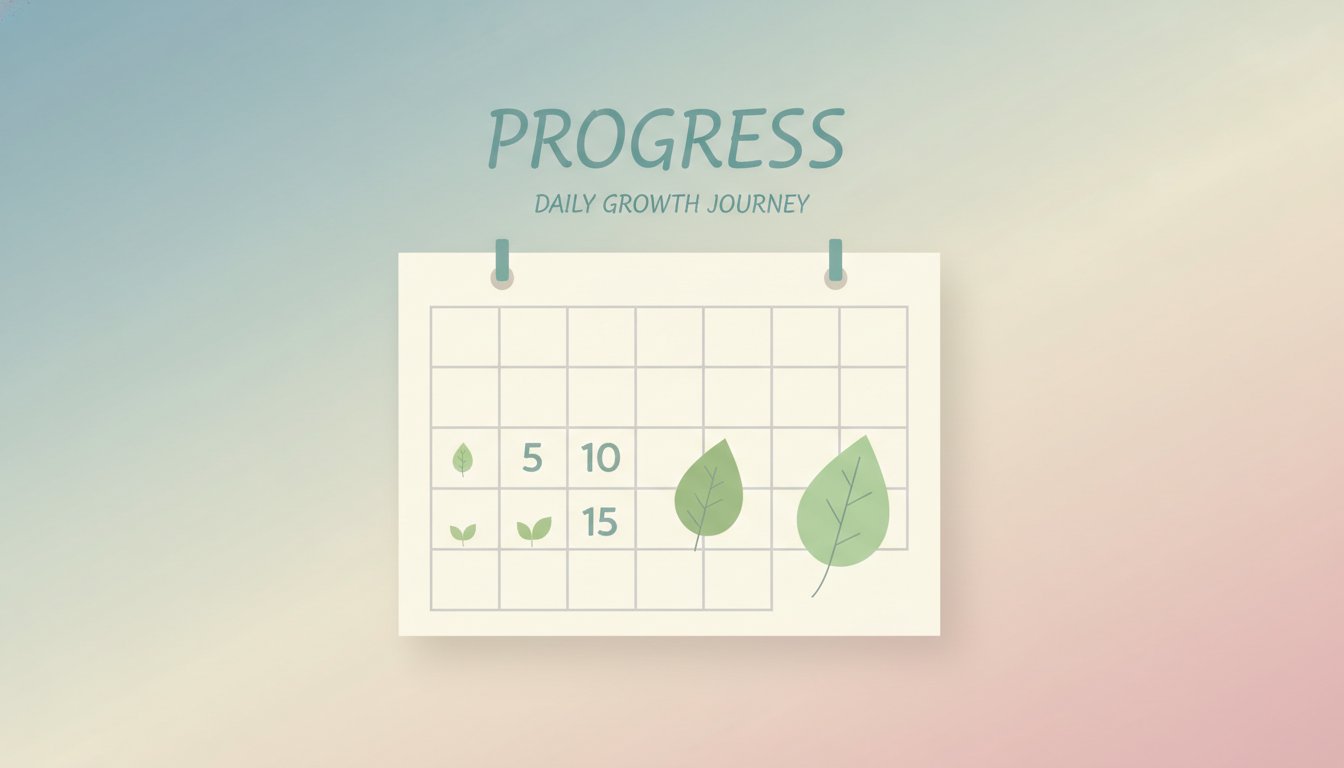
By introducing a "days since" tracker, you create a conscious pause in your brain. Every time your hand drifts toward your mouth, your brain remembers the metric. You think: I have a nine-day streak. Do I really want to reset that to zero for ten seconds of mindless chewing?
This visual tracker shifts your identity. You stop being "someone who is trying to stop biting their nails" and start being "someone who has not bit their nails in nine days." That identity shift is where real, lasting change happens.
Habit Reversal Training: The Competing Response
Let's break this down. You cannot just tell yourself to "stop biting." Your hands need something else to do when the urge strikes. This is the core principle of Habit Reversal Training (HRT), a highly effective psychological framework for overcoming repetitive behaviors.
First, you must identify your triggers. Do you bite your nails when your hands are empty? When you feel a rough edge on a nail? Or when you are facing a difficult task at work?
Once you know your triggers, you must choose a competing response. This is an action that makes nail biting physically impossible. It should be something you can hold for at least 60 seconds until the urge passes.
Here are a few highly effective competing responses:
- Clenching your fists and placing them flat on your thighs.
- Interlocking your fingers and resting your hands in your lap.
- Sitting on your hands if you are at a desk or driving.
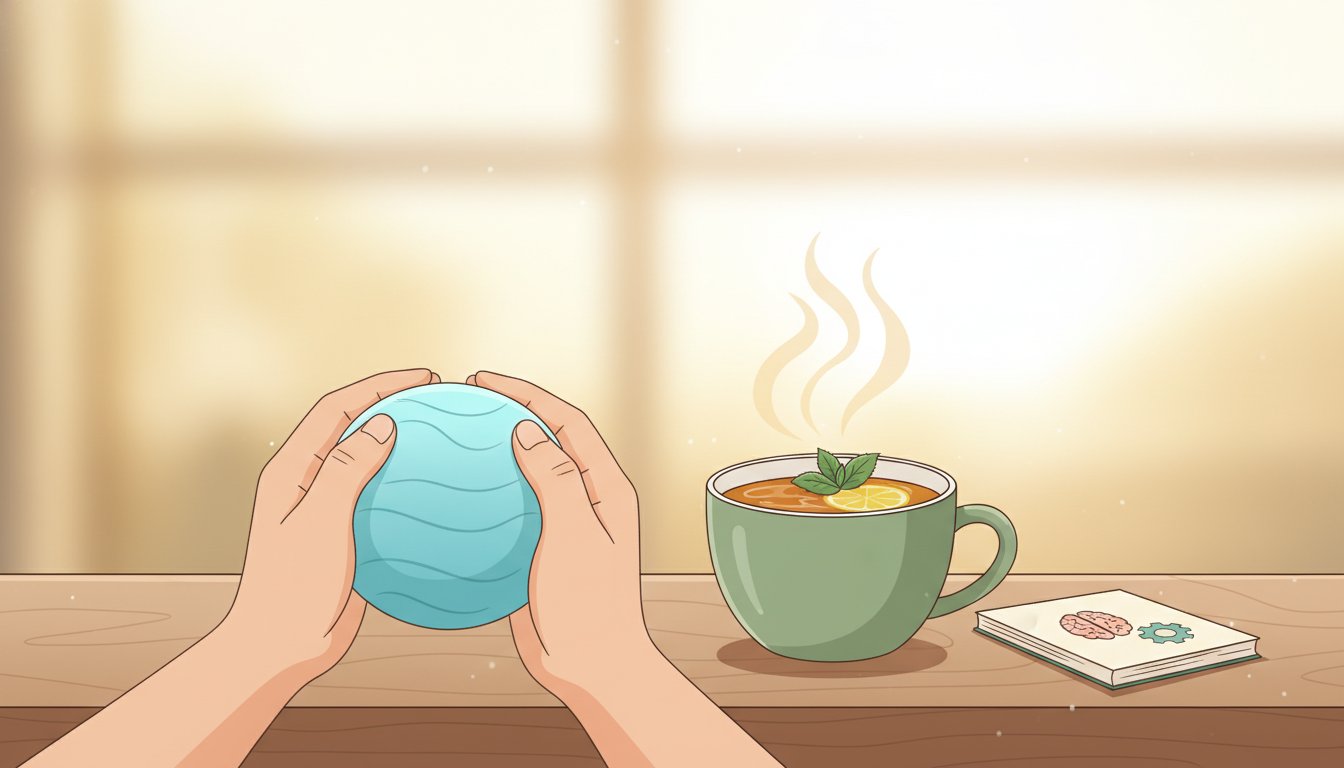
- Applying a deeply hydrating hand cream. The greasy texture and strong scent will immediately snap you out of autopilot if your hand moves toward your face.
The Regrowth Timeline: What Happens After You Quit
To keep your motivation high, it helps to know exactly what is happening to your hands behind the scenes. Your body is incredibly resilient, and the healing process begins much faster than you think.
Days 1 to 3: The Healing Phase
The raw, painful skin around your cuticles begins to close up. The throbbing sensation in your fingertips fades. Your body redirects blood flow to your fingertips to repair the damaged tissue.
Days 7 to 10: The White Edge Appears
By the end of week one, you will likely see a thin white line at the tips of your nails. This is the free edge of your nail growing out. It might feel scratchy, which can be a massive trigger. Keep a nail file nearby at all times to smooth out any rough edges before your teeth do.
Days 14 to 21: The Nail Bed Recovers
Your nail beds begin to lengthen and heal. Because the skin underneath is no longer constantly exposed to air and saliva, it can finally tighten and bond back to the nail plate. Your nails will start to look like "normal" nails again.
Day 30 and Beyond: A New Identity
Your nails have grown significantly. They look clean, healthy, and presentable. While the psychological urge might pop up occasionally during stressful moments, the physical habit loop is mostly broken.
Practical Strategies to Protect Your Streak
Knowing the theory is great, but execution is what keeps your streak alive. Here are three practical rules to protect your progress:
1. The Pocket File Rule
Autopilot biting almost always starts with a trigger snag. You feel a rough edge, you try to smooth it out with your teeth, and suddenly you have chewed off the entire nail. To prevent this, place a nail file in your pocket, one in your car, and one at your desk. If you feel a snag, file it down immediately.
2. The Sensory Barrier
Use a bitter tasting polish. It acts as an alarm system. Because biting is automatic, the bitter taste shocks you back into consciousness before you can do any damage.
3. Visual Tracking
Keep your progress front and center. Seeing your streak grow every day can be incredibly motivating. When you can physically see the number of days you have stayed strong, the urge to bite has to fight against your pride in your progress.
How to Handle a Slip-Up: The One-Nail Rule
But there is a catch. What happens if you stress-bite one nail on day 12?
Many people fall victim to the "What the Hell Effect." They think, Well, I ruined my streak on my thumb, so I might as well bite the rest of them and start over tomorrow.
Do not do this. A slip-up on one nail is a minor bump, not a total failure. If you bite one nail, file it down, moisturize your hands, and keep your tracker going. You do not have to throw away 12 days of healing because of one weak minute. Be kind to yourself, learn from the trigger, and keep moving forward.
Key Takeaways
- Make the invisible visible: Use a "days since" tracking method to bring conscious awareness to an unconscious habit.
- Use competing responses: Replace the urge to bite with an incompatible physical action like clenching your fists or applying hand cream.
- Learn the timeline: Focus on the physical milestones of regrowth, from skin healing in the first three days to nail bed recovery by week three.
- Prepare for snags: Keep nail files everywhere to eliminate the physical triggers that cause autopilot biting.
- Forgive the slip-ups: If you bite one nail, protect the other nine and keep your momentum going.
Seeing your streak grow every day can be motivating. By tracking your progress, you turn a daily struggle into a visible victory, one single day at a time.
Build Better Habits — Track Your Streaks
Set goals, build streaks, and transform your life one habit at a time.