
- Published on
90-Day Career Pivot: Using Countdown Timers for Success
The idea of leaving a stable career for something entirely new is often met with two emotions: excitement and paralyzing fear. You’ve probably spent months—maybe years—feeling like you are in the wrong seat at the table. You know you need a change, but the sheer scale of a career pivot makes it feel like an impossible mountain to climb. The secret isn't a miraculous surge of motivation; it is breaking the transition down into a manageable, time-bound countdown.
When you treat your career change like a project with a clear deadline, you shift your mindset from "I wish I could leave" to "I am preparing to move." A 90-day window is the perfect timeframe. It is long enough to learn new skills and network, but short enough to keep your focus sharp and your urgency high.
Why a 90-Day Countdown Works for Career Pivots
Human psychology thrives on constraints. Parkinson’s Law suggests that work expands to fill the time available for its completion. If you tell yourself you will "eventually" pivot, you will likely spend months browsing job boards without taking concrete action. By setting a hard date 90 days out, you force your brain to prioritize.
A countdown tool allows you to visualize the passing of time, turning an abstract goal into a daily reality. When you look at your screen and see that you have 75 days left, the task of updating your portfolio or reaching out to a mentor stops being an optional chore. It becomes a necessary step toward your deadline. This constant, visual reminder helps maintain consistency, which is the most critical factor in any major life transition.
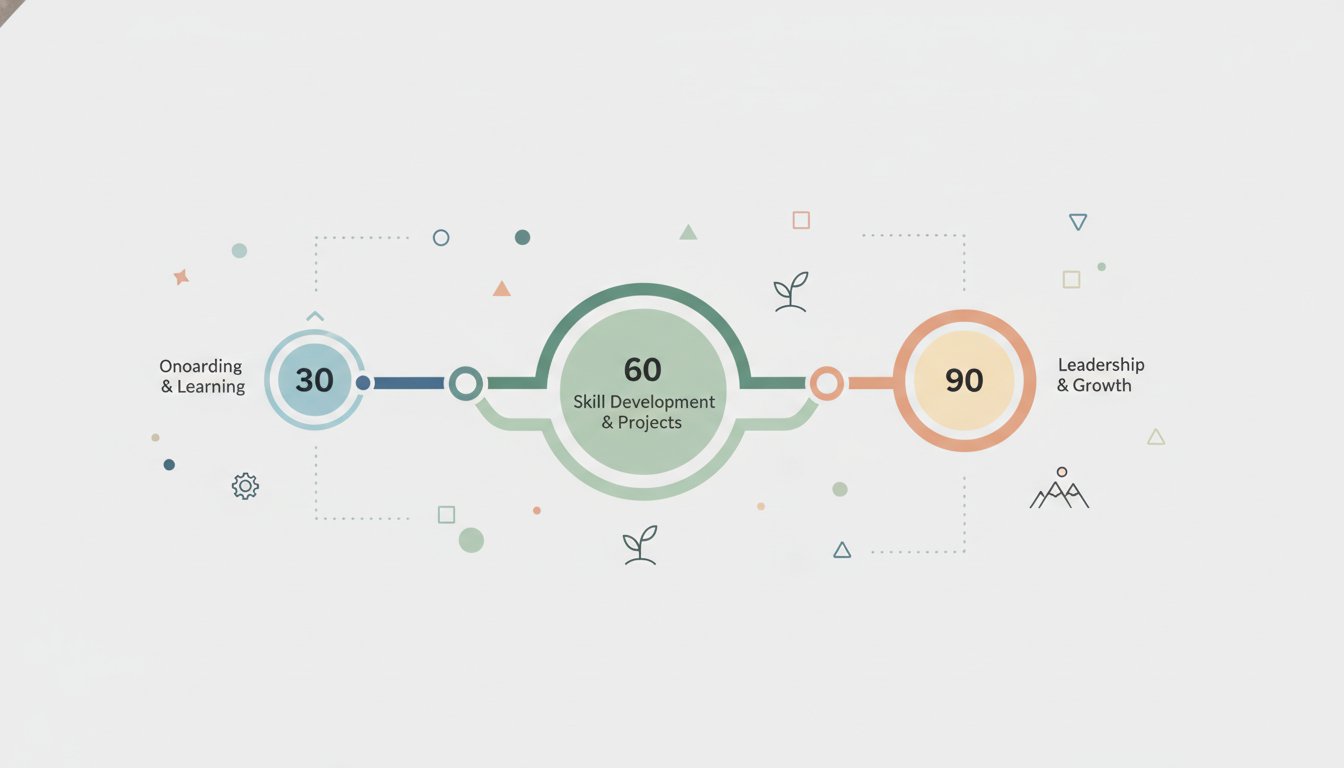
The 90-Day Roadmap: Breaking Down the Pivot
To make this transition successful, you need to divide your 90 days into three distinct phases. Each phase requires a different level of focus and specific, actionable goals.
Phase 1: Days 90 to 61 – The Audit and Foundation
The first month is about clarity. Many people jump straight into applying for jobs, only to find they lack the right narrative or skills. Use these first 30 days to conduct a self-audit. What skills from your current role are transferable? What are the gaps in your knowledge?
This is the time to start small. If you are moving into a new industry, start by consuming content—podcasts, whitepapers, or introductory courses—that help you speak the language of that field. Use your countdown to track how many hours you dedicate to this foundational learning. Seeing your progress documented over the first month builds the confidence needed for the more difficult work ahead.
Phase 2: Days 60 to 31 – Skill Sharpening and Networking
Now that you have identified your path, it is time to sharpen your tools. Identify one or two certifications or projects that will make you a viable candidate in your new field. If you are pivoting into tech, build a project. If you are moving into marketing, start a blog or offer pro-bono consulting to a friend’s small business.
Simultaneously, start networking. This is often the most intimidating step, but it is necessary. Don't look for "jobs"; look for conversations. Reach out to three people in your desired field each week. Ask for 15 minutes of their time to learn about their journey. Tracking these interactions as part of your 90-day goal can provide a massive sense of accomplishment as you approach the final stretch.

Phase 3: Days 30 to 1 – The Final Push
The final month is about execution. Your resume should be tailored, your portfolio polished, and your interview stories practiced. This is the time to leverage the momentum you have built. If you have been tracking your daily habit of networking and skill-building, you will likely find that you are more disciplined than you were 60 days ago.
During these last 30 days, treat your job hunt like a professional engagement. Use your countdown to keep yourself accountable. If you notice the number of days shrinking faster than your progress, use that as a prompt to increase your output. This isn't about stress; it's about focus. By the time you reach Day 1, you won't feel like you are jumping into the unknown—you will feel like you have earned your seat at the new table.
Tips for Staying Consistent During Your Pivot
The biggest obstacle to a successful career pivot is burnout. It is easy to start strong and lose steam by the second month. To stay on track, focus on "micro-wins." If you only have 30 minutes in the evening, use that time to send one email or read one article.
Keep your goals visual. When you see your streak of daily progress, it becomes harder to justify skipping a day. Tracking your journey through a countdown app or a simple visual calendar helps you see that you are actually moving forward, even on the days when it feels like nothing is happening.
If you find yourself feeling overwhelmed by the change, remember that this is a process of identity transformation. You are moving from who you were to who you want to be. If you are struggling with the emotional weight of this transition, please reach out to a professional or a trusted person in your life to talk through your feelings. You don’t have to do this entirely on your own.
Key Takeaways
- Define your deadline: A 90-day countdown creates the urgency needed to move from dreaming to doing.
- Segment your goals: Use the first 30 days for audits, the middle 30 for skills and networking, and the final 30 for execution.
- Focus on consistency: Small, daily actions—like sending one outreach email—build more momentum than occasional, massive bursts of effort.
- Visualize progress: Seeing a countdown or a streak of effort makes your goal tangible and helps you stay accountable to your future self.
A career pivot is one of the most rewarding challenges you can undertake. By breaking the process into clear, tracked milestones, you make success not just a hope, but a plan. Start your countdown today, and let the numbers drive your transformation.
Build Better Habits — Track Your Streaks
Set goals, build streaks, and transform your life one habit at a time.