
- Published on
30 Days Without Social Media: Reclaim Your Attention
You wake up, reach for your phone, and before your feet even touch the floor, you are scrolling. Five minutes turn into twenty. By the time you start your day, your brain has already been flooded with hundreds of fragmented images, opinions, and notifications. You feel scattered, yet you haven’t done anything productive.
If this cycle feels familiar, you aren’t alone. Many of us feel like our attention has been hijacked. We want to be present, but the pull of the feed is constant. What if you could step back for just one month? Taking a 30-day break from social media isn't just about deleting an app; it is a systematic reset for your cognitive function and your ability to focus on what actually matters.
The Neurology of the Infinite Scroll
To understand why a 30-day break is so effective, we have to look at the brain’s reward system. Every time you refresh your feed, you are essentially pulling the lever on a slot machine. Social media platforms are engineered to trigger the release of dopamine—the brain's chemical messenger for motivation and reward. Because the content is unpredictable, your brain stays in a state of high-alert, constantly seeking the "next" hit of novelty.
Over time, this habit creates a reinforced neural pathway. Your brain becomes conditioned to expect rapid-fire stimulation. When you try to do something that requires sustained attention, like reading a book or working on a complex project, your brain feels "bored" because it isn't receiving that constant dopamine spike. You aren't losing your focus because you lack discipline; you are losing it because your brain has been physically conditioned to crave distraction.

Phase 1: The Withdrawal (Days 1–7)
The first week is often the most uncomfortable. You will experience what psychologists call "phantom vibration syndrome," where you reach for your phone out of habit even when it isn't buzzing. You might feel a strange sense of isolation or anxiety. This is your brain protesting the loss of its primary source of external stimulation.
During this phase, the goal isn't productivity; it is simply awareness. Notice how often you reach for your screen during idle moments—while waiting for coffee, sitting on the train, or standing in line. Use this time to observe the impulse without acting on it. Many people find that tracking their progress during these first seven days makes the struggle feel like an intentional challenge rather than a loss. Seeing the number of days you’ve successfully navigated without the apps can transform your mindset from "missing out" to "leveling up."
Phase 2: The Fog Lifts (Days 8–20)
Around the second week, something interesting happens. The constant background noise in your head begins to quiet down. You might notice that you are sleeping better or that your anxiety levels are more manageable. This is because your nervous system is finally exiting the state of chronic overstimulation.
This is the perfect time to replace your old habit with something meaningful. Instead of scrolling, pick up a book, go for a walk without headphones, or write in a journal. You will find that your attention span begins to lengthen. Tasks that used to feel like a chore now seem more manageable because your brain isn't constantly oscillating between different tabs of information. You aren't just "not scrolling"—you are actively building a new capacity for deep work.
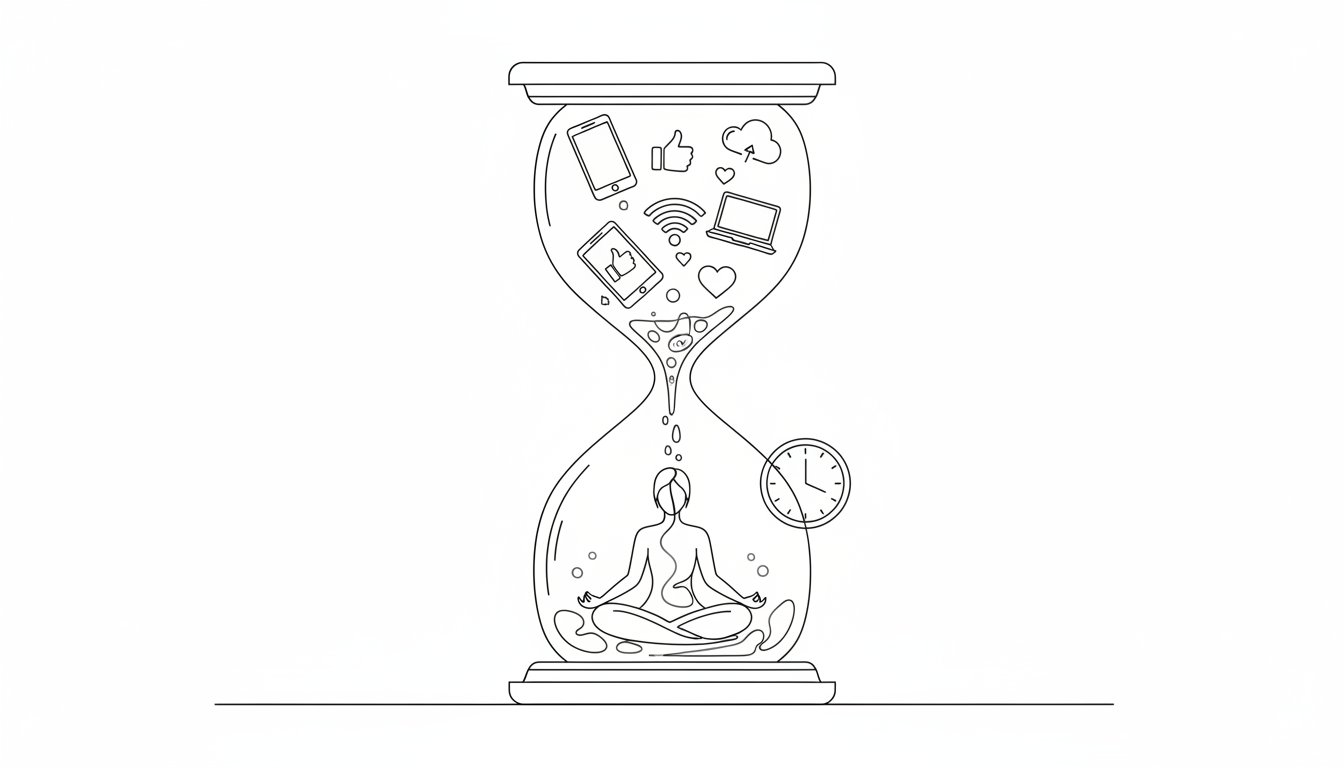
Phase 3: The New Normal (Days 21–30)
By the time you reach the final stretch, you have likely reclaimed a significant amount of mental bandwidth. You are no longer reacting to the world; you are choosing how to engage with it. You might notice that your memory is sharper and your creativity has returned. When you aren't consuming everyone else's highlight reels, you have space to listen to your own thoughts.
At this point, you’ve proven to yourself that you are not dependent on these platforms. If you choose to return, you will do so with a completely different set of boundaries. You have gained a new perspective on what is worth your time and what is merely noise. Many people find that after 30 days, they don't even want to return to their old habits. They prefer the clarity and the presence they’ve discovered in the real world.
How to Make It Stick
The key to a successful 30-day reset is preparation. Don't just delete the apps and hope for the best. Define what you will do instead. If you find yourself with an extra hour in the evening, have a plan—whether it's painting, exercising, or learning a new skill.
Additionally, consider using a simple tracking method. When you can see your progress visually, it becomes much harder to justify breaking your streak. Whether it's a physical calendar where you cross off the days or a digital tracker, having a record of your commitment helps you stay consistent on the days when motivation is low. Remember, if you are struggling with deeper issues of dependency or feel overwhelmed, please reach out to a professional or a trusted person in your life.
Key Takeaways
- Understand the science: Your brain is wired to seek stimulation; social media exploits this to keep you scrolling. A reset isn't just a break—it's a physical rewiring of your focus.
- Embrace the discomfort: The first week will feel difficult, but it is a sign that your brain is adjusting. Use this time to observe your habits rather than judging them.
- Replace, don't just subtract: You need to fill the void left by social media with meaningful activities, or you will eventually drift back to your old habits.
- Track your progress: Using a streak-based tracker makes your journey tangible. Seeing your progress day-by-day can provide the motivation needed to reach that 30-day milestone.
- Reclaim your attention: Once the fog lifts, you will realize that your focus is a finite resource. Guard it carefully, and you will find yourself more present and productive in every other area of your life.
Build Better Habits — Track Your Streaks
Set goals, build streaks, and transform your life one habit at a time.